When to go to Réunion?
→ The detailed month-by-month page, with real weather records
Best time: May to November (southern winter)
At a glance
Why go to Réunion?
Réunion packs superlative nature into a pocket handkerchief of the Indian Ocean. This French island holds a place apart, with one of the most active volcanoes in the world, dizzying UNESCO-listed cirques and primary forests. You hike through scenery that changes radically from one valley to the next. It is a true life-sized playground for lovers of the great outdoors.
Mixed heritage is the island's soul, with Creole, Indian, African, Chinese and European cultures living side by side in harmony. That diversity shows in the Tamil temples, the mosques, the churches and above all in a wildly rich Creole cuisine. Festivals and flavours bear witness to a warm, colourful way of life. You quickly fall under the spell of this unique identity.
Travelling to Réunion means going far without leaving France, with the euro, the safety and the infrastructure of the mainland. You can go from the sandy beaches of the west to the summit of the Piton des Neiges in a single day. The Cirque de Mafate, reachable only on foot, offers rare immersion far from everything. It is an ideal destination for combining a total change of scene with the comfort of French territory.
Map of Réunion: what is where?
The map shows the 6 places covered in this guide, to picture the distances and plan your route.
- Piton de la Fournaise
- Cirque de Mafate
- Cirque de Cilaos
- Piton des Neiges
- Saint-Denis
- Cirque de Salazie
How much does a trip to Réunion cost?
As French territory, Réunion has prices close to those of mainland France, sometimes a little higher for imported goods. Nature activities, on the other hand, are often free.
| Style | Per day | What it covers |
|---|---|---|
| Backpacker | €50-70/day | Gîtes, camping and food from Creole snack bars |
| Comfort | €100-150/day | Guesthouses, a hire car and good restaurants |
| Premium | €220+/day | Beach hotels, helicopter flights and fine dining |
The currency is the euro, and bank cards are accepted everywhere, as in mainland France.
Is Réunion safe?
As a French département, Réunion offers the same level of safety and public services as mainland France. The main dangers are natural: hikes call for caution, good preparation and a check of the weather, as the terrain is rugged and conditions change fast. Sea swimming should be done in supervised areas protected by nets, because of the shark risk on some beaches. Ravines can become dangerous during heavy rain. Follow these guidelines and your stay will be entirely peaceful.
What to see and do in Réunion
- the Piton de la Fournaise
- the Cirque de Mafate
- the Hermitage lagoon
- the waterfalls of Salazie
- the island tour on foot
Piton de la Fournaise 2 602 m

One of the most active volcanoes on the planet, the Piton de la Fournaise fascinates with its regular eruptions and lunar landscape. The hike across the Martian-looking Plaine des Sables leads all the way to the Dolomieu crater. During eruptions, the spectacle of lava flows draws spellbound crowds. The climb calls for an early start but remains within reach of walkers. It is the island's most powerful natural symbol.
Cirque de Mafate
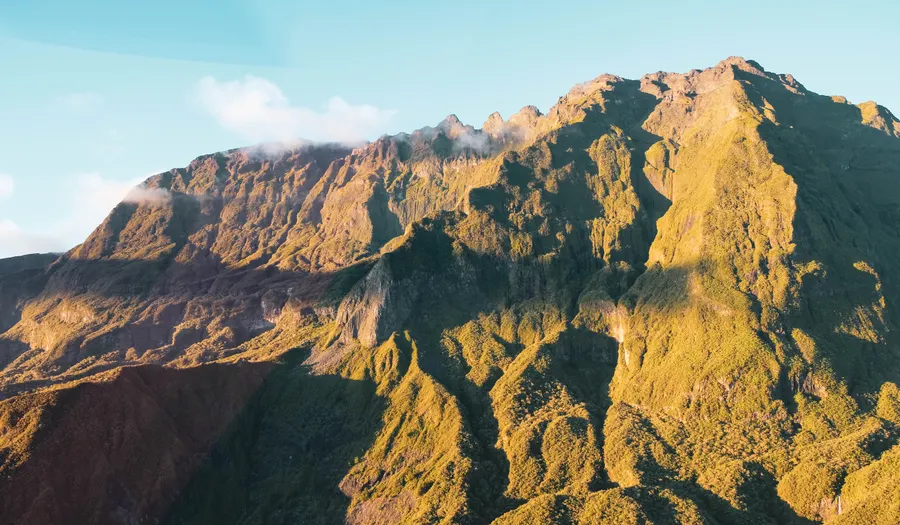
A wild enclave reachable only on foot or by helicopter, Mafate is a cirque outside time. Its isolated hamlets, the îlets, live to the rhythm of nature, with no roads and no cars. Steep trails link perched villages offering breathtaking panoramas. Spending a night in a gîte under a starry sky of rare clarity is an unforgettable experience. It is the absolute paradise of hikers in search of authenticity.
Cirque de Cilaos
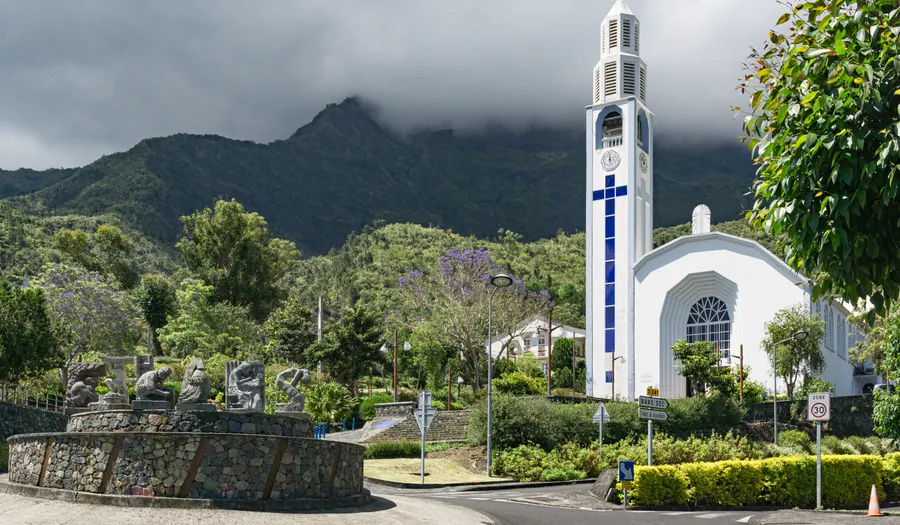
Nestled at the foot of the Piton des Neiges, the Cirque de Cilaos is reached by a legendary road with 400 bends. The village is famed for its hot springs, its wine, its lentils and its embroidery craft. The landscapes of sheer ramparts and jagged peaks are grandiose. It is also the starting point for the climb to the island's highest summit. The mountain air is both invigorating and soothing.
Piton des Neiges 2 933 m

Rising to 3070 metres, the Piton des Neiges is the roof of the Indian Ocean and the highest summit in the Mascarenes. The ascent, often begun at night from a high-altitude gîte, leads to an unforgettable sunrise. From the top, the view takes in all three cirques and sometimes Mauritius in the distance. The climb passes through landscapes that shift from forest to bare rock. It is the ultimate hiking challenge on Réunion.
Saint-Denis

The island's capital, Saint-Denis reveals a rich Creole heritage through its colourful cases and colonial mansions. Rue de Paris is lined with handsome buildings and lush gardens, witnesses to past prosperity. The market and the multicultural temples reflect Réunion's mixed heritage. The seafront, the Barachois, is the favourite strolling spot of the Dionysiens. It is a lively gateway to the island's culture.
Cirque de Salazie and its waterfalls

The greenest and wettest of the three cirques, Salazie streams with spectacular waterfalls. The famous Voile de la Mariée unfurls its many cascades down a verdant cliff face. The charming village of Hell-Bourg, ranked among the most beautiful villages in France, preserves superb Creole cases. The area is the cradle of chou chou, the emblematic vegetable of local cooking. The lushness of the vegetation is simply enchanting.
How many days, and which itinerary?
Allow 10 to 14 days to explore the three cirques, climb the volcano and savour the west coast.
🗺️ Day-by-day itinerary · 📓 Free printable Réunion guide (PDF)
Discovering the island (8 days)
The west coast and its beaches, a climb up the Piton de la Fournaise and an immersion in the Cirque de Cilaos. A good balance of nature, volcano and relaxation for a first visit.
The three cirques (12 days)
A circuit devoted to the jewels of the interior: Cilaos, Salazie and its waterfalls, then several days of trekking in the Cirque de Mafate. An itinerary tailor-made for passionate hikers.
The grand tour of Réunion (14 days)
The full tour of the island, combining the volcano, the three cirques, the ascent of the Piton des Neiges and a visit to Saint-Denis. You see every face of Réunion, from summit to sea.
Getting there and getting around
A hire car is almost essential for exploring the island freely and reaching trailheads.
The Car Jaune bus network links the main coastal towns at moderate prices, but barely serves the interior.
For Mafate, you need to lace up your hiking boots or opt for a helicopter flight.
Taxis exist but remain expensive, so it is best to plan your journeys in advance.
Where to stay in Réunion?
Mountain gîtes in the cirques and along the trails, around €40-55 per person for a night on half board.
Warm Creole guesthouses all over the island, allow €50-80 for a local immersion.
Beach hotels on the west coast at Saint-Gilles or Boucan Canot, from €90 to €160 a night.
Upmarket establishments and lodges with a view, from €180 for an exceptional interlude.
Our places to stay, stop by stop, at three budgets →
What to eat in Réunion?
Cari, the emblematic Creole dish, comes with chicken, fish or duck, simmered with saffron and spices.
Rougail saucisse, fired up with chilli and tomato, is a must on any Réunion table.
Bouchons and samoussas, inherited from Chinese and Indian cultures, are nibbled at any hour.
Rhum arrangé, steeped with fruit and spices, rounds off meals and is the island's pride.
Entry requirements
Réunion is part of France and the EU but outside the Schengen area: EU citizens need only an ID card, and UK, US, Canadian and Australian passports get 90 days visa-free.
Rules change: check your own government's travel advice before you go.
Frequently asked questions about Réunion
When is the best time to go?
The southern winter, from May to November, is the ideal season, with dry, mild weather perfect for hiking. The southern summer, from December to April, is hotter, more humid and exposed to the risk of cyclones. The summits can be cool all year round.
What daily budget should I plan for?
Allow around €60 a day as a backpacker, €130 for a comfortable stay and more than €220 at the upper end. Prices are close to those of mainland France, but the nature is enjoyed for free.
How do you get around the island?
A hire car is strongly recommended for reaching the trails and the different cirques freely. The Car Jaune bus network serves the coast but barely the mountainous interior. Mafate can only be reached on foot or by helicopter.
Do you need to be a strong hiker to visit?
Many major sites can be reached by car, but the cirques and the volcano have to be earned on foot. There are trails for every level, from family strolls to demanding treks. Good physical fitness greatly enriches your experience of the island.
Similar destinations
 City
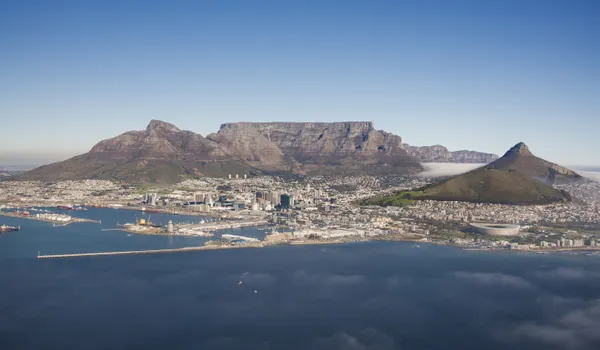
City🇿🇦 Cape Town
 Country
🇹🇿 Tanzania
 Region
🇪🇬 The Egyptian Red Sea
 Region
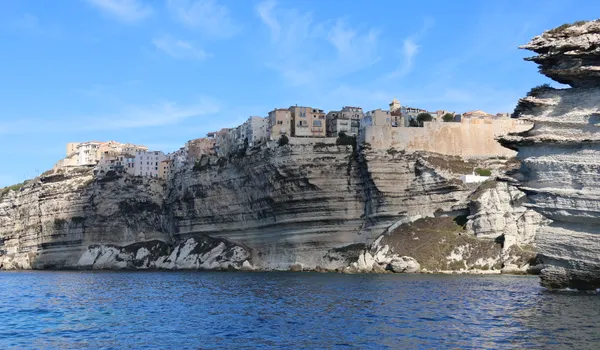
🇫🇷 Corsica
 Region
🇫🇷 The French Basque Country
 Region
🇪🇸 The Canary Islands
 Region
🇮🇹 Sardinia
 Region
🇵🇹 Madeira
 Region
🇬🇷 Crete
 Country