When to go to Tunisia?
→ The detailed month-by-month page, with real weather records
Best time: April to June and September to October
At a glance
Why go to Tunisia?
Tunisia packs the very best of North Africa into a pocket-sized country: some of the most complete Roman ruins in the world, UNESCO-listed medinas, Mediterranean beaches and a genuine Saharan desert. In a few hours' drive you go from the mosaics of Carthage to the dunes of Douz. Few countries offer such a density of sites per square kilometre.
The country remains one of the most accessible gateways to the Arab world. French is widely spoken, the welcome is warm, and value for money is still among the best in the Mediterranean. You eat generous food, sleep for next to nothing, and never feel you are paying over the odds.
Tunisia lends itself as well to lazy beach days as to cultural road trips. Djerba and Hammamet win over families, while Kairouan, El Jem and Tozeur feed those curious about history and landscapes. This dual personality makes it an easy destination to combine and perfect for a first trip outside Europe.
Map of Tunisia: what is where?
The map shows the 6 places covered in this guide, to picture the distances and plan your route.
- Tunis
- Sidi Bou Said
- Carthage
- El Jem
- Kairouan
- Douz
How much does a trip to Tunisia cost?
Tunisia remains one of the cheapest Mediterranean destinations. The cost of living there is very low.
| Style | Per day | What it covers |
|---|---|---|
| Backpacker | €30-45/day | Hostel, louages, street food and archaeological sites. |
| Comfort | €60-90/day | Guesthouse, hire car, restaurants and excursions. |
| Premium | €120+/day | Boutique hotel or resort, private guide and luxury camp. |
The Tunisian dinar cannot be exchanged abroad: withdraw cash locally from ATMs, which are widespread in towns.
Is Tunisia safe?
Tunisia is generally safe for travellers, especially along the coast and in the main tourist cities. Caution is still needed in the border areas of the south-east and south-west, which your government's travel advice warns against. No vaccinations are compulsory; tap water is rarely drunk, bottled water is preferred. Pickpockets operate in crowded souks: keep your belongings close.
What to see and do in Tunisia
- the ancient site of Carthage
- the Tunis medina
- Sidi Bou Said
- the oases of the south
- the beaches of Djerba
Tunis and Sidi Bou Said

The capital blends a UNESCO-listed medina with a modern city inherited from the protectorate. Lose yourself in the covered souks, step inside the Great Zitouna Mosque and savour a pine-nut tea on a terrace. Twenty minutes away, the village of Sidi Bou Said spreads its white and blue lanes above the sea. The late-afternoon light there is a spectacle in itself.
Carthage archaeological site

Once Rome's great rival, Carthage now stretches across scattered sites on the shores of the Gulf of Tunis. The Antonine Baths, the Punic ports and Byrsa Hill tell a thousand years of Mediterranean history. The national museum helps you piece together the might of this city, razed and then rebuilt. The sea view from the ruins gives the place its full scale.
El Jem Amphitheatre
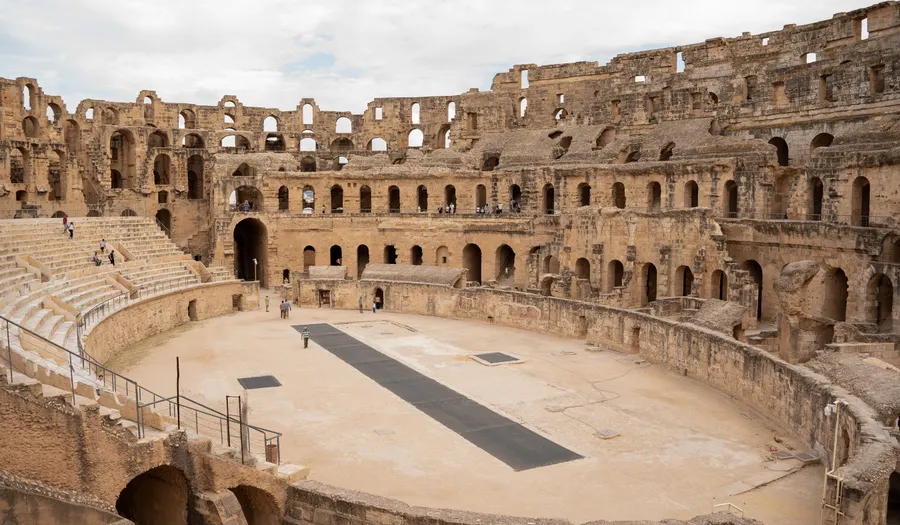
This colossus looms without warning in the middle of a small town on the plain. The third-largest Roman amphitheatre in the world, it could hold thirty-five thousand spectators. You climb the tiers and descend into the underground galleries where the fights were prepared. Its exceptional state of preservation makes it one of the most impressive ancient monuments in North Africa.
Kairouan

The fourth holiest city in Islam, Kairouan is home to the Great Mosque, one of the oldest in the Muslim world. Its immense courtyard and forest of ancient columns command silence. The medina, less touristy than that of Tunis, unfolds to the rhythm of carpet workshops. Don't leave without tasting makrouds, the semolina and date cakes born here.
Djerba

The island in southern Tunisia lives at its own pace, among beaches, olive trees and white villages. Houmt Souk concentrates the markets and fondouks, while the El Ghriba synagogue bears witness to a long Jewish presence. You can cycle around the island and visit the potters' workshops of Guellala. The mild climate almost all year round makes it an off-season refuge.
The Sahara, Tozeur and Douz
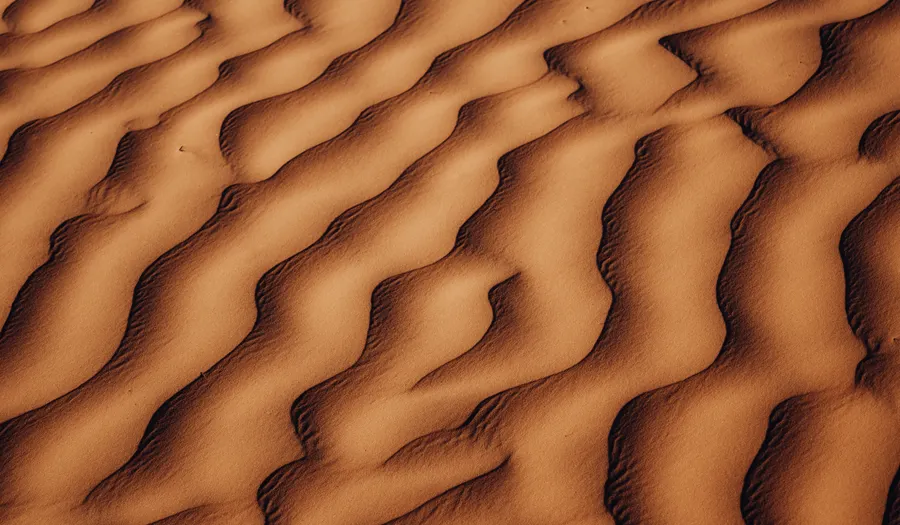
The deep south opens the gates of the Sahara at the end of a road that crosses Chott el-Djerid, a vast salt lake. Tozeur and its oasis, and Nefta and its palm groves, serve as bases for trips into the dunes. From Douz you set off by dromedary or 4x4 towards the desert camps. A sunrise over the dunes of the Grand Erg Oriental alone justifies the detour.
How many days, and which itinerary?
Allow eight to ten days to combine the cultural north, Kairouan, El Jem and a Saharan escape without rushing.
🗺️ Day-by-day itinerary · 📓 Free printable Tunisia guide (PDF)
Essential north (5 days)
Tunis, Sidi Bou Said and Carthage over two days, then Kairouan and El Jem. Finish with a day of medina and souks before heading home. An ideal format for a first taste.
Grand tour north and south (10 days)
After the Tunis-Carthage-Kairouan triangle, head for El Jem, Tozeur and the oases. Two nights in the desert around Douz, then some downtime on Djerba before travelling back north. The most complete itinerary in the country.
Culture and desert (7 days)
Two days in the capital, a day at El Jem, then straight down to Tozeur and Chott el-Djerid. The last days are devoted to the Sahara and its oases. A brisk pace but very rewarding.
Getting there and getting around
The louage, a fixed-fare shared taxi, efficiently links every town for a few dinars.
Hiring a car remains the most flexible way to explore the south and isolated sites.
The train serves the coastal line from Tunis to Sousse and Sfax, handy and cheap.
In town, yellow taxis are affordable; insist on the meter or agree the fare before getting in.
Where to stay in Tunisia?
Hostels and guesthouses in the medina: €15-30 a night, often with breakfast.
Boutique hotels in the restored dars of Tunis and Kairouan: €40-80.
All-inclusive beach resorts in Hammamet and Djerba: €60-120 depending on the season.
Saharan camps around Douz: €30-70 a night under canvas, dinner included.
Our places to stay, stop by stop, at three budgets →
What to eat in Tunisia?
Couscous, the national dish, made with fish on Djerba or with lamb inland.
Brik with egg, a crisp fried pastry sheet, the essential starter.
Harissa, the chilli paste that goes with almost everything, to be dosed according to your courage.
Deglet Nour dates from the south and honey pastries such as the makrouds of Kairouan.
Entry requirements
Visa-free for 90 days with a passport for EU, UK, US, Canadian and Australian citizens. Some countries advise six months of passport validity on arrival.
Rules change: check your own government's travel advice before you go.
Frequently asked questions about Tunisia
When is the best time to visit?
Spring, from April to June, and autumn, from September to October, offer ideal temperatures. Summer is scorching in the Saharan south, while winter stays mild on the coast.
What daily budget should I plan for?
Allow around €40 a day travelling simply and €80-90 for a comfortable stay. Tunisia is one of the most affordable destinations in the Mediterranean.
How do I get around between towns?
Louages, fixed-fare shared taxis, are the most common and cheapest option. For the south and isolated sites, a hire car gives you more freedom.
Are there any health precautions to take?
No vaccinations are compulsory. Drink bottled water, protect yourself from the sun in the south and pack a basic kit for stomach upsets.
Similar destinations
 Country
🇲🇦 Morocco
 City
City🇲🇦 Essaouira
 Country
🇪🇬 Egypt
 Country
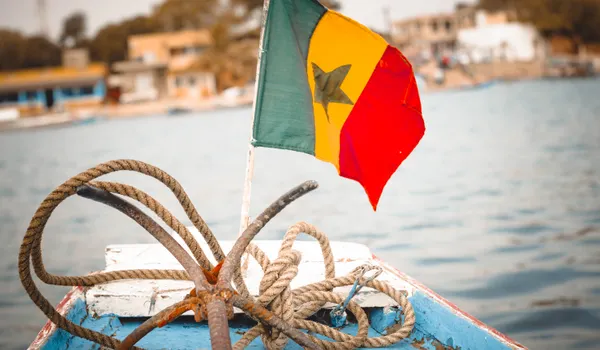
🇸🇳 Senegal
 City
City🇪🇬 Cairo
 Country
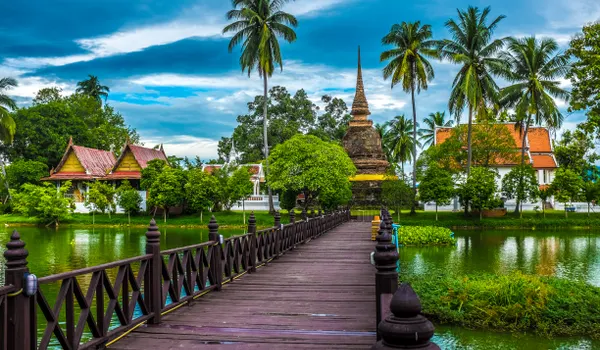
🇹🇭 Thailand
 Country
🇲🇽 Mexico
 Region
🇧🇷 Northeast Brazil
 Country
🇹🇷 Turkey
 City
City