When to go to Ella?
→ The detailed month-by-month page, with real weather records
Best time: January to March and July to September
At a glance
Why go to Ella?
Ella owes its fame to a train. The hill country line, begun in 1867 to carry tea down to the port of Colombo, reached Badulla in 1924 after decades of earthworks through the mountains. The stretch from Kandy to Ella, seven hours through the plantations, has become one of the most sought-after rail journeys in Asia. The Nine Arches Bridge, built in 1921 from stone and cement without a single steel girder, is its most photographed symbol.
The village itself fits on a single street, but the terrain around it is spectacular. Ella Gap, a breach in the central range, plunges a thousand metres in one go towards the southern plain: on a clear day you can make out the Indian Ocean from the ridges. Little Adam's Peak takes thirty minutes to climb, Ella Rock three hours, and both offer the same thing from a different angle, a tea-covered plateau that stops dead above the void.
Uva produces a tea of its own. The dry wind that blows from July to September stresses the tea bushes and gives the leaves a menthol aroma that British trading houses have sought out for more than a century. The region's factories can be visited while they are working, from withering to sorting, and you quickly understand why picking is still done entirely by hand. The Tamil families who do it are descended from workers brought over from South India in the 19th century.
Map of Ella: what is where?
The map shows the 6 places covered in this guide, to picture the distances and plan your route.
- Ella
- Nine Arches Bridge
- Little Adam's Peak
- Ella Rock
- Diyaluma Falls
- Lipton's Seat
How much does a trip to Ella cost?
Ella is among the cheapest stops in the country: the hikes and the bridge are free, a meal costs €2-3 and a decent room around €30. The only real expenses are the tuk-tuks to Diyaluma and Lipton's Seat, and the train ticket, to be booked a month ahead.
| Style | Per day | What it covers |
|---|---|---|
| Backpacker | €20-35/day | Hostel in the village, every hike on foot, local canteens, shared tuk-tuk |
| Comfort | €60-100/day | Guesthouse with a view, tuk-tuk for the day, tea factory, restaurants on the main street |
| Premium | €220+/day | Plantation bungalow, car with driver, hiking guide, private transfers from the coast |
There are only a few ATMs in the village and they break down regularly: withdraw cash in Kandy or Badulla before you arrive. Cards work in hotels and some restaurants, but tuk-tuks, canteens and site entrances are paid in cash. Each withdrawal carries a fixed fee of 400 to 600 rupees, which encourages taking out large sums in one go.
Is Ella safe?
Ella is a quiet village and petty crime is rare. The real risks come from the mountains and the railway. Walking on the tracks has become a local habit, including on the Nine Arches Bridge, but trains come round the bends without a sound and there have been several serious accidents: stay on the side paths and never cross the deck. The Ella Rock trail is unmarked and forks several times, and touts deliberately point people the wrong way so they can then be paid as guides: download the track for offline use before you set off. At the waterfalls, the polished rock turns slippery and the water level can rise within minutes after a downpour upstream, which has already swept bathers away. Finally, dengue circulates in the region and leeches appear on damp trails during the monsoon, harmless but unpleasant.
What to see and do in Ella
- Nine Arches Bridge
- Little Adam's Peak
- Ella Rock
- Ravana Falls
- Demodara Loop
- Halpewatte Tea Factory
- Diyaluma Falls
- Lipton's Seat
Nine Arches Bridge

Ninety-one metres long, twenty-four high, nine arches of stone and cement without a gram of steel, completed in 1921 on the Badulla line. The viaduct spans a small valley planted with tea and banana trees, with forest climbing up on both sides. Six to ten trains cross it every day, at low speed, which leaves plenty of time to watch them come in. Two paths lead there from Ella, one along the railway line in twenty minutes, the other along a dirt track that comes out below.
Little Adam's Peak and Ella Rock

Two summits that frame the village and look out over Ella Gap. Little Adam's Peak, 1,141 metres, takes thirty minutes to climb along a concrete path then a staircase through the tea bushes, with three successive humps along the ridge. Ella Rock, opposite, takes two and a half to three hours there and back, on an unmarked route that first follows the rails before climbing steeply through the eucalyptus. Both are best done at daybreak, before the mist rises from the plain.
The hill country train

The Kandy-Ella-Badulla line crosses the central mountains in a succession of tunnels, viaducts and tight bends, with carriage doors that stay open while the train is moving. Seven hours from Kandy, two and a half from Nuwara Eliya. Reserved first- and second-class tickets go on sale thirty days ahead and sell out within hours; unreserved third class can still be bought on the day. The Demodara Loop, where the line passes beneath itself, comes just after Ella.
The tea plantations of Uva

Uva Province produces a high-grown tea with a menthol character, owed to the dry wind of the south-west monsoon that blows from July to September. The Halpewatte and Dambatenne factories can be visited while working, from withering on racks to sorting by grade. Picking is still done by hand: two leaves and a bud, around twenty kilos per person per day. The Tamil families who do it are descended from workers recruited in South India from the 1830s onwards.
Ravana and Diyaluma Falls

Ravana drops 25 metres beside the Wellawaya road, 6 km from Ella, with a flow that changes completely with the season. Diyaluma, forty kilometres to the south, reaches 220 metres and ranks second in the country. Its upper section is reached by a steep one-hour trail and opens onto natural pools carved into the rock, the last of which stops at the edge of the drop, facing the Uva plain. The polished rock becomes very slippery as soon as it gets wet.
Lipton's Seat and Haputale

Some thirty kilometres to the west, Haputale clings to a narrow ridge from which the land falls away on both sides. Seven kilometres of road climb from the Dambatenne factory to Lipton's Seat, at 1,970 metres, the promontory from which Thomas Lipton surveyed his plantations at the end of the 19th century. On a clear day the view takes in five provinces and reaches down to the south coast. Mist settles almost every day around 9am, which means setting off before dawn.
How many days, and which itinerary?
Two full days are enough for the Nine Arches Bridge, Little Adam's Peak and a tea factory. Three to four days let you add Ella Rock, the Diyaluma pools and a sunrise at Lipton's Seat, with the leeway you need when mist or rain wipes out a morning's walk.
🗺️ Day-by-day itinerary · 📓 Free printable Ella guide (PDF) · 🌍 All of Sri Lanka
A hill country stopover (2 days)
Day 1: arrive on the train from Kandy or Nuwara Eliya in the early afternoon, walk to the Nine Arches Bridge to catch a train going over, then dinner on the main street. Day 2: Little Adam's Peak at sunrise, Halpewatte tea factory mid-morning, Ravana Falls on the way down to Wellawaya in the afternoon. It's the most common format between the Cultural Triangle and the south coast.
Ella and Uva (4 days)
The same base, plus Ella Rock early in the morning with a GPS track downloaded for offline use, a full day at the upper pools of Diyaluma by tuk-tuk, and a sunrise at Lipton's Seat from Haputale, which means leaving around 5am. Keep half a day for the Demodara rail loop and for wandering among the plantations on foot, with no particular goal. The mist often forces you to shuffle the plan.
Sri Lanka from the centre to the south (2 weeks)
Colombo on arrival, then Dambulla and Sigiriya for two nights, Kandy for three, before the mountain train to Nuwara Eliya and then Ella for three nights. Then down to the south coast via Wellawaya and Yala National Park for a leopard safari, followed by Mirissa, Galle and a week on the beach. This circuit is done by train in the mountains and by car with a driver for the rest, which costs €40-60 a day.
Getting there and getting around
The train is still the best way in: seven hours from Kandy, two hours thirty from Nuwara Eliya, forty minutes from Badulla. Reserved tickets go on sale thirty days before travel and sell fast for the morning trains; third class is bought on the day.
By road, allow five hours from Colombo and two hours from Nuwara Eliya, on narrow hairpins where buses overtake blind. A driver for the day costs €25-40, the simplest way to reach the south coast.
Locally, everything is done on foot or by tuk-tuk. A ride within the village costs 200 to 400 rupees, and a full day out to Diyaluma or Lipton's Seat is negotiated at around 5,000 to 8,000 rupees. The PickMe app gives a reference fare.
Scooters rent for 2,000 to 3,000 rupees a day, but the Passara road is narrow, poorly lit and often wet in the afternoon. An international driving permit is required, along with a temporary local permit issued in Colombo.
Where to stay in Ella?
Hostels on the main street: €8-18 a night in a dorm or small room, with a shared kitchen and shared tuk-tuks organised to Diyaluma. The atmosphere is young and the noise goes on late, which matters when the alarm is set for 5am.
Guesthouses clinging to the hillsides, ten to twenty minutes' walk from the centre: €20-40, family-run, with a breakfast of hoppers and views over Ella Gap. The climb is steep, so take a tuk-tuk with your luggage.
Mid-range hotels on the ridges around the village: €55-95, with a panoramic terrace and sometimes a pool. They are often a few kilometres out, which leaves you reliant on a vehicle for evening meals.
Lodges and plantation bungalows on the surrounding tea estates: €150-300, in restored former planters' houses or contemporary buildings facing the valley. They are booked several months ahead from January to March.
Our places to stay, stop by stop, at three budgets →
What to eat in Ella?
Rice and curry comes with six to eight side dishes, among them dhal, green jackfruit, cassava leaves and coconut sambol pounded with chilli. Allow 500 to 1,000 rupees in the village canteens, or €2-3.50, often all you can eat.
Kottu roti, flatbread chopped with a spatula on a cast-iron griddle with vegetables and egg, is made in the evening amid a distinctive metallic clatter. A portion costs 600 to 1,000 rupees and is so generous it is hard to finish alone.
Hoppers, bowl-shaped pancakes cooked in a small deep pan, are the standard breakfast, plain or with an egg cracked into the middle. String hoppers, nests of steamed rice vermicelli, are eaten with a coconut curry and sambol.
Uva tea is drunk here at the source and bought at the factories or the market, in BOP and OP grades, for a fraction of the price of airport gift boxes. The cafés on the main street also serve fresh fruit juices and lassis at 400 or 600 rupees.
Entry requirements
An ETA is required and must be applied for online before you travel, with a passport, for EU, UK, US, Canadian and Australian citizens.
Rules change: check your own government's travel advice before you go.
Frequently asked questions about Ella
How do you book the Kandy-Ella train?
Reserved seats in first and second class go on sale thirty days before departure and sell out within hours for the morning trains. Booking is done online on the railway portal or through a local agency. Failing that, unreserved third class is sold on the day at the ticket office, with no guaranteed seat but with the doors open.
How many days should you spend in Ella?
Two nights cover the Nine Arches Bridge, Little Adam's Peak and a tea factory. Three to four nights become worthwhile to add Ella Rock, the Diyaluma pools and Lipton's Seat, all three of which require setting off before sunrise. Leave some leeway, as mist and afternoon showers regularly cancel an outing.
Can you walk on the Nine Arches Bridge?
People often do, but it's dangerous: trains come round a bend, with no visibility and no warning sound, and serious accidents happen there. Stay on the side paths and the viewing platforms below, from where the view of the passing train is better anyway. Approximate timetables are posted in the cafés along the approach path.
Do you need a guide for Ella Rock?
Not necessarily, but the trail is unmarked and forks several times. Download the track on an offline app before you set off and be wary of people met along the way who point you in the wrong direction before offering their services. A reliable guide can be booked through your accommodation, for 2,000 to 3,000 rupees per outing.
When is the best time to visit?
From January to March, the driest period in Uva, then from July to September, when the dry south-west wind gives the tea its menthol character. The north-east monsoon soaks the region from October to January, with muddy trails and almost constant mist. Even in the dry season, mornings are clear and afternoons often overcast.
Similar destinations
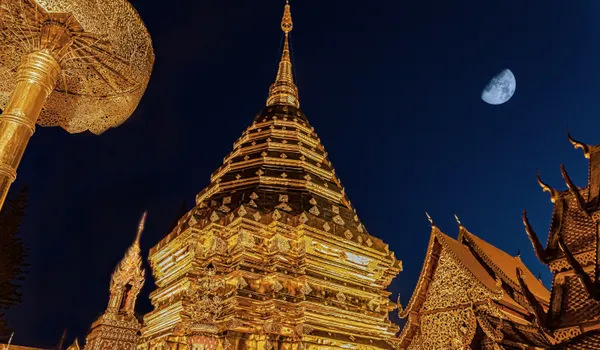 City
City🇹🇭 Chiang Mai
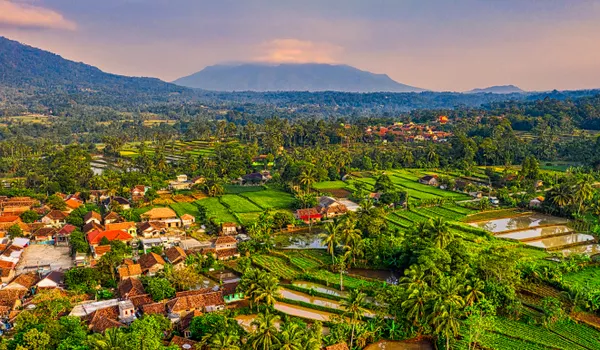 Country
🇮🇩 Indonesia
 Country
🇱🇦 Laos
 City
City🇮🇩 Lombok
 Region
🇫🇷 Auvergne
 Country
🇻🇳 Vietnam
 Country
🇳🇵 Nepal
 Region
🇮🇳 Kerala
 Country
🇮🇳 Kerala
 Country