When to go to Cartagena?
→ The detailed month-by-month page, with real weather records
Best time: January to March and July
At a glance
Why go to Cartagena?
Cartagena is the best-preserved colonial city in South America, and it owes that to eleven kilometres of walls built over two centuries to protect the gold bound for Spain. Inside, the grid of narrow streets, wooden balconies spilling over with bougainvillea and squares shaded by ceiba trees has been a UNESCO World Heritage Site since 1984. This is no lifeless stage set: the Centro and San Diego districts are still lived in, with schools, corner shops and games of dominoes on the pavement.
Getsemaní, just on the other side of the Puerta del Reloj, tells the other story. Once the quarter of artisans and freed slaves, it narrowly escaped demolition, covered itself in murals and bunting, and now has the hostels, the salsa bars and the busiest street life in the city. From 6pm the Plaza de la Trinidad becomes a communal living room, with impromptu football matches, arepa sellers and champeta concerts.
The third movement is maritime, and it is also the most disappointing if you get it wrong. The city's own beaches are grey and lined with tower blocks; the real turquoise water is an hour away by boat, in the Rosario Islands archipelago or on the Barú peninsula. How good the day is depends entirely on the boat you pick and the island you aim for, somewhere between the mass tour with three photo stops and a relaxed day on a single island with mask and snorkel.
Map of Cartagena: what is where?
The map shows the 6 places covered in this guide, to picture the distances and plan your route.
- Torre del Reloj
- Plaza de la Trinidad, Getsemaní
- Castillo San Felipe de Barajas
- Cerro de la Popa
- Bocagrande
- Rosario Islands
How much does a trip to Cartagena cost?
Cartagena is the most expensive city in Colombia, with a huge gap between prices in Centro and in the rest of the city. The same plate of fish goes from €8 to 25 depending on whether you are inside the walled city or three streets away from the ramparts.
| Style | Per day | What it covers |
|---|---|---|
| Backpacker | €40-70/day | Hostel in Getsemaní, arepas and menús del día, getting around on foot, free ramparts and beaches |
| Comfort | €110-180/day | Colonial hotel or apartment, evening restaurants, a day on the Rosario Islands, taxis and Uber |
| Premium | €350+/day | Boutique hotel in Centro, private boat to the islands, fine dining, private guide |
Cards are accepted everywhere in Centro and Bocagrande, but keep cash for taxis, Getsemaní, the markets and the islands. Never let anyone take your card out of sight, and use cash machines inside banks.
Is Cartagena safe?
Cartagena is not the dangerous city its national reputation might suggest, but it is not without its rules either. The historic centre, San Diego, Getsemaní and Bocagrande are patrolled and easy to get around by day and in the evening; beyond them, especially towards Bazurto or the slopes of the Cerro de la Popa, take a taxi rather than walk. The real risks are phone snatching, notably by thieves on motorbikes along the main roads, and staged scams: fake police officers asking to check your wallet, oysters or fruit offered and then charged for, taxis that triple the fare. The issue nobody mentions is the constant sales pressure from vendors, masseuses, bar touts and boat touts, particularly heavy on the ramparts and at Playa Blanca: a firm no while you keep walking is enough, and engaging in conversation never works. Finally, be wary of drinks accepted from strangers in bars; cases of scopolamine are documented and mainly target solo travellers late at night.
What to see and do in Cartagena
- Walled old town
- Getsemaní and the Plaza de la Trinidad
- Castillo San Felipe de Barajas
- Rosario Islands
- Sunset on the ramparts
- Cerro de la Popa
- Bazurto market
- Playa Blanca on Barú
The walled city, Centro and San Diego

The historic heart is best explored on foot and without a map, between the cathedral, the Plaza de Santo Domingo and its terraces, and the more intimate Plaza San Diego in the evening. The ochre, yellow and blue façades with wooden balconies are a direct legacy of Andalusia, adapted to the climate with patios and shaded courtyards. The free Museo del Oro Zenú displays pre-Columbian goldwork in an air-conditioned colonial house, which also makes it the best break of the day. Las Bóvedas, former casemates turned into shops, mark the northern end of the ramparts. Visit before 10am or after 5pm; in between, the heat makes wandering a chore.
Getsemaní

The neighbourhood that has changed most in ten years and is still the liveliest. People come for the Calle de la Sierpe and its hanging umbrellas, the murals of Calle San Juan and the atmosphere of the Plaza de la Trinidad at the end of the day. This is where you will find the hostels, the affordable places to eat and salsa bars such as Café Havana. Gentrification is real and fast, with rents pushing out long-established families, a subject locals are happy to talk about. The neighbourhood stays safe at night within its tourist area, less so beyond Calle del Arsenal.
Castillo San Felipe de Barajas
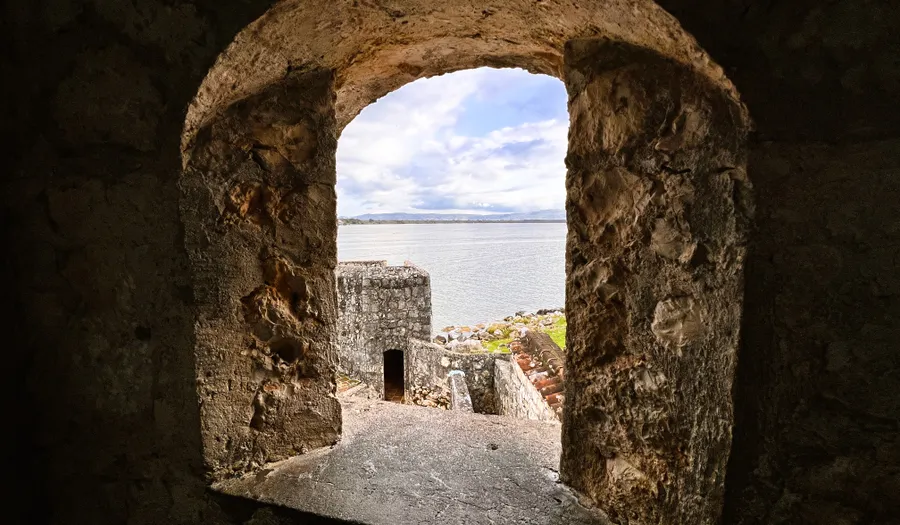
The largest Spanish fortress in the Americas looms over the city from San Lázaro hill. Begun in 1639 and later massively enlarged, it withstood the British siege of 1741, one of the Royal Navy's greatest military failures. You walk its ramps and gun batteries and, above all, a network of narrow underground tunnels designed to amplify the footsteps of the enemy. There is no shade on the ramparts: come at opening time, 8am, or late in the afternoon. Allow an hour and a half, two with the audio guide.
The Rosario Islands and Barú

The Corales del Rosario archipelago, about 1 hour away by boat, is a marine national park of 27 islands with genuine coral reefs. The classic tour with three stops and lunch is still very commercial, with lots of time spent on the boat and little in the water. The formula that works better: book a day on a single island, with a direct transfer and mask and snorkel included, or even a night there to have the beach to yourself at sunrise. Playa Blanca, on the Barú peninsula, can also be reached by road and is often packed and swarming with vendors. Add the port tax and the nature park entry fee, rarely included in the advertised price.
The ramparts at sunset

The circuit of the walls is free, always open and the finest walk in the city. The north-west stretch, from the Baluarte de Santo Domingo to the Baluarte de Santa Catalina, faces the sun as it sinks into the sea around 6pm. Café del Mar, set on the bastion, charges a fortune for an average cocktail in the best spot; simply sitting on the wall thirty metres further along gives you the same view. Sellers of ice-cold beer and green mango with salt work their way along the parapet in the late afternoon. It is also when the light does the old town's façades the most justice.
Bazurto and the Cerro de la Popa

To escape the colonial backdrop, two addresses. Bazurto market is the belly of Cartagena: mud, shouting, fish, meat, unfamiliar fruit and street kitchens, spread over several hectares and making no concessions whatsoever to tourists. Go in the morning, travelling light, ideally with a local guide or as part of a food tour. The Cerro de la Popa, a 150-metre hill crowned by a 17th-century convent, offers the only panoramic view of the city, the bay and Bocagrande. Go up by taxi, return trip with waiting time, as the neighbourhoods on the slopes are not ones to cross on foot.
How many days, and which itinerary?
Three full days cover the old town, Getsemaní, San Felipe and a day at sea; five days let you add Barú, Palenque or La Boquilla without spending your afternoons rushing around in 33°C.
🗺️ Day-by-day itinerary · 📓 Free printable Cartagena guide (PDF) · 🌍 All of Colombia
The essentials (3 days)
One day for the walled city and the ramparts at sunset, one day split between Castillo San Felipe in the morning and Getsemaní in the evening, and one full day at sea out to the Rosario Islands. The most common format, as long as you fit outdoor visits in before 10am.
City and sea (5 days)
The same core, plus a night on one of the Rosario Islands or on Barú to see the beach without the day-trippers, and a morning at Bazurto market or in San Basilio de Palenque, the first village of freed slaves in the Americas. The pace that gives you room to breathe.
Cartagena and the coast (8-10 days)
Three days in Cartagena, then up the coast to Santa Marta, Tayrona National Park and Palomino by bus or domestic flight. The most logical combination for a first trip to Colombia's Caribbean coast.
Getting there and getting around
The whole historic centre and Getsemaní can be done on foot: less than 2 km from one end to the other, but bring water and seek out shade.
Taxis have no meters, so agree the fare before you get in: expect €3 to 5 for a ride in town, €5 to 7 from the airport, 15 minutes from the centre.
Uber and InDrive both work and spare you the haggling, often at half the prices quoted to tourists.
For Santa Marta and Tayrona, direct buses take 4 to 5 hours and cost €12 to 20; a domestic flight costs barely more if you book early.
Where to stay in Cartagena?
Boutique hotel in a colonial house in Centro or San Diego: €120 to 400 a night, with a patio, a rooftop pool and an unbeatable location.
Hostel or small hotel in Getsemaní: €20 to 90, the best atmosphere in the city and direct access to the nightlife, but noisy nights.
Apartment or high-rise hotel in Bocagrande: €60 to 150, air conditioning and sea views, but a dull concrete district 20 minutes from the centre.
A night on one of the Rosario Islands or on Barú: €80 to 250, often without air conditioning or round-the-clock electricity, but with an empty beach when you wake up.
Our places to stay, stop by stop, at three budgets →
What to eat in Cartagena?
The arepa de huevo, a fried corn patty stuffed with egg, is eaten standing up for €1 to 2 and makes a filling breakfast.
Cazuela de mariscos, ceviche de camarón and whole fried fish with patacones and coconut rice: €8 to 20 depending on the neighbourhood, much cheaper outside Centro.
Limonada de coco is the local answer to the heat, at around €2 to 4, and posta cartagenera, sweet-and-savoury braised beef, is the traditional Sunday dish.
Watch out for the fruit sellers in traditional costume and the oyster vendors on the beaches: agree the price first, or the bill climbs to ten times the real value.
Entry requirements
No visa needed for stays of up to 90 days for EU, UK, US, Canadian and Australian passports, with proof of onward travel. Fill in the free Check-MIG form online between 72 hours and one hour before your flight.
Rules change: check your own government's travel advice before you go.
Frequently asked questions about Cartagena
When is the best time to visit Cartagena?
From December to April, in the dry season, with January to March the best balance between weather and crowds. The last two weeks of December and Semana Santa send prices through the roof, and October is the wettest month.
Is the heat really a problem?
Yes, you need to plan your days around it. It is 32 to 33°C with 80% humidity all year round, with no seasonal variation: sightsee between 7am and 10.30am, retreat to your hotel or an air-conditioned museum in the afternoon, and head out again after 5pm.
Are the Rosario Islands worth it?
Yes, as long as you avoid the mass tour with three stops. Book a day on a single island with a direct transfer and snorkelling included, expect €50 to 90 all in, and check that the port tax and the nature park entry fee are included.
How do you deal with vendors and touts?
A firm no without breaking your stride, and never accept an object, a massage or an oyster held out to you: the gesture counts as a yes and the bill follows. If you do want to buy, agree the price beforehand, out loud, and pay with the exact change.
Should you stay in Centro, Getsemaní or Bocagrande?
Centro for the setting and the calm, Getsemaní for the atmosphere and the prices, Bocagrande only if you want a tower with sea views and air conditioning. The first two let you do everything on foot.
Similar destinations
 Region
🇫🇷 The French Riviera
 City
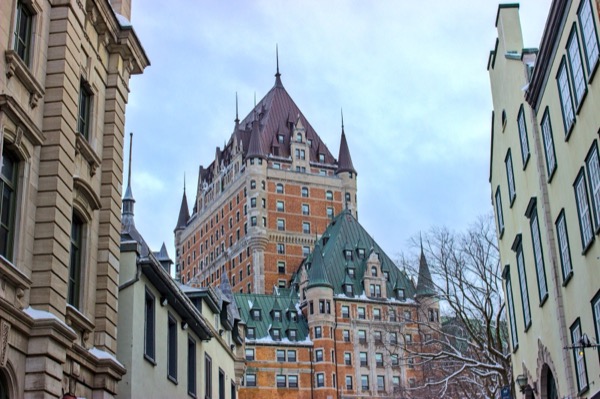
City🇨🇦 Montreal and Quebec City
 Country
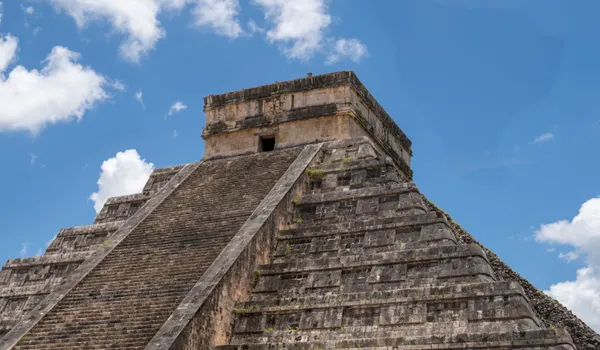
🇲🇽 Mexico
 City
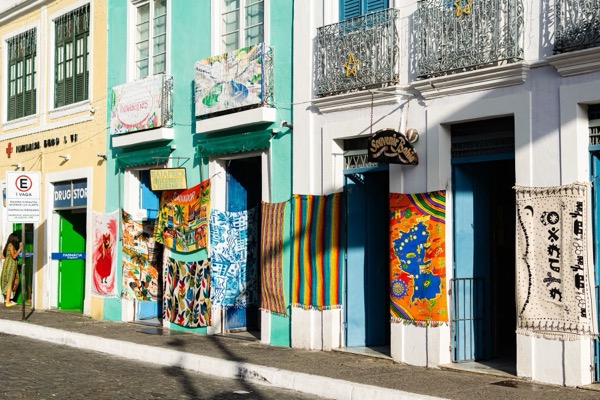
City🇧🇷 Salvador da Bahia
 City
City🇬🇷 Corfu
 City
City🇹🇷 Istanbul
 Region
🇺🇸 Louisiana
 City
City