When to go to Peru?
→ The detailed month-by-month page, with real weather records
Best time: May to September (dry season)
At a glance
Why go to Peru?
Peru first strikes you with its dizzying geography. You go from snow-capped Andean peaks to the desert beaches of the Pacific, then to the green humidity of the Amazon, sometimes in a single day on the bus. This abrupt diversity shapes landscapes unlike any other.
But above all, Peru is the living memory of the Incas. Cusco, the empire's former capital, blends flawless stone walls with colonial façades, and Machu Picchu rises out of the mist like an apparition. Quechua traditions, weaving and the markets of the Sacred Valley carry this heritage into everyday life.
Finally, nobody leaves Peru without having eaten well. Peruvian cuisine, acclaimed the world over, combines Andean produce, Pacific fish and Asian influences. A sharp ceviche on the coast, an ají de gallina in Lima, and you understand why the country has become a food destination in its own right.
Map of Peru: what is where?
The map shows the 6 places covered in this guide, to picture the distances and plan your route.
- Lima
- Cusco
- Machu Picchu
- Lake Titicaca (Puno)
- Arequipa
- Nazca Lines
How much does a trip to Peru cost?
Peru offers excellent value for money. Three profiles to get your bearings.
| Style | Per day | What it covers |
|---|---|---|
| Backpacker | €40-60/day | Hostels, night buses, menús del día and sites visited independently. |
| Comfort | €70-130/day | Charming hotels, domestic flights, the Machu Picchu train and guides. |
| Premium | €180+/day | Exceptional lodges, private transfers, Lima's top-rated restaurants. |
Pay in soles, withdraw from bank ATMs and keep small change for markets and site entrance fees.
Is Peru safe?
Peru is easy to travel around without major problems, provided you respect the altitude. In Cusco or at Titicaca, allow days to acclimatise, drink plenty and take it slowly to ward off altitude sickness. In the big cities, beware of pickpockets and fake taxis, especially at night. Stick to reputable bus companies and official transfers.
What to see and do in Peru
- Machu Picchu
- Cusco
- Lake Titicaca
- the Nazca Lines
- the Colca Canyon
Machu Picchu

The lost city of the Incas reveals itself on its rocky spur surrounded by vertiginous mountains. You reach it by train from Cusco or along the legendary Inca Trail, several days on foot. At dawn, as the mist lifts, the sight takes your breath away. Book your tickets well in advance, as access is strictly limited.
Cusco 3 338 m
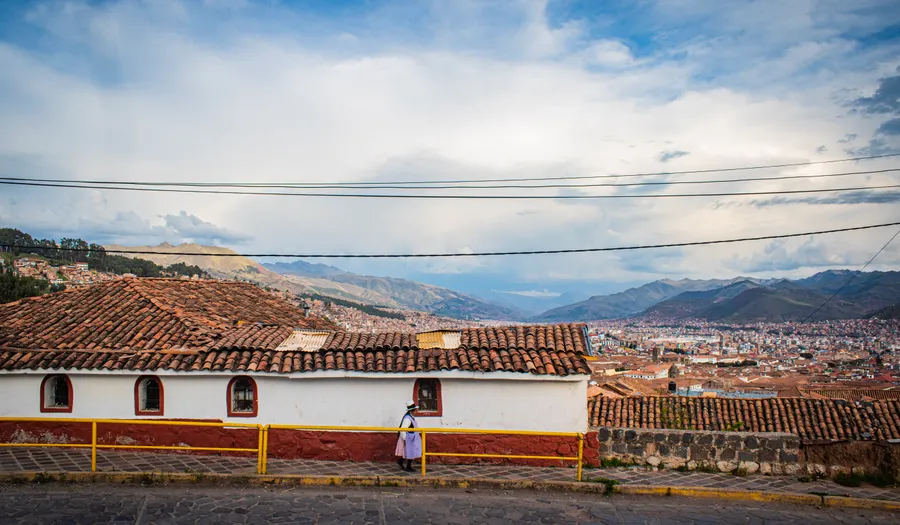
Once the navel of the Inca world, Cusco layers its eras gracefully. Its cobbled lanes climb towards the Plaza de Armas and its baroque churches built on Inca foundations. The San Blas district is packed with craft workshops and hillside cafés. It is the place to take time to acclimatise to the altitude before heading higher.
Lake Titicaca 3 819 m
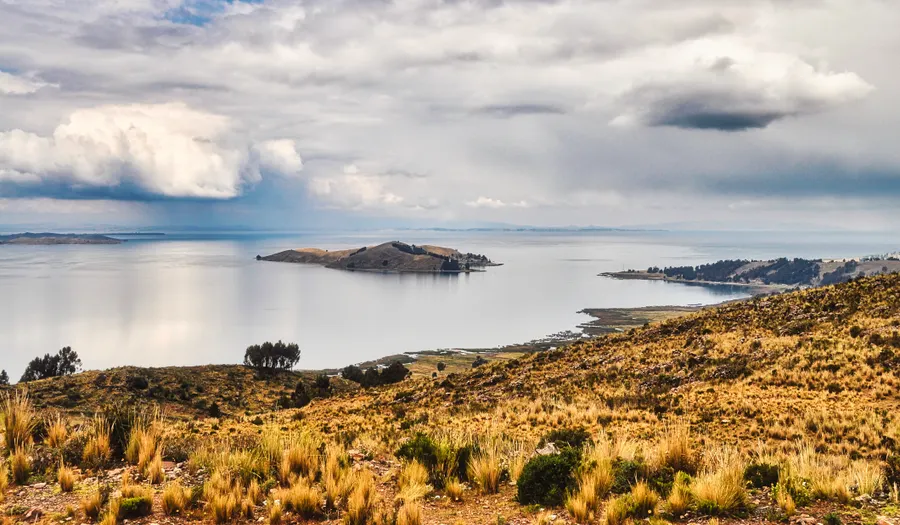
The highest navigable lake in the world, Titicaca spreads its deep blue between Peru and Bolivia. You visit the floating islands of the Uros, woven from reeds, then Taquile, where wool is still spun by hand. A homestay night reveals a timeless way of life. The biting evening cold reminds you that you are at nearly 3,800 metres.
The Nazca Lines
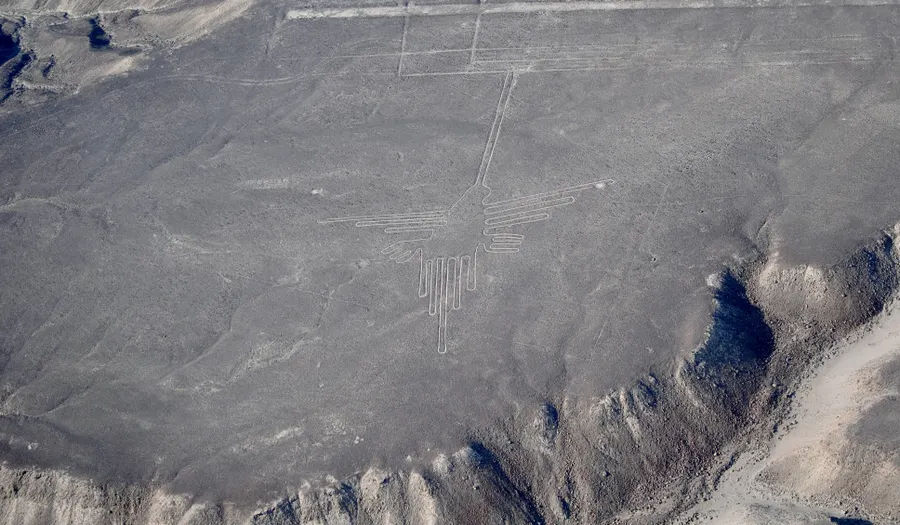
Traced in the desert centuries ago, these huge geoglyphs only reveal themselves from the sky. A flight in a small plane uncovers the hummingbird, the monkey and the spider etched into the earth. The mystery of their purpose still fascinates researchers. The area combines well with the Huacachina oasis and its dunes.
The Colca Canyon

One of the deepest canyons in the world opens up north of Arequipa. At the Cruz del Cóndor, you watch in the morning for the majestic flight of the condors riding the air currents. Pre-Inca farming terraces pattern the slopes. Traditional villages and hot springs punctuate the descent.
Arequipa

The White City owes its name to sillar, the pale volcanic stone used to build its monuments. The Santa Catalina Monastery, a true city within the city, enchants with its colourful lanes. In the background, the Misti volcano watches over the valley. It is also the starting point for the Colca Canyon.
How many days, and which itinerary?
Allow two to three weeks to link Lima, Cusco, the Sacred Valley and the south, building in days to acclimatise to the altitude.
🗺️ Day-by-day itinerary · 📓 Free printable Peru guide (PDF)
Inca classic (12 days)
Lima and its food scene, a flight to Cusco to acclimatise, the Sacred Valley, Machu Picchu, then down to Lake Titicaca. The benchmark itinerary for a first trip.
The great Peruvian south (3 weeks)
Lima, Paracas and the Nazca Lines, Arequipa and the Colca Canyon, Titicaca, then Cusco and Machu Picchu for a grand finale.
Andes and trekking (2 weeks)
Cusco, acclimatisation, the Inca Trail or the Salkantay trek to Machu Picchu, then the Sacred Valley and Pisac market.
Getting there and getting around
Domestic flights link Lima with Cusco or Arequipa and spare you long road journeys.
Upmarket long-distance buses, such as the cama services, criss-cross the country overnight.
The panoramic train runs through the valley to Aguas Calientes, at the foot of Machu Picchu.
Shared colectivos serve the villages and sites of the Sacred Valley cheaply.
Where to stay in Peru?
Hostales and hostels in Cusco for €15 to €30 a night, friendly and well located.
Charming hotels in the historic centre for around €50 to €90, depending on the season.
A homestay night on Titicaca for an authentic, memorable immersion.
Our places to stay, stop by stop, at three budgets →
What to eat in Peru?
Ceviche, raw fish marinated in lime juice with red onion and ají chilli.
Lomo saltado, stir-fried beef with onions and chips, a legacy of Chinese cooking.
Ají de gallina, shredded chicken in a creamy yellow chilli sauce.
Cuy, roast guinea pig, a traditional Andean dish for special occasions.
Entry requirements
Visa-free for 90 days with a passport for EU, UK, US, Canadian and Australian citizens.
Rules change: check your own government's travel advice before you go.
Cities and regions to discover

Frequently asked questions about Peru
How do you cope with altitude sickness?
Acclimatise gradually in Cusco, drink plenty, avoid alcohol and try the local coca tea.
When should you book Machu Picchu?
As early as possible, because the number of tickets is limited each day, especially in high season.
When is the best time to go?
From May to September, the dry season, ideal for treks and visiting the Andean sites.
Can you hike the Inca Trail independently?
No, you must book several months ahead with a licensed agency, and a guide is compulsory.
Similar destinations
 Country
🇦🇷 Argentina
 Country
🇨🇳 China
 Country
🇯🇵 Japan
 Country
🇺🇸 The American West
 City
City🇨🇦 Charlevoix and Tadoussac
 Country
🇨🇴 Colombia
 Country
🇨🇱 Chile
 Country
🇲🇳 Mongolia
 City
City🇨🇱 The Atacama Desert
 City
City