When to go to Cusco and Machu Picchu?
→ The detailed month-by-month page, with real weather records
Best time: May to September (dry season)
At a glance
Why go to Cusco and Machu Picchu?
Cusco and Machu Picchu form the beating heart of the old Inca empire, high in the Peruvian Andes. A former imperial capital, Cusco blends Inca heritage and colonial splendour against a backdrop of mountains. It is the essential starting point for the most famous citadel in South America. A region where history and altitude combine to take your breath away.
Machu Picchu, perched at 2,400 metres above the Urubamba valley, remains one of the most moving sights anywhere. This miraculously preserved Inca sanctuary overlooks a landscape of vertiginous peaks and drifting cloud. All around, the Sacred Valley unfurls its traditional villages, colourful markets and farming terraces. Every stop reveals another side of Andean civilisation.
Beyond the stones, the region moves to the rhythm of Quechua communities, their shimmering textiles and generous cooking. Spectacular landscapes, from Rainbow Mountain to the ruins of Sacsayhuamán, invite hiking and quiet contemplation. It is a trip as cultural as it is physical, where acclimatising to the altitude is part of the adventure.
Map of Cusco and Machu Picchu: what is where?
The map shows the 6 places covered in this guide, to picture the distances and plan your route.
- Machu Picchu
- Plaza de Armas, Cusco
- Sacsayhuamán
- Sacred Valley
- Rainbow Mountain
- Pisac
How much does a trip to Cusco and Machu Picchu cost?
The Cusco region and Machu Picchu remain affordable, but the site entrance, the train and the treks weigh on the budget. Prices rise in high season.
| Style | Per day | What it covers |
|---|---|---|
| Backpacker | €30-55/day | Hostel, colectivos, local meals and walking or group tours. |
| Comfort | €80-150/day | Mid-range hotel, train to Machu Picchu, restaurants and guided excursions. |
| Premium | €300+/day | Boutique hotels, panoramic train, private guides and lodges facing the citadel. |
The Peruvian sol (PEN) is the currency; cards are accepted in Cusco, but keep cash for markets, colectivos and small villages.
Is Cusco and Machu Picchu safe?
The Cusco region is safe for travellers, but altitude remains the main health issue. Give yourself two to three days to acclimatise, stay hydrated and avoid strenuous exertion in the first few days. Watch your belongings in markets and stations, where pickpocketing happens. Stick to official taxis at night and to reputable agencies for treks and excursions.
What to see and do in Cusco and Machu Picchu
- Machu Picchu
- Cusco and its colonial centre
- the Sacred Valley
- the Inca Trail
- Ollantaytambo
Machu Picchu

The most famous Inca citadel in the world, Machu Picchu rises on a ridge between two vertiginous peaks. Built in the 15th century and later abandoned, this UNESCO-listed sanctuary fascinates with the way it melts seamlessly into the landscape. You reach it by train and then bus, or on foot along the Inca Trail. Book your tickets well ahead, as daily access is limited.
Cusco's Plaza de Armas 3 410 m

The historic heart of the former Inca capital, the Plaza de Armas is framed by arcaded galleries and Baroque churches. The cathedral and the Church of the Society of Jesus tower over Inca foundations. This is where you feel Cusco's unique atmosphere, poised between imperial past and Andean daily life. An ideal base for exploring the city and adjusting to the altitude.
Sacsayhuamán 3 580 m
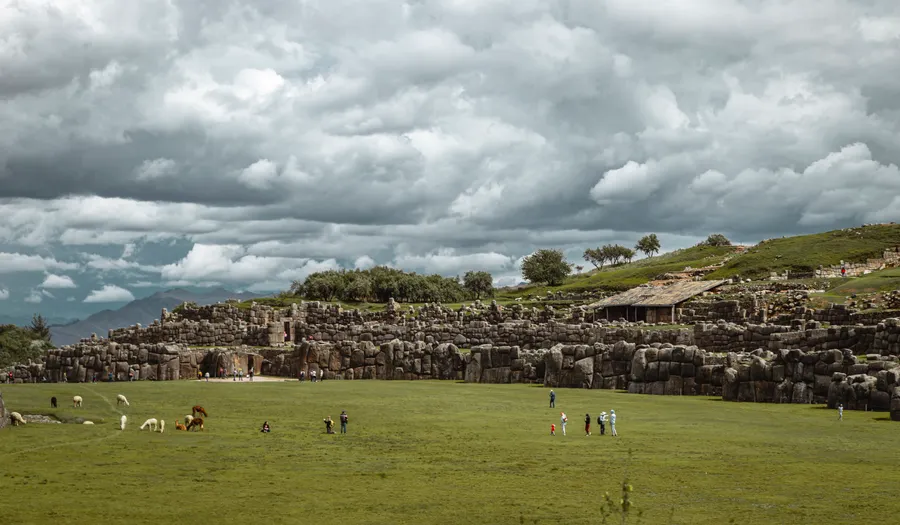
An imposing Inca fortress overlooking Cusco, Sacsayhuamán astonishes with its cyclopean walls of perfectly fitted stone blocks. Some stones weigh several hundred tonnes and were assembled without mortar. The site offers a panoramic view over the city and its red-tiled roofs. A feat of engineering that still puzzles archaeologists.
Sacred Valley 2 846 m

The fertile valley of the Urubamba, the Sacred Valley of the Incas strings together villages, markets and archaeological sites. Ollantaytambo with its monumental terraces and Pisac with its craft market are its jewels. The climate, milder than in Cusco, makes acclimatising easier. Many happily spend two days here before heading on to Machu Picchu.
Rainbow Mountain 4 957 m
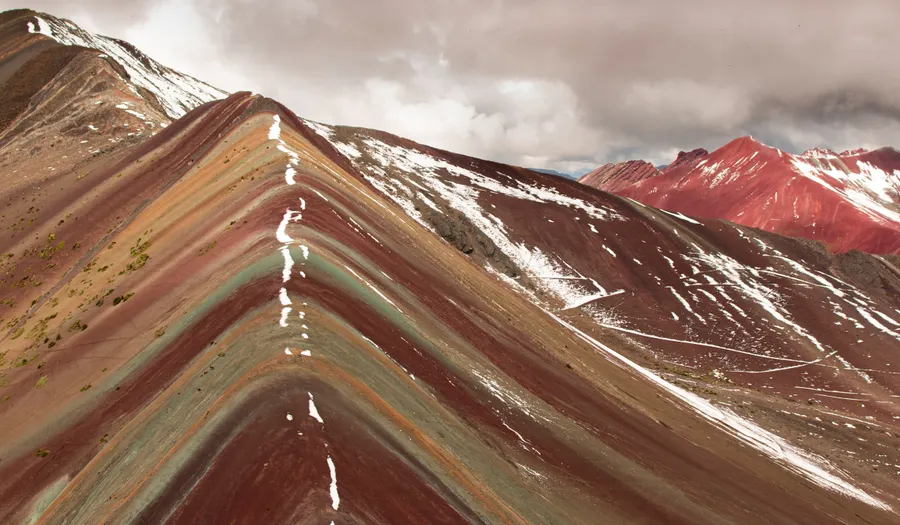
Rainbow Mountain, or Vinicunca, reveals mineral layers in dazzling colours at more than 5,000 metres above sea level. The demanding hike is rewarded with an unreal panorama of reds, ochres and greens. You need to be well acclimatised to cope with the altitude and the effort. Set off early for better light and to avoid the crowds.
Pisac 3 007 m
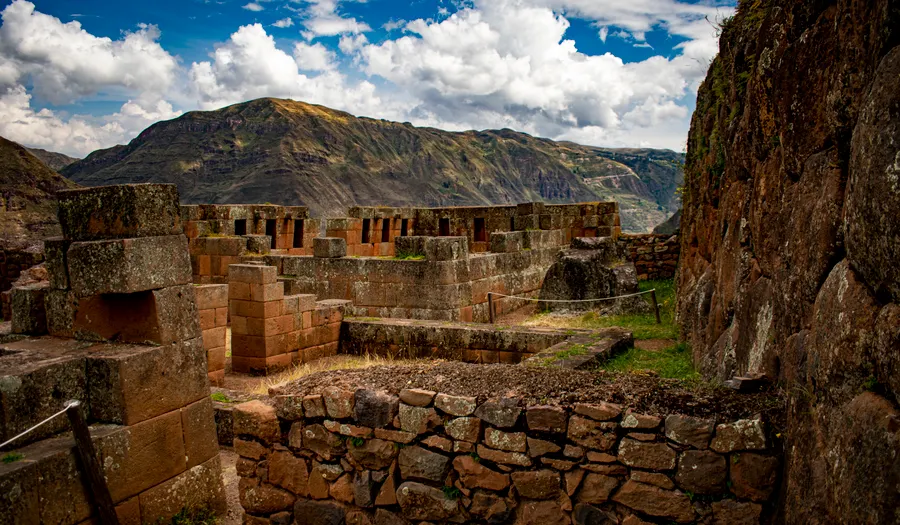
A well-known Andean village in the Sacred Valley, Pisac is famous for its colourful craft market and its hilltop archaeological site. The Inca ruins, with their terraces and cliffside cemetery, dominate the valley. This is the place to buy textiles, pottery and traditional jewellery. A perfect stop for immersing yourself in Quechua culture.
How many days, and which itinerary?
Allow 7 to 10 days for Cusco, the Sacred Valley and Machu Picchu, including time to acclimatise.
🗺️ Day-by-day itinerary · 📓 Free printable Cusco and Machu Picchu guide (PDF) · 🌍 All of Peru
Inca essentials (6 days)
Acclimatise in Cusco, explore the Sacred Valley (Pisac, Ollantaytambo), then spend a day at Machu Picchu. The classic, unmissable route.
The full Andes (9 days)
Add Rainbow Mountain, Moray, the Maras salt pans and more time in the Sacred Valley. A trip richer in landscapes and hikes.
Inca Trail (10 days)
For walkers: the 4-day Inca Trail trek to Machu Picchu, after acclimatising in Cusco. Book your permit several months in advance.
Getting there and getting around
From Cusco, the train (PeruRail, Inca Rail) runs through the valley to Aguas Calientes, at the foot of Machu Picchu.
A bus shuttles between Aguas Calientes and the entrance to the citadel, or you can walk up.
Taxis, colectivos and tourist buses serve the Sacred Valley and the sites around Cusco.
Use domestic flights from Lima to Cusco to save time, then allow a few days to acclimatise.
Where to stay in Cusco and Machu Picchu?
Hostels and hostales in Cusco: around €20 to €45 a night, with plenty of budget choice.
Mid-range hotels in Cusco or the Sacred Valley: €60 to €120 for a double room.
Boutique hotels and lodges in Ollantaytambo or Aguas Calientes: €140 to €250 a night.
Prestige addresses such as the upmarket hotels facing Machu Picchu: €400 a night and up.
Our places to stay, stop by stop, at three budgets →
What to eat in Cusco and Machu Picchu?
Lomo saltado and ají de gallina, signature dishes of Peruvian cooking.
Cuy (guinea pig) and grilled alpaca, Andean specialities to try at least once.
Quinoa and corn soups, comforting at altitude and typical of the region.
Coca tea, traditionally drunk to cope better with the altitude, best enjoyed in Cusco's cafés.
Entry requirements
Visa-free with a passport valid six months, for EU, UK, US, Canadian and Australian citizens: usually 90 days, and up to 183 days in a year at the discretion of the immigration officer.
Rules change: check your own government's travel advice before you go.
Frequently asked questions about Cusco and Machu Picchu
When is the best time to visit Machu Picchu?
The dry season, from May to September, offers the best weather for hikes and visits. Avoid the heavy rains from January to March; the Inca Trail closes in February.
How many days do you need for Cusco and Machu Picchu?
Allow at least 6 days to include acclimatisation, the Sacred Valley and a day at Machu Picchu, and 9 to 10 days for a trek or more landscapes.
What daily budget should you plan for?
Around €30 to €55 a day travelling on a budget, €80 to €150 for a comfortable trip, more with the panoramic train and boutique hotels.
How do you get around the region?
The train links Cusco to the foot of Machu Picchu; taxis, colectivos and tourist buses serve the Sacred Valley. Plan a domestic flight from Lima to save time.
Where should you stay in Cusco?
The historic centre around the Plaza de Armas is ideal for exploring on foot. To acclimatise more easily, many prefer to sleep in the Sacred Valley, at a lower altitude.
Similar destinations
 Country
🇦🇷 Argentina
 Country
🇬🇧 United Kingdom
 City
City🏴 Scotland
 Country
🇮🇪 Ireland
 City
City🇮🇪 Donegal
 City
City🇮🇪 The Ring of Kerry
 City
City🇮🇪 Galway and Connemara
 Country
🇦🇹 Austria
 Country
🇯🇵 Japan
 Country