When to go to Dublin?
→ The detailed month-by-month page, with real weather records
Best time: May to September
At a glance
Why go to Dublin?
Dublin is a capital on a human scale, best explored on foot, its story told along the Liffey, the river that cuts it in two. On one bank, the medieval old town around the castle and the cathedrals; on the other, elegant Georgian façades with colourful doors, a legacy of the 18th century. Within a few streets you go from a thousand-year-old manuscript to a creamy pint of stout, from a Victorian garden to a concert hall: the city packs most of its interest into a compact centre, ideal for a stay of two or three days.
It is also a city of words and music, proud of its literature. Four Nobel laureates were born or wrote here, from Yeats to Beckett, and the shadow of Joyce has hung over every street corner ever since he set Ulysses here. The pubs, far more than mere drinking dens, are the beating heart of social life: people put the world to rights over a Guinness, listen to traditional music sessions and find a disarming conviviality that the Irish call the craic.
There is one reality to factor in: Dublin is an expensive city, buoyed by a booming economy and intense pressure on accommodation. Hotels and restaurants quickly eat into the budget, especially in high season and during major sporting events. On the other hand, many treasures are free to visit, from the great national museums to the parks, and the street atmosphere costs nothing. With a little planning, the Irish capital can be enjoyed without breaking the bank.
Map of Dublin: what is where?
The map shows the 9 places covered in this guide, to picture the distances and plan your route.
- Trinity College
- Temple Bar
- Guinness Storehouse
- Dublin Castle
- Kilmainham Gaol
- St Patrick's Cathedral
- Grafton Street / St Stephen's Green
- Phoenix Park
- Howth
How much does a trip to Dublin cost?
Dublin ranks among the most expensive capitals in Europe, driven by the cost of accommodation and going out. The figures below are per person per day, including accommodation, meals, visits and city transport, excluding flights and car hire.
| Style | Per day | What it covers |
|---|---|---|
| Backpacker | €60-90/day | A night in a youth hostel, pub grub and sandwiches, free national museums, getting around on foot and with a Leap Card. |
| Comfort | €120-190/day | Mid-range hotel or guesthouse, one proper restaurant meal a day, a few paid visits (Guinness, Kilmainham), public transport. |
| Luxury | €250+/day | Georgian boutique hotel or design property, gourmet restaurants and seafood, whiskey tastings, taxis. |
Ireland uses the euro, so visitors from the eurozone need no currency exchange; just don't confuse it with neighbouring Northern Ireland, which is part of the United Kingdom and uses the pound sterling. Bank cards and contactless payment are accepted absolutely everywhere, even for a single pint at the pub. Still, keep a little cash for tips and small shops. Cash machines are plentiful throughout the centre.
Is Dublin safe?
Dublin is a generally safe city, where violence against tourists is rare, but like any big capital it has petty crime to watch out for. Pickpocketing and theft can happen in very busy areas such as Temple Bar, Grafton Street, O'Connell Street and on public transport, especially in the evening: keep your belongings close and avoid flashing valuables and phones. Some streets on the north side of the city centre can feel less welcoming at night, so stick to busy main roads on the way back. The usual urban precautions are more than enough, and the Dublin welcome remains one of the warmest anywhere.
What to see and do in Dublin
- Trinity College and the Book of Kells
- Temple Bar
- the Guinness Storehouse
- Dublin Castle
- Kilmainham Gaol
Trinity College and the Book of Kells

Founded in 1592, Ireland's oldest university spreads its cobbled squares and Georgian buildings right in the heart of the city, a stone's throw from College Green. Most people come for the Book of Kells, a sumptuous illuminated manuscript of the Gospels made by monks around the year 800 and considered a high point of Celtic art. The visit culminates in the Long Room, the vast hall of the Old Library with its dark wooden shelves and marble busts, one of the most beautiful libraries in the world. It is an easy walk from the centre, but booking a timed ticket online is strongly advised to avoid long queues. Go at opening time in the morning, when crowds are thinner and the light on the woodwork is at its softest.
The Temple Bar district

On the south bank of the Liffey, this maze of cobbled lanes is Dublin's most photographed district, with its red shopfronts, hanging flower baskets and the legendary sign of The Temple Bar pub. By day it is home to galleries, craft shops, record stores and a weekend food market; by night it throbs to the sound of musicians and packed terraces. Be aware that it is also the most touristy and expensive part of the city, where a pint comes at a premium and the atmosphere sometimes tips into rowdy partying. It is well worth a stroll for the atmosphere and the façades, even if you then head to a more authentic pub in the neighbouring streets for a drink. The best time is late afternoon, before the evening rush, to enjoy the setting without the crush.
The Guinness Storehouse

Housed in the old St James's Gate brewery, the Guinness Storehouse is Ireland's most visited paid attraction, a temple to the famous dark stout founded by Arthur Guinness in 1759. The route unfolds over seven floors shaped like a giant pint glass, tracing the history of brewing, the ingredients and the brand's advertising. The highlight is the Gravity Bar at the very top, a 360-degree glass-walled bar where you sip a freshly pulled pint with a panorama over the whole city. It is about a twenty-minute walk from the centre, or you can take the tram or bus; here too, it is best to book online for a reduced price and a time slot. Aim for mid-morning or late afternoon for a less crowded Gravity Bar.
Dublin Castle

Long the seat of British power in Ireland until independence in 1922, Dublin Castle is less a medieval fortress than a set of elegant buildings arranged around two courtyards. You can visit the State Apartments, lavish reception rooms with ornate ceilings, as well as the neo-Gothic Chapel Royal and the remains of the original Viking tower, underground. Right next door is the Chester Beatty Library, a remarkable free museum of manuscripts and art from Asia, the Islamic world and Europe, often cited as one of the finest in the city. The castle is right in the centre, a few minutes' walk from Temple Bar and Trinity College. Note: the castle, its gardens and the Chester Beatty Library are closed to the public until January 2027, during Ireland's presidency of the Council of the European Union. Outside this period, the gardens and courtyard are free to wander, and guided tours of the apartments can be booked on site or online.
Kilmainham Gaol

This former prison, opened in 1796 and closed in 1924, is one of Ireland's most poignant places of memory, inseparable from the struggle for independence. It was here that most of the leaders of the 1916 Easter Rising, the founding episode of the Republic, were imprisoned and executed. The guided tour takes in the imposing Victorian east wing, with its central hall topped by a glass roof, the cramped cells and the yard where the executions took place, in a deeply emotional atmosphere. It is reached by bus or tram from the centre, in the west of the city near Kilmainham park. As visits are guided only and in limited groups, booking online in advance is essential, since slots go very quickly.
St Patrick's Cathedral

Built from 1220 on a site where St Patrick is said to have baptised converts, St Patrick's is Ireland's largest cathedral, a vast Gothic nave surrounded by a pleasant public park. Inside you can admire superb stained glass, a decorated tiled floor, regimental flags and many funerary monuments. Its most famous figure was Jonathan Swift, author of Gulliver's Travels, who was its dean in the 18th century and lies buried here, his epitaph carved in stone. The cathedral is an easy walk from the centre, not far from the castle and Christ Church Cathedral, the city's other great church, which you can visit straight after. Plan a daytime visit, ideally during a choral service to hear the choir beneath the vaults.
Grafton Street and St Stephen's Green

Grafton Street is Dublin's main pedestrian shopping street, a paved thoroughfare lined with boutiques and department stores, famous for the street musicians who turn it into an open-air stage: Ed Sheeran and many others started out here. You stroll to the rhythm of the buskers, between the Brown Thomas department store and the legendary Bewley's café with its Art Deco stained glass. The street opens onto St Stephen's Green, a delightful nine-hectare Victorian garden enclosed by railings, with lawns, a duck pond, flower beds and bandstands, a favourite lunchtime spot for Dubliners. It is all right in the centre, within walking distance of Trinity College. Come on a fine day, ideally, to enjoy the park and the bustle of the street.
Phoenix Park

At some 700 hectares, Phoenix Park is one of the largest enclosed city parks in Europe, a huge green lung west of the centre. A herd of wild fallow deer, present since the 17th century, roams freely and can be approached in the meadows. The park is also home to Dublin Zoo, one of the oldest in the world, the official residence of the President of Ireland, Áras an Uachtaráin, and the tall Papal Cross raised for the Pope's visit in 1979. You can get there on foot, by bike or by bus, and its sheer size is a good reason to hire a bike to explore its avenues. Set aside half a day in fine weather, combining the walk with the zoo for families.
Howth and the coast

About thirty minutes from the centre, the Howth peninsula offers the finest seaside escape from Dublin, a former fishing village that has become a favourite getaway for city dwellers. Follow the famous Cliff Walk, a waymarked clifftop path along the coast through heather with views over the bay, to the lighthouse and Ireland's Eye island offshore. The harbour, still working, is lined with trawlers, begging seals and fresh fish stalls, a prelude to a seafood lunch by the water. Getting there is very easy thanks to the DART, the suburban coastal train, which runs from Connolly station to Howth without changing. Pick a clear day, preferably on a weekday, to enjoy the path without crowds and with good visibility.
How many days, and which itinerary?
Two to three full days are enough to grasp the essentials of Dublin, a compact city that lends itself to a city break. In two days you can cover the central must-sees: Trinity College and the Book of Kells, the castle, the two cathedrals, Temple Bar, Grafton Street and St Stephen's Green, plus the Guinness Storehouse. A third day lets you add Kilmainham Gaol, Phoenix Park and above all a trip to the coast at Howth, a welcome change from the urban buzz. Beyond that, Dublin makes an ideal gateway for exploring the rest of the island, whether south (Wicklow, Glendalough) or west. For a first visit, plan on a core of two days, with a third day adding breathing space and a little nature.
🗺️ Day-by-day itinerary · 📓 Free printable Dublin guide (PDF) · 🌍 All of Ireland
Getting there and getting around
Dublin is served by many direct flights every day into Dublin Airport, about ten kilometres north of the centre. There is no direct rail link to the airport: you reach the city by bus, quick and cheap, with the Airlink Express and Aircoach shuttles or the regular bus routes serving the main hotels and stations. A taxi is a practical option for a group; allow about twenty minutes outside rush hour. Many travellers also pick up a hire car at the airport to set off and explore the rest of Ireland.
In town a car is pointless, even a burden: the centre can be explored entirely on foot, with most sites a few minutes apart. For longer journeys there is the Luas, the modern two-line tram, a dense bus network, and the DART, the coastal train that is ideal for reaching Howth or the seaside villages. The rechargeable Leap Card makes public transport simpler and cheaper. Keen museum-goers and fans of paid attractions might consider the Dublin Pass, which bundles many visits (including the Guinness Storehouse) and can pay off on a packed programme, provided you visit site after site.
Where to stay in Dublin?
Which area to choose depends on the atmosphere you want. The centre around Temple Bar and the Liffey puts everything within walking distance and plunges you into the action, at the cost of a noisy setting at night and high prices: perfect for a short, festive stay, less so for an early night. To the south, the Georgian quarter around St Stephen's Green, Merrion Square and Baggot Street is calmer, chic and residential, with fine boutique hotels and a hushed atmosphere, while staying within walking distance of the main sights.
For a more contemporary setting, the Docklands, the former port area redeveloped along the river to the east, line up modern hotels and glass buildings, often at slightly gentler rates and well connected by the Luas. Whatever the area, Dublin suffers from severe pressure on accommodation and some of the highest prices in Europe: booking well in advance is strongly recommended, especially at weekends, in summer and during rugby matches or concerts. Youth hostels and guesthouses offer more affordable options for tight budgets.
Our places to stay, stop by stop, at three budgets →
What to eat in Dublin?
Dublin's cooking is rooted first in its pubs, where hearty food is shared over a pint of Guinness: crispy fish and chips, pies, braised beef and the famous Irish stew. Two typically Dublin dishes are worth seeking out: coddle, a slow-cooked stew of sausages, bacon and potatoes born in the working-class districts, and boxty, a soft potato pancake served in countless ways. Seafood lovers will feast on oysters, mussels and smoked salmon, especially in places near the coast such as Howth.
The city has also developed a dynamic food and brunch scene, driven by specialty coffee shops, bakeries and creative restaurants that shake up the image of purely rustic cooking. Finally, it is impossible to talk about Dublin without its whiskey: visit the Jameson Distillery on Bow Street for an introductory tasting, or the Teeling Distillery, the first distillery to open in the city in more than a century, for a more craft approach. A pint of stout in a historic pub such as The Long Hall or Kehoe's is an experience in its own right.
Entry requirements
Ireland sits outside Schengen: EU citizens need only an ID card, UK citizens travel freely under the Common Travel Area, and US, Canadian and Australian passports get 90 days visa-free.
Rules change: check your own government's travel advice before you go.
Frequently asked questions about Dublin
How many days do you need to visit Dublin?
Two to three days are enough for the essentials. In two days you can cover the central must-sees (Trinity College, the castle, the cathedrals, Temple Bar, the Guinness Storehouse); a third day lets you add Kilmainham Gaol, Phoenix Park and a trip to the coast at Howth. Beyond that, the city is an ideal base for exploring the rest of Ireland.
Can you visit Dublin without a car?
Yes, very easily, and it is actually recommended. The centre can be explored entirely on foot, and for the rest there is the Luas tram, a dense bus network and the DART coastal train out to Howth. The Leap Card makes transport simpler and cheaper. A car is only worthwhile for exploring the island beyond the capital.
When is the best time to visit Dublin?
From May to September, for the long days (the sun sets around 22:00 in June), milder weather and lively terraces. May, June and September offer a good balance between crowds and light. St Patrick's Day, on 17 March, brings huge celebrations, but the city is packed and prices soar. Either way, pack a raincoat whatever the season.
Is Dublin an expensive city?
Yes, it is one of the most expensive capitals in Europe, especially for accommodation, restaurants and pints in the tourist areas. You can still keep the bill down: many national museums are free, the parks cost nothing, and eating in neighbourhood pubs or buying your own groceries works out far cheaper than in Temple Bar. Booking hotels early is essential.
Similar destinations
 Country
🇪🇸 Spain
 City
City🇪🇸 Barcelona
 City
City🇵🇹 Lisbon
 City
City🇬🇧 London
 City
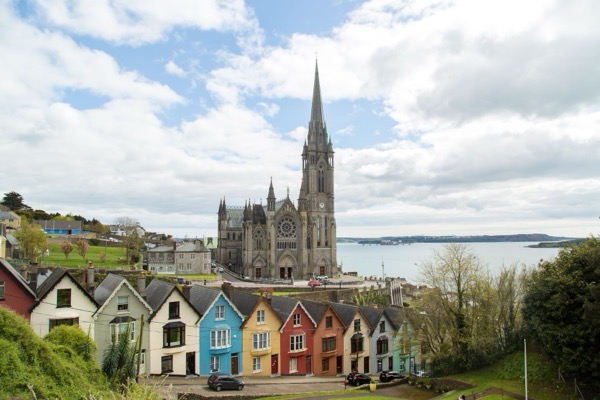
City🇮🇪 Cork
 City
City🇬🇧 Belfast
 City
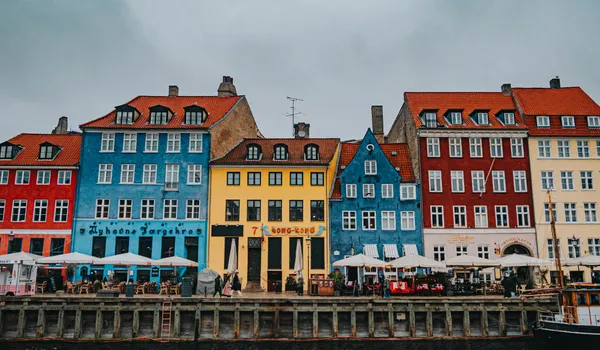
City🇩🇰 Copenhagen
 City
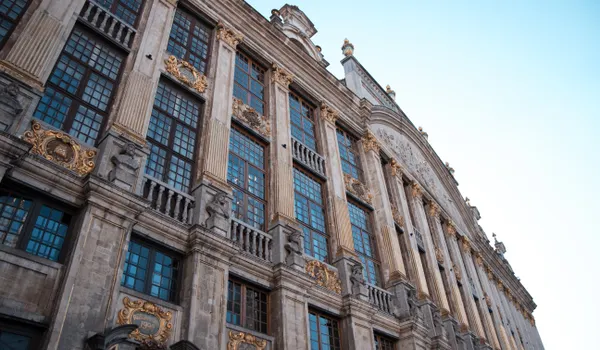
City🇧🇪 Brussels
 City
City🇫🇷 Montpellier
 City
City