When to go to London?
→ The detailed month-by-month page, with real weather records
Best time: May to September
At a glance
Why go to London?
London is a world city that never sleeps and constantly reinvents itself. Capital of an empire that once spanned the globe, it packs in a density of museums, theatres and monuments unmatched in Europe. In a single day you can go from the Crown Jewels at the Tower of London to the contemporary art of Tate Modern. This layering of eras and cultures gives London a unique, heady energy.
London's strength also lies in its mosaic of neighbourhoods, each with a strong personality. The refinement of Kensington answers the buzz of Camden, the finance of the City and the creativity of Shoreditch. You can eat your way around the world here, from the curries of Brick Lane to the food stalls of Borough. Wandering from one district to the next is like circling the globe by Tube.
Finally, London is a surprisingly green and lively capital, punctuated by vast royal parks. Hyde Park, Regent's Park and Hampstead Heath offer welcome breathing space in the middle of the bustle. Most of the major museums are free, a rare luxury for a city of this stature. Between tradition and the avant-garde, London rewards a weekend as much as a lifetime.
Map of London: what is where?
The map shows the 6 places covered in this guide, to picture the distances and plan your route.
- Tower Bridge
- Tower of London
- Palace of Westminster
- British Museum
- Buckingham Palace
- London Eye
How much does a trip to London cost?
London is an expensive capital, especially for accommodation, but the many free museums help keep cultural spending down.
| Style | Per day | What it covers |
|---|---|---|
| Backpacker | €60-100/day | Hostel, free museums, Oyster-card transport and meals on the go. |
| Comfort | €180-300/day | Central hotel, restaurants, a few paid attractions and a show. |
| Premium | €500+/day | Grand hotel, fine dining, taxis and exclusive experiences. |
The pound sterling is the currency; contactless payment is king and accepted absolutely everywhere, even for the smallest purchases.
Is London safe?
London is a big, generally safe metropolis, where visitors move around without trouble day and night in busy areas. The main thing to watch out for is pickpockets and phone snatching at tourist sites and on the crowded Tube. Keep your belongings close and avoid using your phone at the kerb of busy pavements. As in any big city, some outlying districts are less advisable late at night, though this does not affect the tourist centre. In an emergency, 999 connects you to the police, fire brigade and ambulance.
What to see and do in London
- Big Ben and Westminster
- Tower Bridge
- the British Museum
- Buckingham Palace
- Camden and Notting Hill
Tower Bridge

The ultimate emblem of London, Tower Bridge spans the Thames with its two neo-Gothic towers. Its bascules still rise regularly to let large ships through. An upper walkway with a glass floor offers a dizzying view of the river. The exhibition inside reveals the impressive original Victorian machinery. Not to be confused with neighbouring London Bridge, which is far more modest.
Tower of London

A thousand-year-old fortress on the banks of the Thames, the Tower of London has been a palace, a prison and a place of execution. Today it houses the Crown Jewels, guarded by the famous Beefeaters. Legend has it that the resident ravens guarantee the survival of the kingdom. Costumed guides recount a thousand years of bloody history with gusto. It is one of the most history-laden sites in all of England.
Palace of Westminster and Big Ben

Seat of the British Parliament, the Palace of Westminster unfurls its neo-Gothic facade along the river. The famous clock tower, nicknamed Big Ben, is its worldwide symbol. Its chimes have marked the rhythm of London life for more than a century and a half. Nearby Westminster Abbey has witnessed royal coronations and weddings. The whole ensemble is a UNESCO World Heritage Site.
British Museum

The British Museum holds one of the largest collections of antiquities in the world, and entry is free. Admire the Rosetta Stone, the Parthenon friezes and the Egyptian mummies. The Great Court, covered by a spectacular glass roof, is its luminous heart. Seeing everything in one visit is impossible, so better to target a few departments. It is a journey through every civilisation of humankind.
Buckingham Palace
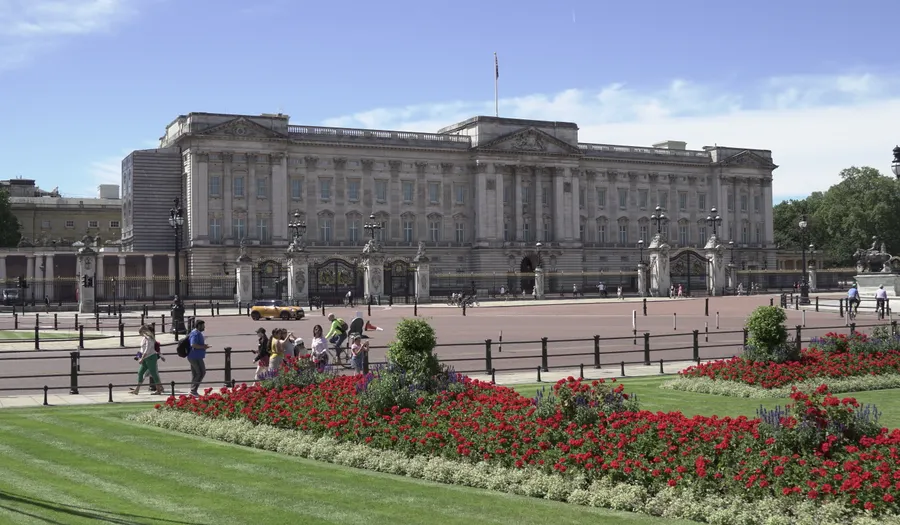
The official residence of the British monarch, Buckingham Palace fascinates visitors from all over the world. The Changing of the Guard, with its bearskin hats and military bands, takes place in front of the gates. In summer, the State Rooms open to the public for a limited season. A raised flag signals that the sovereign is in residence. The Mall leading up to it offers a regal vista all the way to Trafalgar Square.
London Eye

A 135-metre Ferris wheel planted on the South Bank of the Thames, the London Eye towers over the city. In half an hour, its glass capsules offer a 360-degree panorama of the capital. On a clear day, the view stretches some forty kilometres in every direction. It is especially magical at dusk, when the city lights up. It has become a symbol of contemporary London.
How many days, and which itinerary?
Three to four days are enough to see the must-sees, but London easily deserves a week, so vast is what it has to offer.
🗺️ Day-by-day itinerary · 📓 Free printable London guide (PDF) · 🌍 All of United Kingdom
Essential London (3 days)
Day one covers Westminster, Big Ben and Buckingham. Day two explores the Tower of London, Tower Bridge and the City, and day three combines the British Museum with the Soho and Covent Garden neighbourhoods.
Classic and cultural London (5 days)
The three essential days are followed by a museum day in South Kensington and at Tate Modern, then a day in the creative districts of Shoreditch and Camden. Finish with a show in the West End.
London and a day out (7 days)
After five days in the city, treat yourself to a trip to Windsor or Oxford, then a day in Greenwich and its parks. That way you alternate between urban buzz and calmer breathing space.
Getting there and getting around
The Underground, nicknamed the Tube, is the fastest way across the city, using an Oyster card or a contactless bank card.
The red double-decker buses cover the city closely and offer a sightseeing tour on the cheap from the top deck.
Walking is ideal in the centre, where many sights sit close together along the Thames.
Remember that traffic drives on the left, so take extra care when crossing the road.
Where to stay in London?
Youth hostels and budget hotels around King's Cross or in the east, from €35 to €70 a night.
Mid-range hotels in the centre or in Bloomsbury, between €120 and €220 a night.
Boutique hotels in Kensington or Covent Garden, from €250 to €400 a night.
Legendary grand hotels such as the Savoy or the Ritz, from €500 a night.
Our places to stay, stop by stop, at three budgets →
What to eat in London?
Try fish and chips, a popular classic best enjoyed in a traditional pub.
Savour a full afternoon tea, with scones, clotted cream and delicate pastries.
Explore markets such as Borough Market or Brick Lane for food from all over the world.
Set aside a Sunday for the Sunday roast, a generous roast served with Yorkshire pudding.
Entry requirements
A passport is required: EU ID cards are no longer accepted. EU, US, Canadian and Australian visitors travel without a visa but must apply online for an Electronic Travel Authorisation (ETA) before departure. Irish citizens need neither.
Rules change: check your own government's travel advice before you go.
Frequently asked questions about London
When is the best time to visit London?
From May to September, the days are long and mild, ideal for enjoying the parks. Spring and autumn remain pleasant and less crowded, while winter charms with its Christmas lights despite the cold.
How many days should I spend in London?
Three to four days are enough to see the must-sees, but a week is ideal for exploring the neighbourhoods, the museums and a day trip nearby.
What daily budget for London?
Allow around €80 a day as a backpacker thanks to the free museums, €240 for a comfortable stay and over €500 for a premium experience.
How do I get around London?
The Tube and buses, paid with a contactless bank card or an Oyster card, cover the whole city, with walking filling the gaps in the centre.
Which area should I stay in?
Bloomsbury and Covent Garden are central and well connected, South Kensington appeals for its museums, while Shoreditch attracts with its trendy vibe.
Similar destinations
 City
City🇮🇪 Dublin
 Country
🇪🇸 Spain
 City
City🇪🇸 Barcelona
 City
City🇪🇸 Madrid
 City
City🇮🇹 Naples
 City
City🇵🇹 Lisbon
 City
City🇬🇷 Athens
 City
City🇮🇪 Cork
 City
City🇬🇧 Belfast
 Country