When to go to Uruguay?
→ The detailed month-by-month page, with real weather records
Best time: November to March (southern summer)
At a glance
Why go to Uruguay?
Uruguay is the country that has turned tranquillity into an art of living. Nobody rushes here: people share a mate on the rambla, stretch the Sunday asado out until evening, and the short distances, with the whole country fitting into two afternoons' drive, leave time to wander. To catch your breath after its giant neighbours, it is the perfect destination.
It also has the continent's most endearing Atlantic coast. From west to east it shifts from river to ocean: the city beaches of Montevideo, the glamour of Punta del Este, then nothing at all: Cabo Polonio and its dunes without electricity, Punta del Diablo and its fishermen's shacks. The closer you get to Brazil, the wilder it becomes.
And there is a quiet elegance that takes you by surprise: the UNESCO-listed Portuguese lanes of Colonia del Sacramento, the Tannat vineyards around Montevideo, the estancias where you sleep among the horses. Uruguay does not try to impress; it wins loyalty.
Map of Uruguay: what is where?
The map shows the 6 places covered in this guide, to picture the distances and plan your route.
- Montevideo
- Colonia del Sacramento
- Punta del Este
- Cabo Polonio
- Punta del Diablo
- Salto
How much does a trip to Uruguay cost?
A stable country with a cost of living close to southern Europe, Uruguay is not the continent's bargain, but January in Punta del Este aside, it remains reasonable. Three profiles to plan ahead.
| Style | Per day | What it covers |
|---|---|---|
| Backpacker | €45-70/day | Hostels, buses, chivitos and Rocha's free beaches. |
| Comfort | €80-130/day | Charming posadas, a hire car, parrillas and guided tours. |
| Premium | €180+/day | Design hotels in Punta del Este or José Ignacio, estancias and renowned restaurants. |
Is Uruguay safe?
Uruguay is one of the safest countries in Latin America. Precautions come down to urban common sense: avoid certain Montevideo neighbourhoods at night and keep an eye on your belongings on the crowded beaches in January.
What to see and do in Uruguay
- Montevideo and its rambla
- Colonia del Sacramento
- Punta del Este
- Cabo Polonio
- the beaches of Rocha
Montevideo and the Ciudad Vieja

The capital is best explored on foot, from the Palacio Salvo to the halls of the Mercado del Puerto, where the parrillas sizzle. The rambla, 22 km of promenade facing the Río de la Plata, is the real nerve centre: people jog, fish and put the world to rights there, mate in hand, until sunset.
Colonia del Sacramento

An hour by ferry from Buenos Aires, the country's oldest town lines up its cobbled lanes beneath the bougainvillea. The Calle de los Suspiros, the lighthouse you can climb and the quays where vintage cars rust away make up a UNESCO-listed setting, best savoured once the day-trippers have left.
Punta del Este and La Mano

South America's most famous beach resort runs at two speeds: buzzing in January, almost deserted the rest of the year. The giant fingers of La Mano have emerged from Playa Brava since 1982, and the harbour is home to a colony of sea lions you can watch between the fishermen's stalls.
Casapueblo

Neither house nor museum: a habitable sculpture, poured in white waves over the cliff at Punta Ballena by the artist Carlos Páez Vilaró. You visit the studio, then settle on the terrace for the sunset ceremony, greeted every evening by a recorded poem from the master of the house.
Cabo Polonio
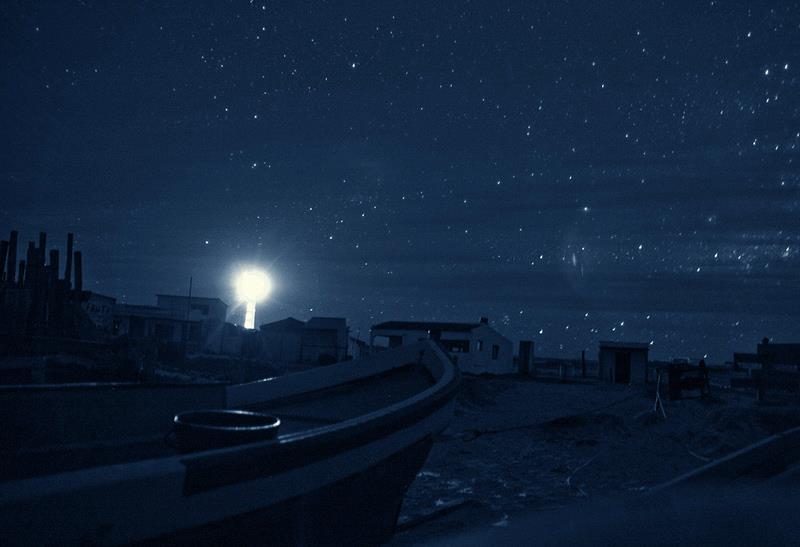
No road, no electricity: you reach this hamlet set between dunes and ocean aboard licensed 4x4 trucks. At night, only the lighthouse and the Milky Way light up the wooden shacks. At the foot of the rocks, one of the largest sea lion colonies on the continent grumbles non-stop.
Punta del Diablo and the Rocha coast

The old fishing village has become a surfers' refuge without losing its colourful shacks or its sand stretching as far as the eye can see. Around it, the department of Rocha lines up wild beaches, lagoons with pink flamingos and the fortress of Santa Teresa, set in a waterside park.
How many days, and which itinerary?
Around ten days is enough to link Colonia, Montevideo and the Rocha coast at an Uruguayan pace, in other words a gentle one. Two weeks adds the hot springs of the west or a night on an estancia.
🗺️ Day-by-day itinerary · 📓 Free printable Uruguay guide (PDF)
The classic coast (10 days)
Colonia del Sacramento, two days in Montevideo, then east along the coast: Punta del Este and Casapueblo, Cabo Polonio, and the end of the world at Punta del Diablo.
The escape from Buenos Aires (4-5 days)
One hour on the ferry and the pace changes: a night in Colonia's historic quarter, then Montevideo for the rambla, the Mercado del Puerto and a match at the Estadio Centenario.
The grand loop (2 weeks)
The full Atlantic coast, then back up into the interior: Tannat vineyards, an estancia in the hills and the hot springs of Salto along the Uruguay River.
Getting there and getting around
The bus network is excellent and covers the whole country: comfortable and punctual, with Montevideo (Tres Cruces terminal) as the hub.
The Buenos Aires-Colonia ferry (1h) or Buenos Aires-Montevideo ferry (2h15) is the most pleasant way in from Argentina.
A hire car is worth it for the Rocha coast and the interior: quiet roads, short distances, relaxed driving.
Cabo Polonio can only be reached aboard the official off-road trucks from the terminal on Route 10; leave your car in the guarded car park.
Where to stay in Uruguay?
Charming posadas in Colonia's colonial houses, between €60 and €100 a night.
Hostels and cabañas on the Rocha coast, from €25 to €50, often right on the sand.
In Punta del Este, prices double in January-February: book early or aim for December and March.
The tourist estancias of the interior offer full board, horses and starlit silence for around €120-180.
Our places to stay, stop by stop, at three budgets →
What to eat in Uruguay?
Uruguayan asado, slow-cooked over a wood fire, is best enjoyed at Montevideo's Mercado del Puerto, in a country that eats more beef per head than Argentina.
The chivito, the national sandwich overflowing with steak, ham, egg and mozzarella, will see you through a whole lunch.
Mate is a constant ritual: thermos under one arm, Uruguayans drink it everywhere, from the bus to the beach.
Tannat, the country's signature grape, can be discovered in the bodegas around Montevideo and Carmelo.
For dessert, dulce de leche is everywhere: in alfajores, pancakes and flan.
Entry requirements
Visa-free for up to 90 days for EU, UK, US, Canadian and Australian passports. The passport must be valid for the whole stay; the US advises six months beyond arrival.
Rules change: check your own government's travel advice before you go.
Cities and regions to discover

Frequently asked questions about Uruguay
When is the best time to go?
The southern summer, from November to March: 24 to 28 °C, with water at 21-24 °C on the coast. December and March give you the beaches without the crowds or the prices of January.
Can you swim in Uruguay?
Yes, especially from December to March: the Atlantic warms up to 22-24 °C at the height of summer. Out of season the water cools quickly, down to 12 °C in midwinter.
How do you get to Uruguay from Argentina?
By ferry: one hour between Buenos Aires and Colonia del Sacramento, or 2h15 straight to Montevideo. It is simple, frequent and spectacular on arrival.
Is Uruguay expensive?
It is one of the most expensive countries in South America, comparable to Spain. Allow €80-130 a day for a comfortable trip, and considerably more in Punta del Este in January.
Similar destinations
 Region
🇮🇹 Puglia
 Region
🇭🇷 Istria
 Country
🇫🇷 France
 Region
🇫🇷 Normandy
 Region
🇫🇷 The Loire Valley
 City
City🇫🇷 Bordeaux and Around
 Country