Montpellier
A city with no Roman past and no port, founded in the 10th century around a spice trade and made famous by its medical school, the oldest still working in the Western world. Today it is young and lively, with a medieval centre closed to cars, the sea about fifteen kilometres away and trams heading towards it.
 By PierrickLocal Guide ★8 · 14M+ views on Google MapsBy PierrickLocal Guide ★8 · 14M+ Maps views
 🇫🇷 🎭
Montpellier · Photo Abdelmoughit LAHBABI / Pexels
Things to do in Montpellier in 4 days
Day 1
Learn moreMore
A fine art museum founded in 1825, from 17th-century Flemish and Dutch painting to a major Courbet collection and Soulages works given by the artist.
💡 Don't plan an hour's visit at the end of the day, as the rooms are cleared at 5:45pm. The Soulages room takes up the top floor and is the quietest part of the visit. Price: €9 (free on the 1st Sunday of the month).
 Björn S. / CC BY-SA 3.0 (Wikimedia Commons)
Learn moreMore
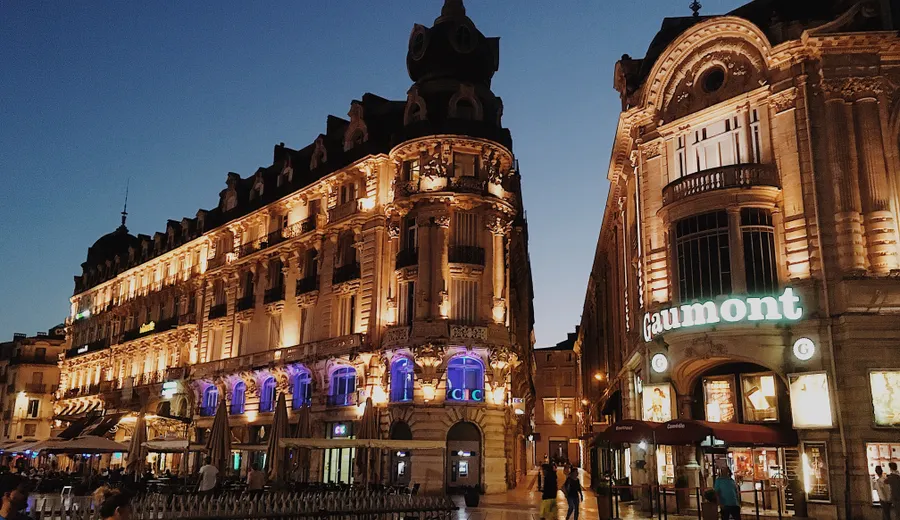
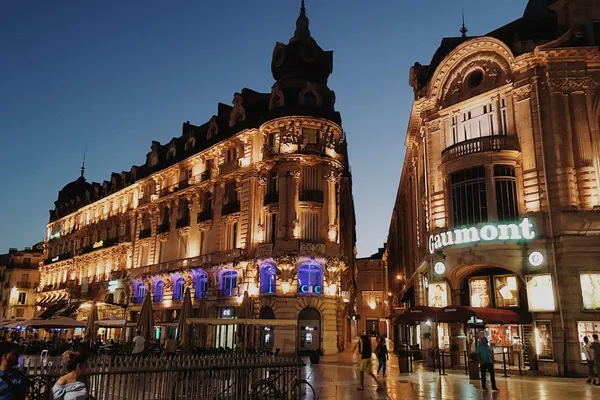
The large pedestrian square between the medieval centre and the 19th-century city, closed by the 1888 opera house with the Three Graces fountain in front.
💡 The cafés on the square charge for the view: a coffee costs twice what it does on the rue de l'Ancien-Courrier, a hundred metres away. Watch phones left on tables, as this is the city's main hunting ground for pickpockets, and ignore the shell-game players set up on the Esplanade side. For photos, climb the opera house steps early in the morning, while the square is still empty.

Day 2
Learn moreMore
A former monastery chapel with a porch on two huge conical pillars, beside the medical school descended from one founded in 1220.
💡 The cathedral is free but closes in the middle of the day and during services: aim for mid-morning. The Musée Atger, a collection of old drawings housed in the faculty, opens for free only a few afternoons a week, and the anatomy collection can only be visited during slots announced by the university. Check both calendars before you come, as they're independent of each other.
Christian Ferrer / CC BY-SA 4.0 (Wikimedia Commons)Learn moreMore
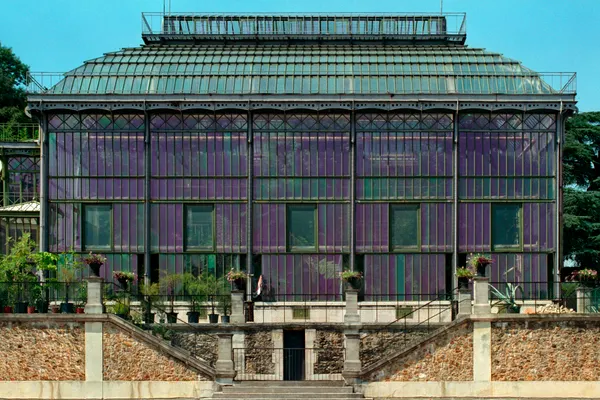
France's oldest botanical garden, created in 1593 under Henri IV to teach medical botany, with its original terraces, 19th-century glasshouses and orangery.
💡 Entry is free, but the garden is closed on Mondays and its hours vary a lot with the season, sometimes closing as early as 6pm in winter. Part of the site has been closed for restoration for several years: don't expect to see all the greenhouses, and check what's open before crossing town. Combine your visit with the cathedral and the medical faculty, just opposite.
Day 3
Learn moreMore
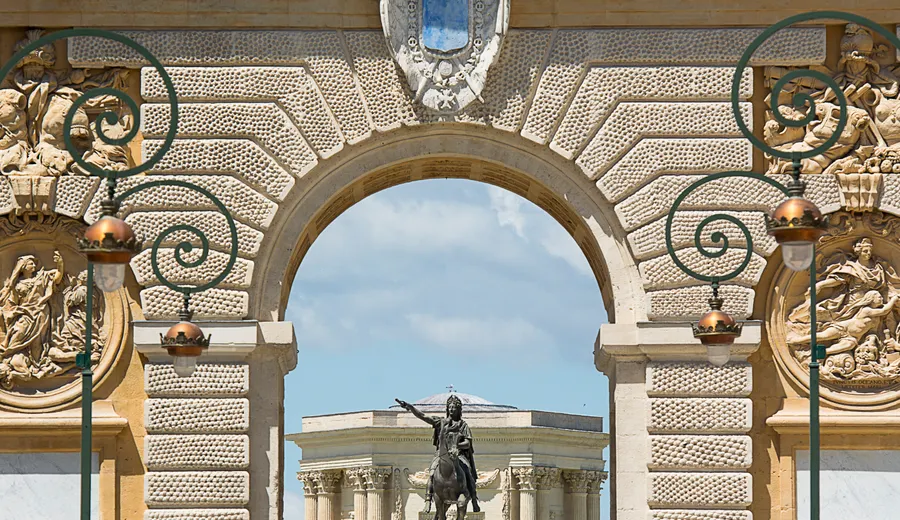
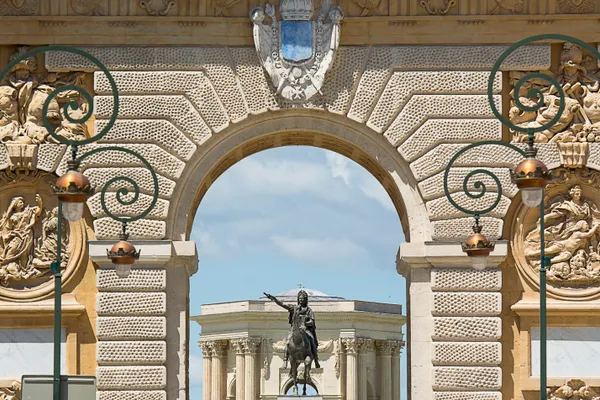
A two-level terrace above the city, with a triumphal arch and Louis XIV on horseback, ending at a water tower fed by a two-tier aqueduct.
💡 This is Montpellier's sunset spot, with views as far as the Cévennes and sometimes even Mont Ventoux on days when the tramontane blows. Then head down under the arches for the Arceaux market, Tuesday and Saturday mornings, the liveliest in the city and by far the best for local producers. The garden below the terrace is closed at night, so don't count on hanging around after dark.
Learn moreMore
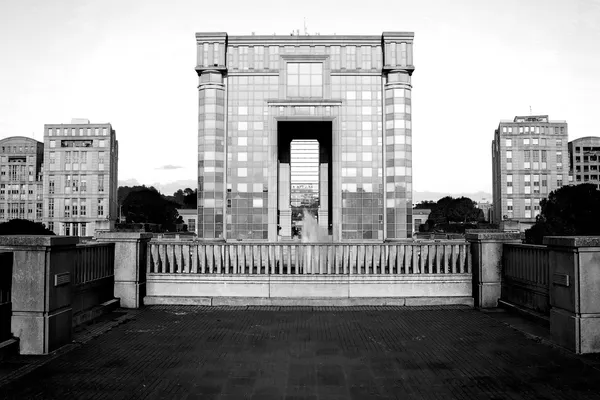
Ricardo Bofill's kilometre of neoclassical squares in precast concrete, begun in the late 1970s, where the columns and pediments front social housing and offices.
💡 Walk through it from the Polygone shopping centre, in under an hour there and back, then carry on to Sou Fujimoto's Arbre Blanc on the other bank of the Lez: its rooftop is open to the public and gives the best overall view. Low morning or evening light flatters the façades, while at midday the concrete flattens everything. Tram lines 1 and 4 run through the district if you don't want to walk back.

Day 4
Learn moreMore
The oldest of Montpellier's country houses, begun in 1696 among vineyards, with a hanging staircase, Flemish tapestries and formal gardens leading into an English park.
💡 Tram line 1 stops at Millénaire, about ten minutes' walk from the gates, so you can skip the car entirely. Hours vary a lot with the season and the interior can often only be visited in the afternoon on guided slots: call or book before setting off, especially outside July and August. Expect about ten euros for the château and gardens, with tastings charged separately. Price: About €10 for château and gardens, tasting extra.
Vpe / CC BY-SA 3.0 (Wikimedia Commons)Learn moreMore
A massive 12th-century Romanesque church alone among vines, pines and lagoons on a former island, seat of a bishopric for nearly a thousand years.
💡 Entry to the cathedral is free, but cars stop at a paid car park and there's still a twenty to thirty-minute walk or a seasonal little train: bring water, as there are no shops along the way. The early music festival in June turns the nave into a concert hall, the best time of year to come. The beach isn't lifeguarded along its whole length and the current can be strong, so stay near the lifeguard stations in summer.
 GO69 / CC BY-SA 4.0 (Wikimedia Commons)
"Book" (hotels) and "via GetYourGuide" (activities) are affiliate links (Booking, GetYourGuide). Prices, times and distances are approximate.
Take this plan everywhere
Download your itinerary (Montpellier) as a PDF: day by day, activities, times and where to stay. Matches the length you chose.
Don't feel like organising everything? A local partner travel agent can set it all up for you (flights, hotels, activities). We pass on your preferences and they call you back. Free and with no obligation.
Have you thought of…?
The little details that make all the difference once you're there.
Similar itineraries



📄 See the full guide: Montpellier, detailed month-by-month weather, budget, what to avoid and FAQ.