When to go to Botswana?
→ The detailed month-by-month page, with real weather records
Best time: May to October
At a glance
Why go to Botswana?
Botswana is the sanctuary of a southern Africa that has stayed wild, where water and sand draw landscapes like nowhere else. The Okavango Delta, a vast fan of fresh water lost in the heart of the Kalahari, concentrates wildlife of rare density. Here, safari is often lived in a mokoro, the traditional dugout canoe, in a silence broken only by birds and the breath of hippos.
The country has made a radical and deliberate choice: high-end, low-volume, high-impact tourism that protects gigantic territories. Camps are few, often luxurious, and private concessions drastically limit the number of vehicles around the animals. You pay dearly for the privilege, but you gain an intimacy with nature that has become almost impossible to find elsewhere.
Beyond the Okavango, Botswana has other striking faces. Chobe's elephants number in the tens of thousands, the white Makgadikgadi salt pans dissolve into mirages, and the Kalahari is still home to the San people and their ancestral knowledge. It is a destination for discerning travellers, ready to invest in a life experience rather than a mere postcard.
Map of Botswana: what is where?
The map shows the 6 places covered in this guide, to picture the distances and plan your route.
- Okavango Delta
- Chobe National Park
- Makgadikgadi Pans
- Moremi Game Reserve
- Maun
- Tsodilo Hills
How much does a trip to Botswana cost?
Botswana is an expensive destination, fully embracing a high-end, low-volume tourism model. Safari here costs considerably more than in neighbouring countries.
| Style | Per day | What it covers |
|---|---|---|
| Backpacker | €80-150/day | Self-drive 4x4 with camping, supermarket supplies, independent park visits. |
| Comfort | €250-450/day | Mid-range lodges, a few guided activities and one camp in a concession. |
| Premium | €800+/day | All-inclusive luxury safari camps, light aircraft flights, private guides: a high-end safari quickly runs to several thousand euros. |
The currency is the Botswana pula; cards work in the towns and lodges, but keep cash for remote areas.
Is Botswana safe?
Botswana is one of the safest and most stable countries in Africa, with low crime mainly affecting the big towns. The main health concern is malaria, present in the north of the country (Okavango, Chobe, Moremi), especially from November to June: preventive treatment and good mosquito protection are strongly recommended. In the bush, follow the guides' instructions to the letter around wildlife, which remains dangerous. Take out solid repatriation insurance, as distances to hospitals are considerable.
What to see and do in Botswana
- the Okavango Delta by mokoro
- Chobe National Park and its elephants
- the Kalahari Desert
- the Makgadikgadi Pans
- private safaris
Okavango Delta
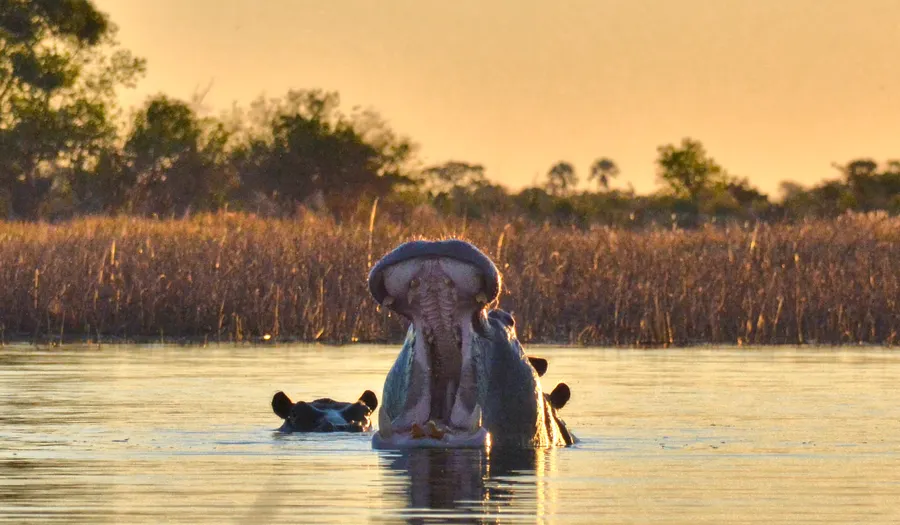
This inland delta, unique in the world, floods the Kalahari each year with crystal-clear water from Angola. You explore it by mokoro, gliding between papyrus and water lilies, or on walking safaris in the private concessions. Elephants, leopards, wild dogs and exceptional birdlife inhabit this labyrinth of channels and islands. A UNESCO World Heritage Site, it is the country's absolute jewel.
Chobe National Park
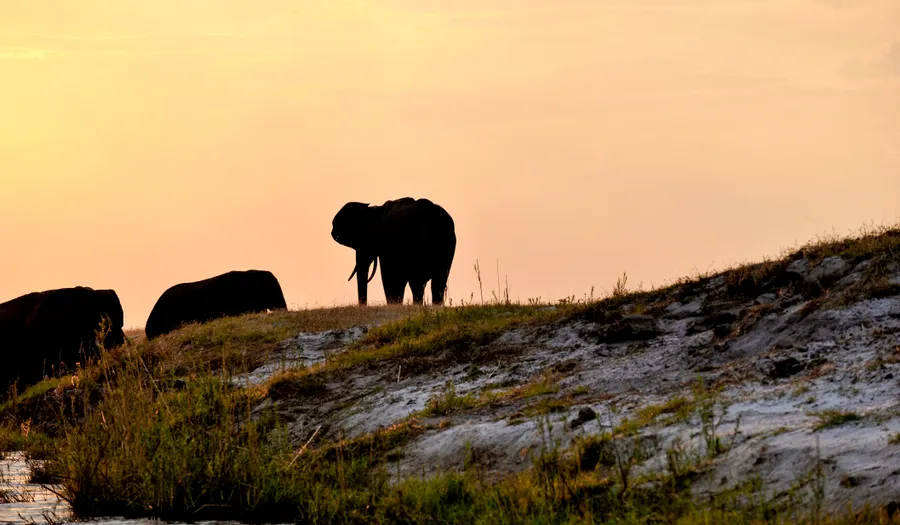
Chobe is home to one of the highest concentrations of elephants on the planet, estimated at several tens of thousands. Sunset boat safaris on the Chobe River deliver unforgettable scenes of herds coming down to drink. You also come across buffalo, hippos, crocodiles and many big cats. Its proximity to Victoria Falls makes it a logical stop on a grand regional circuit.
Makgadikgadi Pans
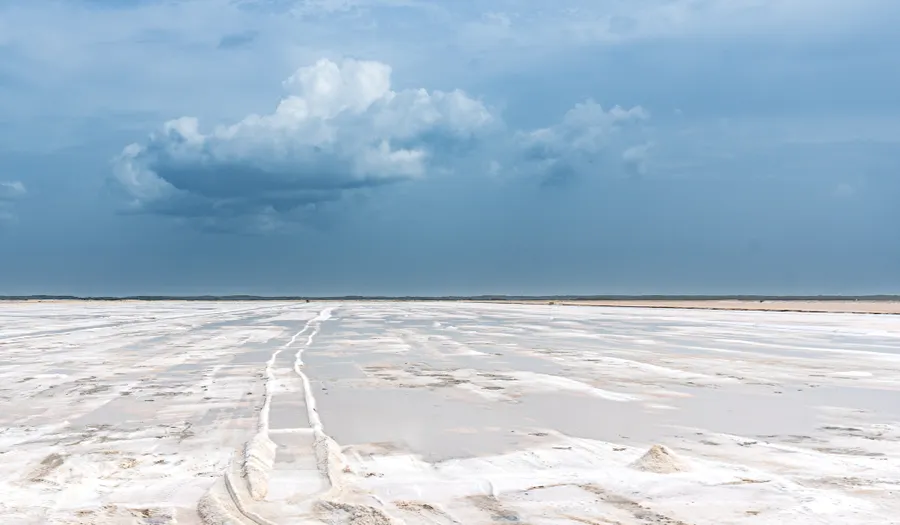
These immense salt flats, remnants of a vanished prehistoric lake, form one of the largest salt deserts in the world. In the dry season, the white, cracked horizon becomes hypnotic, perfect for nights under the stars. The rainy season draws zebras and wildebeest on a spectacular migration, along with flamingos. You can also watch surprisingly tame meerkats and ancient baobabs.
Moremi Game Reserve

Covering the east of the Okavango Delta, Moremi combines wetlands and dry forest in a single protected setting. Considered one of the finest reserves in Africa, it offers reliable sightings of the big predators, including the rare wild dog. Waterholes and floodplains draw abundant wildlife all year round. Its tracks are driven by 4x4, often from neighbouring camps.
Kalahari Desert

The central Kalahari unrolls its semi-arid savannahs as far as the eye can see, land of the San people and of wildlife adapted to aridity. You follow black-maned lions, oryx and springbok along lonely tracks. Encounters with the Bushmen reveal a way of life and survival techniques thousands of years old. This is the Botswana of the great silence, raw and immense.
Tsodilo Hills

Nicknamed the Louvre of the desert, these quartzite hills shelter several thousand rock paintings, some of them several millennia old. A sacred place for the San, Tsodilo is a UNESCO World Heritage Site for its artistic and spiritual density. Guided trails lead to the main panels decorated with animals and enigmatic figures. Far from the classic circuits, the site offers a plunge into African prehistory.
How many days, and which itinerary?
Allow 8 to 12 days to combine the Okavango Delta, Chobe and a third area such as the Makgadikgadi or the Kalahari.
🗺️ Day-by-day itinerary · 📓 Free printable Botswana guide (PDF)
Delta essentials (8 days)
Fly to Maun, then immerse yourself in the Okavango Delta by mokoro and 4x4 from a camp in Moremi. Next comes Chobe for its elephants and boat safaris. A dense but smooth plan, focused on the must-sees of the north.
Grand northern circuit (12 days)
This ambitious route links the Okavango, Moremi, the Makgadikgadi Pans and Chobe, with a possible extension to Victoria Falls. Each stage brings a radical change of scenery, from water to salt and then to river. Ideal for wildlife enthusiasts with a real budget.
Off-the-radar Botswana (10 days)
An itinerary pairing the central Kalahari, its San and its desert lions, with the aquatic riches of the Okavango. It alternates mineral solitude with the abundance of the wetlands. Perfect for those seeking authenticity far from the crowds.
Getting there and getting around
Light aircraft rule: most Okavango camps can only be reached by small plane from Maun or Kasane.
Hiring a fully equipped 4x4 allows self-drive touring and wild camping, reserved for drivers experienced on sand tracks.
Transfers between camps are generally organised by the lodges, often included in all-inclusive packages.
The tarred road network links the main towns, but access to the reserves almost always requires a suitable vehicle.
Where to stay in Botswana?
Mobile bush camps and public campsites: from around €30 to €60 per person for the most rustic.
Mid-range lodges on the edge of the parks: around €150 to €300 a night.
All-inclusive safari camps in private concessions: often €500 to €900 per person per night.
Exceptional luxury camps in the delta: easily €1000 to €2000 and more per person, all inclusive.
Our places to stay, stop by stop, at three budgets →
What to eat in Botswana?
Local cooking revolves around seswaa, meat slowly simmered and shredded, served with maize pap.
In the camps, full board brings carefully prepared international cuisine, often served at a communal table.
Game such as kudu or oryx sometimes features on lodge menus as a regional speciality.
In Maun or Kasane, a few restaurants and supermarkets let you stock up before heading into the bush.
Entry requirements
Visa-free for up to 90 days for EU, UK, US, Canadian and Australian passports. The passport must be valid six months beyond arrival, with three blank pages. Anyone travelling with a child must carry the child's full birth certificate.
Rules change: check your own government's travel advice before you go.
Cities and regions to discover

Frequently asked questions about Botswana
When is the best time for a safari?
The dry season, from May to October, is ideal: wildlife gathers around the waterholes and the vegetation is sparse. July to September offers the best sightings, but also the highest prices.
What daily budget should I plan for?
Allow at least €80 to €150 a day on a budget self-drive, €250 to €450 for a comfortable trip, and easily €800 or more a day for an all-inclusive luxury safari.
What are the health risks?
Malaria is present in the north of the country, especially between November and June; preventive treatment is advised. No vaccinations are compulsory, but those against hepatitis A and typhoid are recommended.
How do you travel between camps?
The delta camps are mainly reached by small plane from Maun or Kasane. Elsewhere, a 4x4 is essential, whether on a self-drive or via transfers organised by the lodges.
Similar destinations
 Country
🇦🇺 Australia
 Region
🇹🇿 Kilimanjaro
 Region
🇦🇷 Patagonia
 Region
🇹🇿 The Serengeti
 Region
🇳🇦 Etosha National Park
 Region
🇰🇪 Masai Mara
 City
City🇦🇺 Uluru
 Country
🇮🇸 Iceland
 Country
🇳🇴 Norway
 Country