When to go to New York?
→ The detailed month-by-month page, with real weather records
Best time: April to June and September to November
At a glance
Why go to New York?
New York packs into a few square kilometres an energy few cities in the world can match. Between the skyscrapers of Midtown, the creative neighbourhoods of Brooklyn and the world-class museums, every street tells a story. You come the first time for the icons and come back for the details that never make it onto postcards.
The city is lived on foot and by subway, neighbourhood by neighbourhood, from the Financial District to Harlem. Manhattan sets the pace, but Brooklyn, Queens and the Bronx offer a more local, more affordable and often tastier New York. This range of faces means no two trips are ever quite the same.
It is also a destination of non-stop culture: Broadway theatres, Chelsea galleries, the jazz clubs of Greenwich Village and a food scene that spans every cuisine on the planet. Add Central Park as a green breathing space in the heart of all that density, and you have a city to savour in every season.
Map of New York: what is where?
The map shows the 6 places covered in this guide, to picture the distances and plan your route.
- Central Park
- Times Square
- Statue of Liberty
- Brooklyn Bridge
- Empire State Building
- The High Line
How much does a trip to New York cost?
New York is an expensive destination, especially for accommodation and restaurants. Lodging is the heaviest item in any budget.
| Style | Per day | What it covers |
|---|---|---|
| Backpacker | €120-180/day | Dorm, subway, meals on the go and museums at reduced price or free. |
| Comfort | €250-400/day | Mid-range hotel, restaurants, a musical and a few paid museums. |
| Premium | €500+/day | Boutique or luxury hotel, renowned restaurants, shows and taxis whenever you like. |
The US dollar (USD) is the currency; cards are accepted everywhere, and allow for a tip (15 to 20%) in restaurants.
Is New York safe?
New York is today one of the safest major cities for visitors, including in the evening in the busy tourist areas. The precautions are those of any big city: watch your belongings on the subway and in crowds, avoid deserted stations late at night and stay alert in quiet areas. Emergency services and police are very present and responsive.
What to see and do in New York
- Times Square
- Central Park
- the Statue of Liberty
- the Empire State Building
- Brooklyn
Central Park
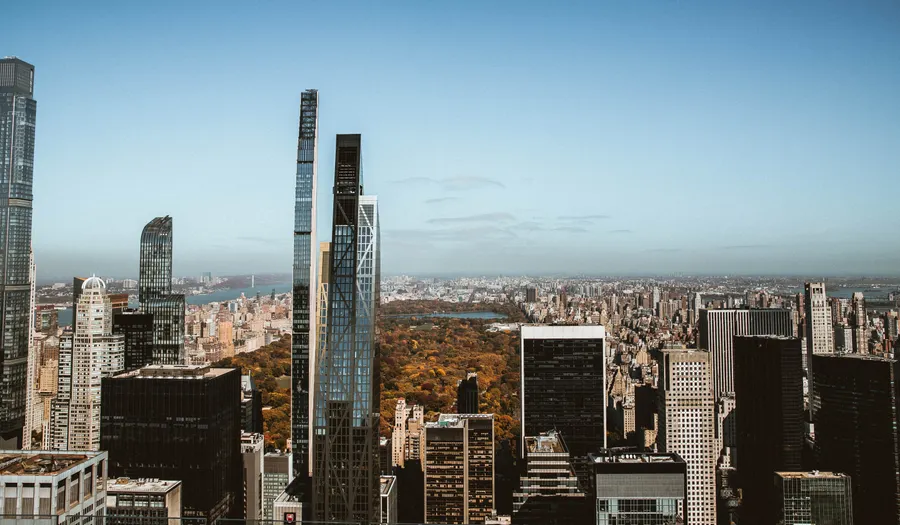
The green lungs of Manhattan, this 341-hectare park stretches for more than four kilometres. You can hire a bike, picnic near Bethesda Terrace or row on the lake. Ice rinks in winter and concerts in summer set the rhythm of park life. It is the ideal place to watch New Yorkers going about their daily lives.
Times Square

A dazzling intersection in the heart of Midtown, Times Square buzzes 24 hours a day beneath its giant screens. The show is overloaded and touristy, but standing for a few minutes in this river of light is part of the New York ritual. It is also the starting point for the nearby Broadway theatres. Come after dark for maximum effect.
Statue of Liberty
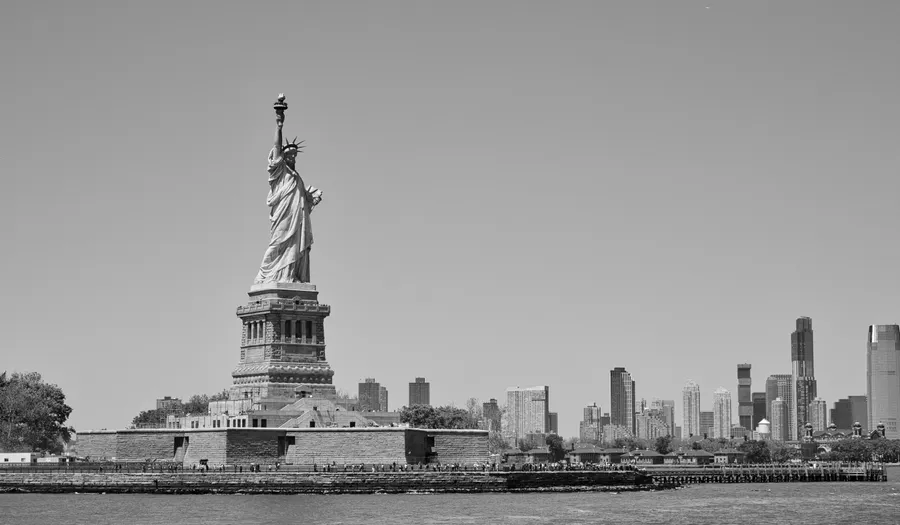
A universal symbol of freedom, the statue given by France in 1886 stands on Liberty Island. The ferry from Battery Park brings you close to the monument and offers a superb view of the skyline. You can climb up to the pedestal, or even the crown if you book well in advance. Ellis Island, the former immigration station, can be visited on the same trip.
Brooklyn Bridge
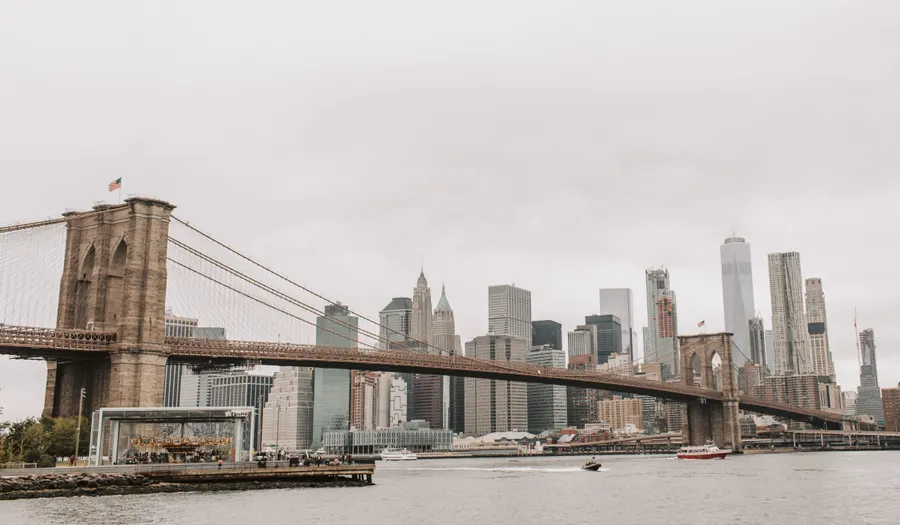
A 19th-century masterpiece, this suspension bridge links Manhattan to Brooklyn across the East River. Walking across on the wooden promenade offers spectacular views of the Lower Manhattan skyscrapers. Allow thirty minutes on foot and carry on into the Dumbo neighbourhood. Sunrise and sunset there are magical.
Empire State Building
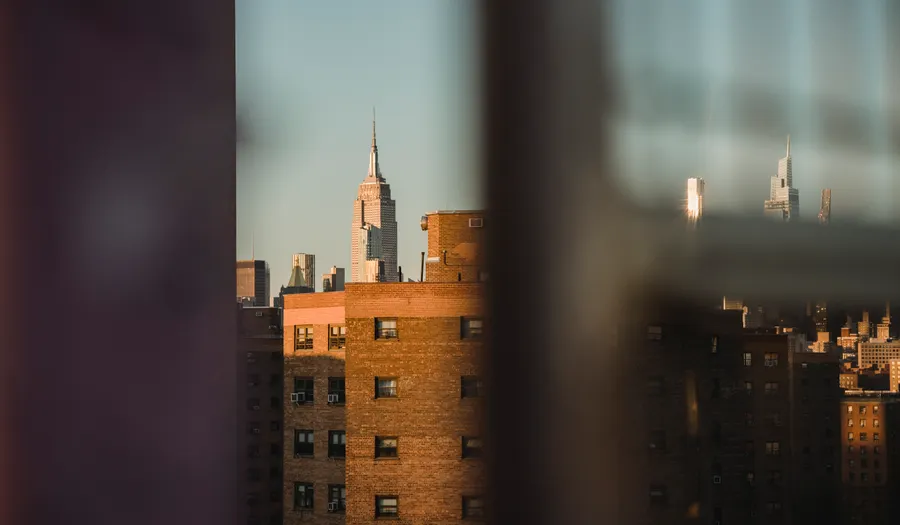
An Art Deco skyscraper from 1931, the Empire State remains one of the most famous observation decks in the world. From the 86th floor, the 360-degree view takes in the whole of Manhattan. The building lights up every evening in themed colours. Book a sunset slot to watch the city tip into night.
The High Line

A former elevated railway turned into a planted walkway, the High Line winds for almost two kilometres above Chelsea. You stroll among greenery, artworks and viewpoints over the Hudson. The route serves the gallery district and the Meatpacking District. A free walk that has become an emblem of urban renewal.
How many days, and which itinerary?
Allow at least 4 to 5 full days to explore Manhattan and get a taste of Brooklyn without rushing.
🗺️ Day-by-day itinerary · 📓 Free printable New York guide (PDF) · 🌍 All of the American West
Essentials (4 days)
Focus on Manhattan: Midtown and its skyscrapers, Central Park, Lower Manhattan and the Statue of Liberty. Add a walk across Brooklyn Bridge and an evening on Broadway.
Full discovery (6 days)
Add Brooklyn (Dumbo, Williamsburg), the museums (MoMA, the Met), Harlem and Queens. You will have time to wander and live the city like a local.
Immersion (8 days)
The ideal format for seeing everything without rushing: the great classics, the less-visited neighbourhoods, a trip upstate or a day of shopping and food.
Getting there and getting around
The subway runs 24 hours a day and covers the whole city: contactless OMNY or a MetroCard is essential.
Walking remains the best way to explore each neighbourhood, often faster than a taxi at rush hour.
Yellow cabs and ride-hailing apps (Uber, Lyft) are handy in the evening but expensive in traffic.
From JFK, Newark and LaGuardia airports, use the AirTrain plus the subway, or shuttles, to reach the centre cheaply.
Where to stay in New York?
Hostels and dorms: around €50 to €90 a night, mainly in Queens and Brooklyn.
Mid-range hotels in Midtown or the Lower East Side: €180 to €300 for a double room.
Charming boutique hotels in SoHo, Chelsea or Williamsburg: €300 to €500 a night.
Luxury hotels and prestige addresses near Central Park: €600 a night and far more.
Our places to stay, stop by stop, at three budgets →
What to eat in New York?
Bagels with cream cheese and pastrami on rye: the classics of a New York breakfast and lunch.
Pizza by the slice and street hot dogs: quick, cheap and iconic.
Food halls such as Chelsea Market or Time Out Market for trying a bit of everything under one roof.
Weekend brunch: a true local ritual, best booked in Brooklyn neighbourhoods or the West Village.
Entry requirements
UK, Australian and most EU passports need an ESTA, applied for online before departure, for stays of up to 90 days; a few EU countries sit outside the Visa Waiver Program and need a full visa. Canadians need neither, only a passport. Anyone who has been to Cuba since January 2021 cannot use an ESTA and must apply for a visa.
Rules change: check your own government's travel advice before you go.
Frequently asked questions about New York
When is the best time to visit New York?
Spring (April-June) and autumn (September-October) bring the most pleasant temperatures. December charms with its Christmas lights, while July-August are hot and humid.
How many days should I spend in New York?
Allow at least 4 days for the Manhattan must-sees, and 6 to 7 days to explore Brooklyn and the museums and live the city without rushing.
What daily budget should I plan for?
Around €120 to €180 a day travelling on a budget, €250 to €400 for a comfortable stay, and more for upmarket hotels and restaurants.
How do I get around the city?
The subway, open 24 hours a day, is the most efficient and cheapest option. Walking is ideal for exploring each neighbourhood; keep taxis and ride-hailing for the evening.
Which neighbourhood should I stay in?
Midtown is central and convenient for a first visit; the Lower East Side and Brooklyn (Williamsburg, Dumbo) offer more local atmosphere and often better prices.
Similar destinations
 City
City🇨🇦 Montreal and Quebec City
 City
City🇨🇴 Cartagena
 City
City🇬🇧 London
 City
City🇮🇪 Dublin
 City
City🇨🇿 Prague
 City
City🇵🇱 Kraków
 City
City🇩🇰 Copenhagen
 City
City🇲🇦 Marrakech
 Country
🇲🇽 Mexico
 City
City