
Best time to travel in Charleston?
→ The detailed month-by-month page, with 2015-2024 averages
Best time: March to May and October to November
Best avoided if possible: January and July to August (less pleasant weather or big crowds).
Temperatures and rainfall: 1991-2020 normals from the Charleston station, NOAA data (public domain).
Humid subtropical on the Atlantic shore: muggy summers around 32°C with afternoon thunderstorms, mild winters around 15°C during the day, and a hurricane season from June to November peaking in August and September. The best time to visit Charleston is March, April, May, October and November, with temperatures reaching 31-33°C (July). By contrast, January, February, June, July, August, September and December are generally less favourable (less pleasant weather or big crowds, depending on the destination), though a trip is still possible with a bit of planning. In high season, book early: prices and visitor numbers climb fast.
Go against the flow. To avoid the crowds without sacrificing too much on the weather, aim for February, June, September and December: the crowds thin out, prices drop too, and the climate stays pleasant.
Do these months appeal to you? See what's best elsewhere too: where to go in March · where to go in April · where to go in May · where to go in October · where to go in November.
At a glance
Why go to Charleston?
Charleston is one of the best-preserved colonial cities in the United States: the peninsula, between the Ashley and the Cooper, keeps whole streets of 18th- and 19th-century houses, with their porches facing south to catch the breeze, their gardens hidden behind wrought-iron gates and a skyline held by steeples rather than towers. In 1931 the city created the country's first historic district, and it shows on every street corner.
It is also the city where the history of American slavery is most legible. Charleston was the main slave-trading port in North America, and the rice and then the cotton of the Lowcountry rested on the labour of enslaved people. The International African American Museum, opened in 2023 on a former landing wharf, McLeod Plantation and the Old Slave Mart Museum tell this story without flinching, and Gullah culture, its language, basketry and cooking, can still be encountered on the coastal islands.
Finally, Charleston is a city to eat your way through. Lowcountry cooking, shrimp and grits, red rice, she-crab soup, roasted oysters, has been reinvented by a generation of restaurants that have made the city one of the country's culinary stops. The beaches of Folly, Sullivan's Island and Isle of Palms are 20 minutes away, and the Ashley River plantations half an hour, which makes four days on the ground a complete stay.
Tourist map of Charleston: what's where?
The map below pinpoints the 6 places covered in this guide: a handy way to picture the distances between each stop and plan your route in Charleston.
- Rainbow Row
- Fort Sumter
- International African American Museum
- Middleton Place
- Angel Oak
- Folly Beach
How much does a trip to Charleston cost in 2026? Budget calculator
Estimate your budget for Charleston based on your travel style: accommodation, meals, activities and local transport included (flights excluded). Adjust the length and the number of travellers, and the totals update.
Totals for all travellers over the chosen length; the daily amount is per person. Flights extra, indicative amounts to adjust depending on the season.
Dollars are paid by contactless card everywhere, including in the carriages and markets. Prices are shown before tax, and sales tax and then accommodation tax are added to the bill and the room rate. Tips of 18 to 22% are expected in restaurants, $1-2 per drink at the bar, and a few dollars for guides and carriage drivers.
Safety in Charleston: should you be worried?
Charleston is a peaceful city for visitors, and the historic district can be explored on foot by day and by night. Theft from cars is the most common crime: leave nothing visible. Some streets in the north of the peninsula and in North Charleston are less safe at night, so take a taxi or a ride-hailing car to get back late. The summer heat and humidity are quickly tiring, so drink often and walk in the morning. Hurricane season runs from June to November: follow evacuation orders if a storm approaches, and note that the low-lying streets of the centre flood during king tides and storms. On the beaches, swim between the flags, as rip currents carry swimmers away every year. Mosquitoes and the small marsh midges bite at dusk. Healthcare is excellent but very expensive, so health insurance covering the United States is essential.
Things to see and do in Charleston
Our first-hand favourites, and the great classics:
- Rainbow Row
- The Battery
- Charleston City Market
- Fort Sumter
- International African American Museum
- McLeod Plantation
- Angel Oak
- Folly Beach
What to book before you go to Charleston →
🧭 Discover the Charleston itinerary, day by dayMap, timings, budget and where to stay: free to access, to fit your dates. Create my tailor-made itinerary →The historic district and South of Broad

The south of the peninsula, below Broad Street, gathers the finest houses in the city across some twenty streets: Church Street and St. Philip's Church, Meeting Street, Tradd Street, Legare Street, down to the Battery seawall and Rainbow Row. The single houses, one room wide and set perpendicular to the street, open their porches onto a side garden. Several mansions can be visited, the Nathaniel Russell House of 1808 with its free-flying spiral staircase, and the Aiken-Rhett House, left in its original state with its slave quarters. Everything can be done on foot, in a day.
King Street and Upper King

The city's main shopping street crosses the peninsula from south to north. The bottom of King Street, Lower King, lines up antique dealers and galleries, the middle fashion boutiques, and Upper King, north of Calhoun Street, the restaurants, cocktail bars and concert venues frequented by students from the College of Charleston. On Saturdays, from April to November, the Marion Square farmers' market brings together Lowcountry producers and street-food vendors. In the evening, this is the area for dining and going out, with rooftop terraces.
Fort Sumter and Patriots Point

The harbour is best discovered from the water. The Fort Sumter ferry leaves from Liberty Square, next to the aquarium, or from Patriots Point in Mount Pleasant, across the Cooper. Patriots Point is also a naval museum where you can tour the aircraft carrier USS Yorktown, commissioned in 1943, and the destroyer USS Laffey, for $28 for adult entry online, about €24. Mount Pleasant is reached via the Arthur Ravenel Jr. Bridge, from 2005, whose pedestrian and cycle path offers the best view of the city. Shem Creek, just beyond, lines up seafood restaurants on stilts and kayak departures.
The Ashley River plantations

25 km to the north-west, Highway 61 runs past three former plantations. Drayton Hall, from the 1740s, is preserved without restoration, with bare walls and original paint. Magnolia Plantation, open to the public since the 1870s, is known for its azalea gardens and its landscaped swamp. Middleton Place has the oldest landscaped gardens in the country, terraced down to the river, and workshops where craftspeople recreate the work of the estate. Each now devotes part of its visit to the enslaved people who lived there. Allow half a day for one, a full day for two, and check the prices, which are high, on their websites.
James Island and Johns Island

The southern islands, linked to the city by bridges, mix marshland, fields and housing developments. On James Island, McLeod Plantation can be visited in an hour and a half. Johns Island, more rural, is home to the Angel Oak, the most photographed tree in the region, farms selling their tomatoes and peaches by the roadside, and neighbourhood shrimp restaurants. Further on, Kiawah Island is a private golf resort, but its Beachwalker Park, run by the county, opens its beach to the public.
Folly Beach and the beach islands

Three beaches less than 30 minutes away. Folly Beach, to the south, is the liveliest, with its surf, its bars and the view of the Morris Island lighthouse. Sullivan's Island, to the north-east, is more residential, with Fort Moultrie, run by the National Park Service, which tells the story of the harbour's defence from 1776 to the Second World War, and a small cluster of restaurants. Isle of Palms, just beyond, is the most family-friendly. All three are connected by car, parking is paid in season, and swimming is between the flags, as rip currents are common.
How many days, and which itinerary in Charleston?
Three days are enough for the historic district, Fort Sumter, a museum and a beach. Four or five add the Ashley River plantations and the islands. Charleston pairs with Savannah, 175 km (110 miles) and two hours' drive away, for a week in the Lowcountry.
🗺️ Day-by-day Charleston itinerary · 📓 Printable Charleston travel guide (PDF) · 🌍 Discover all of the American West
The essentials (3 days)
Day 1: Rainbow Row early in the morning, the Battery and South of Broad on foot, a visit to the Nathaniel Russell House, City Market in the afternoon, dinner on Upper King. Day 2: International African American Museum in the morning, the Liberty Square ferry to Fort Sumter in the early afternoon, sunset from the Ravenel Bridge and dinner at Shem Creek. Day 3: McLeod Plantation in the morning, Angel Oak, afternoon and seafood dinner at Folly Beach.
Charleston and the Lowcountry (5 days)
The three days of the essentials, then a day on Highway 61 for two Ashley River plantations, Middleton Place and Drayton Hall for example, with a picnic by the river. On the fifth day, Sullivan's Island and Fort Moultrie in the morning, kayaking from Shem Creek among the estuary's dolphins in the afternoon. A car is only useful from the fourth day.
Charleston and Savannah (1 week)
Four nights in Charleston for the city, the fort, a plantation and a beach, then Route 17 south, with a stop halfway at Beaufort, a small town of antebellum houses on the water. Three nights in Savannah for its squares, Bonaventure Cemetery and Tybee Island. Return via Savannah airport or loop back to Charleston, two hours' drive.
How to get to Charleston and get around?
From Europe, Charleston International Airport is usually reached with a connection in Atlanta, Charlotte, New York or Washington, for a journey of 12 to 14 hours. It lies 20 km from the centre, 25 minutes by taxi or ride-hailing car.
The historic peninsula can be explored on foot: from the Battery to Upper King, it is less than 3 km. CARTA's free DASH shuttles loop around the centre and link the visitor centre, King Street, the City Market and the aquarium.
Cycling is handy on the peninsula, which is flat, with several day-hire outlets. The tourist carriages run through the historic district on routes allocated by lottery by the city, to avoid traffic jams.
A car becomes useful for the plantations, the islands and the beaches. Parking in the centre is paid and scarce, so choose a hotel with parking or the municipal garages, and hire the car only for excursion days.
Where to stay in Charleston?
The historic district concentrates inns and B&Bs in old houses, often with complimentary wine in the evening and breakfast in the courtyard, from €250 to €450 a night in season. It is the best choice for doing everything on foot.
The large hotels in the centre, around King Street, Meeting Street and Marion Square, cost around €200-350 a night, plus parking, $30-50 a night. Luxury hotels go above €500 in spring.
The chain hotels of West Ashley and North Charleston, 10 or 15 minutes away by car, cost half as much, with free parking. Mount Pleasant, across the bridge, is a compromise between price, beach access and the Shem Creek restaurants.
Prices rise from March to May, during azalea and wedding season, and during the Spoleto festival, in late May and early June. November and January-February are the cheapest months. Taxes and resort fees are added to the advertised price.
Our picks stop by stop, in three price ranges →
What to eat in Charleston?
Lowcountry cooking draws on what the marshes and rice fields provided: shrimp and grits, red rice with tomato, she-crab soup made with cream and crab roe, and Frogmore stew, a boil of shrimp, corn, sausage and potatoes. Gullah cooking, with its beans, rice and greens, is its root.
The chef-led restaurants in the centre serve menus at $60-120 per person, booked several weeks ahead in spring. Neighbourhood places, from barbecue joints to soul food canteens, will feed you for $15-25.
Oysters are eaten roasted over a wood fire at seasonal oyster roasts in winter, or raw in the oyster bars of the centre. Shem Creek, in Mount Pleasant, lines up seafood restaurants with terraces over the estuary.
Weekend brunch is an institution, with buttermilk biscuits and gravy, and the cocktail bars of Upper King stay open late. Add a tip of 18 to 22% at restaurants, and taxes to the listed price.
Which kind of traveller is it for?
Charleston lends itself to a cultural, foodie and romantic trip. Whether you travel as a couple, with friends or even solo, everyone finds their own pace. For accommodation, you will mostly find boutique hotels and classic hotels.
Entry requirements & practical info
UK, Australian and most EU passports need an ESTA, applied for online before departure, for stays of up to 90 days; a few EU countries sit outside the Visa Waiver Program and need a full visa. Canadians need neither, only a passport. Anyone who has been to Cuba since January 2021 cannot use an ESTA and must apply for a visa.
Rules change: before you leave, check your country's official travel advice.
Once there, to stay online without paying roaming charges, an Charleston eSIM activates in a few minutes and works as soon as you land (plans from €3.99). Remember suitable travel insurance too.
Frequently asked questions about Charleston
When is the best time to visit Charleston?
March to May, with 20 to 27°C and the azaleas and wisteria in bloom, and October-November, still warm but less humid. Summer is muggy, above 30°C with high humidity and storms every afternoon, and coincides with hurricane season. Winter is mild and quiet, with lower hotel prices.
How many days do you need in Charleston?
Three days for the historic district, Fort Sumter, a museum and a beach. Four or five to add the Ashley River plantations and the islands. The city pairs well with Savannah, two hours' drive away, for a week.
Do you need a car in Charleston?
Not for the peninsula, which can be done on foot and by free DASH shuttle. A car becomes useful for the plantations, the Angel Oak and the beaches; hire it for those days only, as parking in the centre is scarce and paid.
How do you visit Fort Sumter?
Only by boat, with the authorised operator's ferry, leaving from Liberty Square in the city or Patriots Point in Mount Pleasant. Allow 2 hours 15 minutes in total, including an hour on the fort, and about $46 per adult, or €39. Entry to the national monument is free, and the $100 surcharge that applies to eleven major national parks does not apply here.
Which plantation should you visit near Charleston?
McLeod, on James Island, is the closest and the most focused on the lives of the enslaved, for $20, about €17. On the Ashley River, Middleton Place for its gardens, Drayton Hall for its house preserved without restoration, Magnolia for its azaleas. Boone Hall, in Mount Pleasant, is the most photographed for its avenue of oaks.
Can you swim near Charleston?
Yes, from May to October, with the Atlantic above 25°C in summer. Folly Beach, Sullivan's Island and Isle of Palms are 20 or 30 minutes away. Swim between the lifeguards' flags, as rip currents are common.
Is Charleston affected by hurricanes?
Yes, the season runs from June to November, with the highest risk in August and September. Storms are forecast several days in advance: follow local instructions and take out travel insurance that covers cancellation. The low-lying streets of the centre also flood during king tides.
Similar destinations
 City
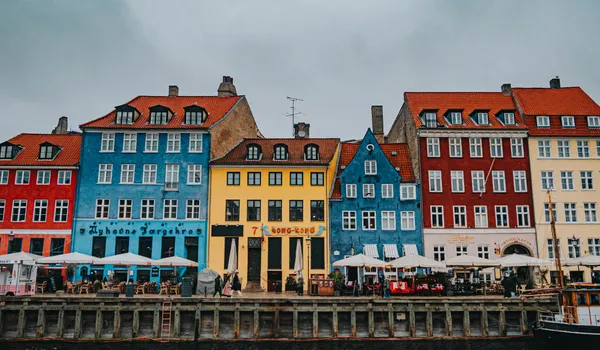
City🇩🇰 Copenhagen
 City
City🇸🇪 Stockholm
 City
City🇺🇾 Montevideo
 City
City🇺🇸 St. Augustine
 City
City🇺🇸 San Diego
 City
City🇺🇸 Savannah
 Region
🇮🇹 The Amalfi Coast and Naples
 Region
🇮🇹 Puglia
 City
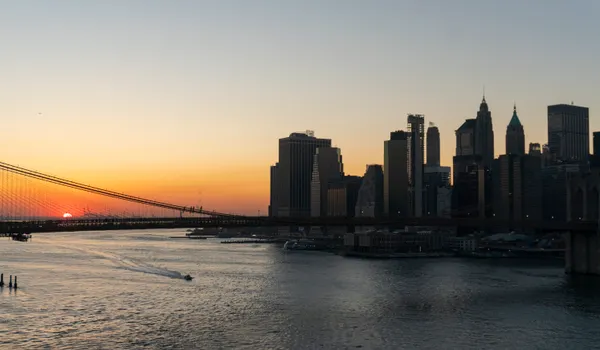
City🇺🇸 New York
 Countries