When to go to the Yucatán?
→ The detailed month-by-month page, with real weather records
Best time: November to April
At a glance
Why go to the Yucatán?
The Yucatán Peninsula brings together everything that makes Mexico a dream: Caribbean beaches, ancient Mayan cities and cenotes of crystal-clear water. From Cancún to Tulum, the Riviera Maya unrolls a turquoise coastline fringed with jungle. It is an ideal gateway to Mayan culture without giving up beach-resort comfort.
Beyond the resorts, the Yucatán hides an exceptional heritage. Chichén Itzá, one of the New Seven Wonders of the World, sits alongside dozens of lesser-visited archaeological sites. Colonial towns such as Valladolid and Mérida charm with their colourful façades and easy pace of life. History is everywhere here, tangible and fascinating.
The cenotes, freshwater sinkholes set in the limestone, offer magical, refreshing swims. Add some of the most refined cooking in Mexico, sheltered lagoons and rich marine life, and you have a destination that has it all. The Yucatán is best enjoyed between lazy beach days, diving and cultural exploration.
Map of the Yucatán: what is where?
The map shows the 6 places covered in this guide, to picture the distances and plan your route.
- Chichen Itza
- Tulum ruins
- Cenote Ik Kil
- Cancun Hotel Zone
- Isla Mujeres
- Valladolid
How much does a trip to the Yucatán cost?
The Yucatán remains affordable compared with the United States or Europe, but Cancún and Tulum can push the bill up. The beach resorts are more expensive than the interior.
| Style | Per day | What it covers |
|---|---|---|
| Backpacker | €35-60/day | Hostel, buses and colectivos, street food and budget cenotes. |
| Comfort | €90-150/day | Mid-range hotel, hire car, restaurants and site entry fees. |
| Premium | €250+/day | All-inclusive resort or boutique hotel, private excursions and renowned restaurants. |
The Mexican peso (MXN) is the currency; cards are accepted in hotels and restaurants, but keep cash for markets, colectivos and cenotes.
Is the Yucatán safe?
The Yucatán is one of the safest regions in Mexico and very popular with international travellers. The precautions are the usual ones: watch your belongings on the beach, use official taxis and secure ATMs. On the road, avoid driving at night and keep to the speed limits. In cenotes and at sea, follow the swimming and diving instructions for your own safety.
What to see and do in the Yucatán
- the beaches of Cancún
- Tulum
- Chichén Itzá
- the cenotes
- Playa del Carmen
Chichen Itza
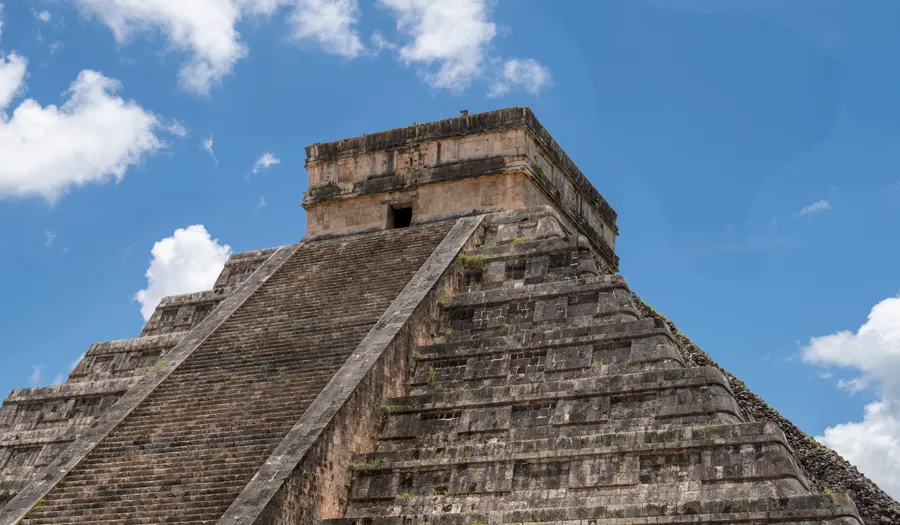
Mexico's most famous Mayan city, Chichén Itzá impresses with its pyramid of Kukulcán, perfectly aligned with the solar calendar. A UNESCO World Heritage Site voted a wonder of the world, it draws crowds from opening time. You will also find a ball court and an observatory. Arrive early to beat the heat and the crowds.
Tulum ruins

The only Mayan city built by the sea, Tulum overlooks a white sand beach and turquoise water. The archaeological site, more modest than Chichén Itzá, wins you over with its spectacular clifftop setting. It is easy to combine the visit with a swim below the ruins. Sunrise here is particularly magical.
Cenote Ik Kil

An iconic cenote near Chichén Itzá, Ik Kil is a circular open-air sinkhole draped with vines and trickling waterfalls. You walk down a staircase cut into the rock before plunging into cool, deep water. The very photogenic spot is best visited early to enjoy the calm. A refreshing dip after visiting the nearby ruins.
Cancun Zona Hotelera
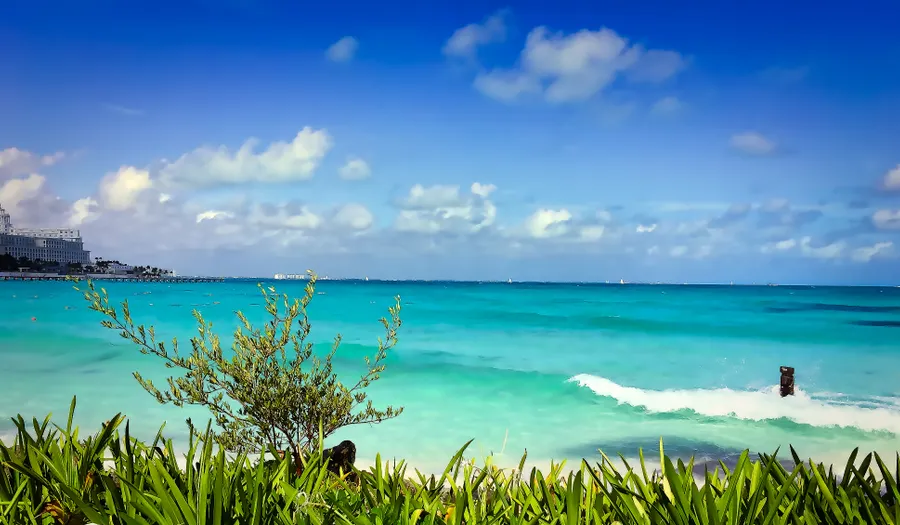
A long strip of white sand lined with big hotels, Cancún's Hotel Zone is the embodiment of Caribbean beach tourism. The turquoise sea is ideal for swimming and water sports. Public beaches such as Playa Delfines offer superb views. It is a comfortable base from which to explore the region.
Isla Mujeres

A small, peaceful island facing Cancún, Isla Mujeres is about twenty minutes away by ferry. Its beaches, including Playa Norte, rank among the most beautiful in the Mexican Caribbean. You get around by golf cart and snorkel with turtles and rays. A perfect escape from the bustle of the coast.
Valladolid

A charming colonial town in the heart of the Yucatán, Valladolid wins people over with its pastel streets and authentic atmosphere. Its cathedral, convents and Yucatecan cooking make it a popular stop. Several cenotes are tucked away nearby, some right in town. An ideal base for exploring Chichén Itzá and the interior.
How many days, and which itinerary?
Allow 8 to 12 days to combine beaches, cenotes, Mayan sites and colonial towns without rushing.
🗺️ Day-by-day itinerary · 📓 Free printable Yucatán guide (PDF) · 🌍 All of Mexico
Riviera Maya (7 days)
Cancún, Playa del Carmen and Tulum, with swims in the cenotes and a visit to Chichén Itzá. Beaches and Mayan culture in concentrated form.
Authentic Yucatán (10 days)
Add Valladolid and Mérida to discover the colonial towns and the hidden cenotes of the interior. A more cultural, more local trip.
Grand tour (12 days)
From Cancún to Mérida via Tulum, the Bacalar lagoon and the less-visited Mayan sites. The complete itinerary for taking in the whole peninsula.
Getting there and getting around
A hire car gives you the most freedom to reach cenotes, ruins and villages at your own pace.
ADO buses, comfortable and punctual, link the main towns and tourist sites cheaply.
Colectivos (shared minibuses) serve the Riviera Maya cheaply between Cancún and Tulum.
Regular ferries link Cancún with Isla Mujeres and Playa del Carmen with Cozumel.
Where to stay in the Yucatán?
Hostels and small hotels: around €25 to 50 a night, especially in Valladolid and the interior.
Mid-range hotels in Playa del Carmen or Tulum: €70 to 130 for a double room.
Boutique hotels and charming cabañas on the coast: €150 to 250 a night.
All-inclusive resorts in Cancún and on the Riviera Maya: €300 and up a night.
Our places to stay, stop by stop, at three budgets →
What to eat in the Yucatán?
Cochinita pibil, marinated pork cooked in a banana leaf, the Yucatán's signature dish.
Tacos, quesadillas and antojitos to enjoy in markets and at street stalls.
Fresh fish and seafood, especially ceviche and Caribbean octopus.
Sopa de lima and cochinita served with home-made tortillas in local cantinas.
Entry requirements
No visa for stays of up to 180 days with a passport, for EU, UK, US, Canadian and Australian citizens. An officer decides the number of days on entry, so check it. Quintana Roo, the state of Cancún and Tulum, also charges a visitor tax (Visitax), paid online, and proof is asked for when you leave.
Rules change: check your own government's travel advice before you go.
Frequently asked questions about the Yucatán
When is the best time to visit the Yucatán?
From November to April, the dry season brings ideal weather. Avoid the rainy and hurricane season from June to October, which is hotter and more humid, as well as the influxes of sargassum seaweed in spring.
How many days should you spend in the Yucatán?
Allow at least 7 days for the Riviera Maya and Chichén Itzá, and 10 to 12 days to add Valladolid, Mérida and the cenotes of the interior.
What daily budget should you plan for?
Around €35 to 60 a day as a backpacker, €90 to 150 for a comfortable trip, more in an all-inclusive resort.
How do you get around the Yucatán?
A hire car is ideal for exploring freely; ADO buses and colectivos are a cheaper alternative between towns and sites.
Where should you stay in the Yucatán?
Playa del Carmen or Tulum for the coast and the cenotes, Valladolid or Mérida for colonial atmosphere and access to the Mayan sites of the interior.
Similar destinations
 Country
🇧🇷 Brazil
 Region
🇫🇷 Guadeloupe
 Region
🇫🇷 Martinique
 Region
🇬🇷 Crete
 Country
🇭🇷 Croatia
 Country
🇺🇸 The American West
 City
City🇺🇸 Florida
 City
City🇧🇷 Rio de Janeiro
 City
City