When to go to the Dominican Republic?
→ The detailed month-by-month page, with real weather records
Best time: December to April (dry season)
At a glance
Why go to the Dominican Republic?
The Dominican Republic is about more than its postcard beaches, even if they rank among the finest in the Caribbean. It is also home to the first city founded by Europeans in the New World, a mountain range topping 3000 metres and mangroves teeming with life. The country packs into a single island a variety of landscapes rare in the region. You can go from white sand to rainforest in a few hours' drive.
The Dominican mood is warm and set to the beat of merengue and bachata, both born right here. Locals have a gift for celebration and a spontaneous welcome that leaves a lasting mark on travellers. Creole cooking, rum and cigars are an integral part of the local art of living. It is hard to stay a mere spectator for long.
It is a destination that suits every kind of traveller, from couples seeking lazy beach days to hikers hungry for summits. Tourist infrastructure is solid around Punta Cana, but the interior remains authentic and affordable. You can watch humpback whales in winter or climb the highest peak in the Antilles. Few destinations offer such range.
Map of the Dominican Republic: what is where?
The map shows the 6 places covered in this guide, to picture the distances and plan your route.
- Santo Domingo
- Punta Cana
- Samaná
- Los Haitises
- Bahía de las Águilas
- Jarabacoa
How much does a trip to the Dominican Republic cost?
The country suits every pocket, from backpackers to travellers after beach luxury. Price gaps between the authentic interior and the Punta Cana resorts are significant.
| Style | Per day | What it covers |
|---|---|---|
| Backpacker | €35-50/day | Guesthouses, guaguas and local eateries (comedores) |
| Comfort | €80-130/day | Boutique hotels, hire car and organised excursions |
| Premium | €200+/day | Upmarket all-inclusive resorts and private transfers |
The currency is the Dominican peso, but the US dollar is widely accepted in tourist areas.
Is the Dominican Republic safe?
The Dominican Republic is a generally safe destination for travellers, provided you use the usual common sense. Tourist areas are well supervised, but it is best not to flash valuables and to use official taxis at night. Petty crime exists in some neighbourhoods of Santo Domingo, as in any big city. On unsupervised beaches, watch out for currents that can be strong. Stay alert and your trip will go smoothly.
What to see and do in the Dominican Republic
- Punta Cana
- Saona Island
- Samaná
- colonial Santo Domingo
- whale watching
Colonial Zone of Santo Domingo

A UNESCO World Heritage Site, the Ciudad Colonial is the cradle of colonial America. You wander between the continent's first cathedral and first hospital, through a maze of cobbled lanes lined with 16th-century buildings. Calle Las Damas is the oldest paved street in the Americas. Cafés and galleries bring the district to life as evening falls. It is a fascinating dive into the early days of the Spanish conquest.
Punta Cana
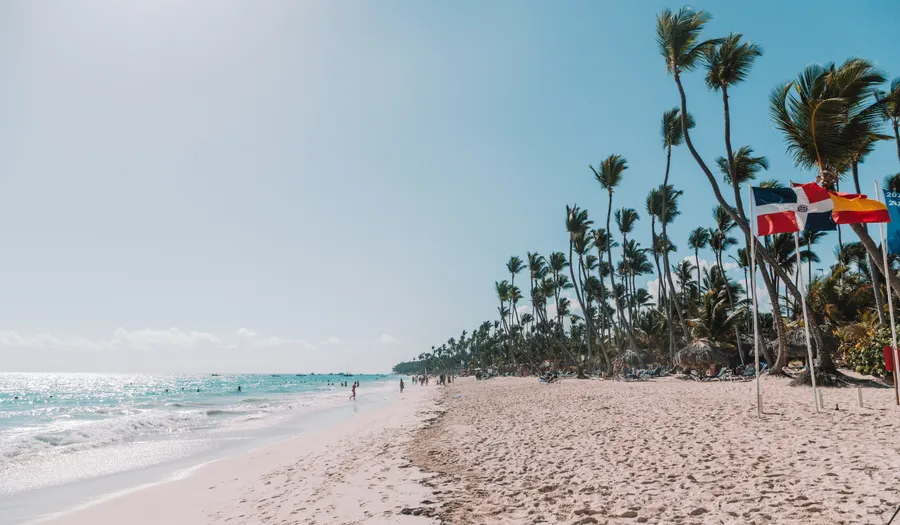
Punta Cana is the Caribbean postcard made real, with the endless beaches of Bávaro and Cabeza de Toro. Turquoise water, coconut palms and powdery sand make it a renowned beach paradise. It is the realm of all-inclusive resorts, but also a starting point for Saona and Catalina. Water-sports fans are in their element, from snorkelling to diving. The climate is mild almost all year round.
Samaná Peninsula and humpback whales

Every winter, from January to March, thousands of humpback whales gather in Samaná Bay to breed. Watching these giants is one of the most moving natural spectacles in the Caribbean. The peninsula also charms with the El Limón waterfall and wild Playa Rincón. Los Cayos and Cayo Levantado add a castaway touch. It is a greener, more intimate region than the rest of the country.
Los Haitises National Park

This protected park is a labyrinth of mangroves, jungle-clad limestone hills and caves decorated with Taíno petroglyphs. You explore it by boat, threading between karst islets rising from the water. The wildlife is exceptional, with pelicans, frigatebirds and a host of seabirds. The caves preserve traces of rock art left by the island's first inhabitants. It is a breathtaking nature escape.
Bahía de las Águilas

Often cited as the most beautiful beach in the country, Bahía de las Águilas is a strip of immaculate sand several kilometres long, completely unspoilt. Tucked into Jaragua National Park, in the far south-west, it remains untouched by mass tourism. You reach it by boat or 4x4, which keeps the crowds away. The water is unreally clear. It is a sanctuary for lovers of pristine nature.
Jarabacoa and the Cordillera Central
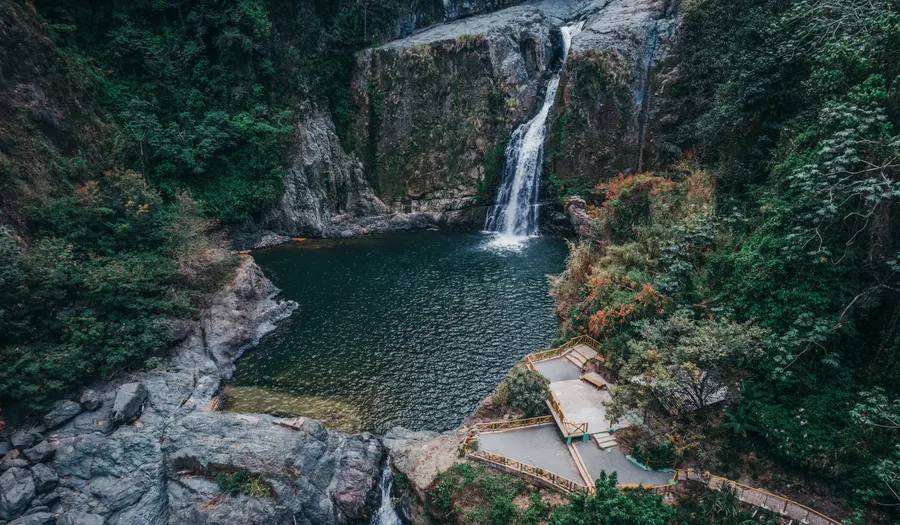
Nicknamed the city of eternal spring, Jarabacoa offers a striking contrast with the tropical coasts. Nestled in the mountains, it offers rafting, canyoning and hikes to beautiful waterfalls such as the Salto de Jimenoa. It is the starting point for climbing Pico Duarte, the highest summit in the Antilles. The cool climate and lush vegetation make it a breath of fresh air. Coffee lovers will find renowned plantations here.
How many days, and which itinerary?
Allow 10 to 14 days to combine beaches, colonial heritage and nature escapes in the interior.
🗺️ Day-by-day itinerary · 📓 Free printable Dominican Republic guide (PDF)
Caribbean essentials (7 days)
Two days in Santo Domingo's Colonial Zone for the history, then on to Punta Cana for the beaches and a trip to Saona Island. A relaxed pace, ideal for a first taste of the country.
Nature and whales (10 days)
From Santo Domingo, head to the Samaná Peninsula to watch the whales and explore Los Haitises. Finish with a few days unwinding on the beaches of Las Terrenas. An itinerary focused on wildlife and wild landscapes.
Grand Dominican tour (14 days)
A complete circuit linking Santo Domingo, Jarabacoa and its mountains, Samaná, then the great south-west as far as Bahía de las Águilas. You see both faces of the country, from cool summits to deserted beaches.
Getting there and getting around
A hire car offers the most freedom, but driving can be lively and secondary roads uneven.
Long-distance buses run by Caribe Tours and Metro are comfortable, reliable and very cheap between the main cities.
Guaguas, local minibuses, criss-cross the country for a few pesos, an authentic option but often packed.
For long east-west crossings, domestic flights or private tourist shuttles save precious time.
Where to stay in the Dominican Republic?
Hostels and guesthouses in the Colonial Zone or Las Terrenas, from €20-30 a night for tight budgets.
Boutique and charming hotels in Samaná or Jarabacoa: allow €60-100 for good comfort.
All-inclusive resorts in Punta Cana and Bayahibe, from €120 to €250 per person depending on standard and season.
Eco-lodges in the Cordillera Central, around €80-120, perfect for nature lovers.
Our places to stay, stop by stop, at three budgets →
What to eat in the Dominican Republic?
Rice, red beans and meat make up la bandera dominicana, the national dish served at lunchtime.
Sancocho, a hearty stew of meats and root vegetables, warms palates on feast days.
Seafood reigns on the coasts, notably grilled fish and garlic prawns.
Local rum and mountain coffee round off a meal perfectly.
Entry requirements
No visa for EU, UK, US, Canadian and Australian passports: 30 days on the tourist card, already included in your air fare, and a fee is paid on departure for longer stays. Everyone must fill in the free e-ticket form online before flying in and again before flying out, and carry a return or onward ticket.
Rules change: check your own government's travel advice before you go.
Frequently asked questions about the Dominican Republic
When is the best time to go?
The dry season, from December to April, offers the best climate, with plenty of sunshine and little rain. To see the humpback whales in Samaná, aim for January to March. The hurricane season runs from June to November.
What daily budget should you plan for?
Allow around €40 a day backpacking, €100 for a comfortable trip and over €200 for an upmarket all-inclusive. Excursions and transfers can quickly push the bill up.
How do you get around?
Caribe Tours and Metro buses link the main cities cheaply and in good comfort. A hire car gives more freedom to explore the interior. In town, use official taxis or ride-hailing apps.
Is the tap water safe to drink?
No, drinking bottled water throughout your stay is strongly recommended. Most hotels provide purified water. Also avoid ice in less reliable places.
Similar destinations
 Country
🇧🇷 Brazil
 Region
🇲🇽 Baja California
 City
City🇹🇭 Koh Samui
 City
City🇭🇷 Hvar
 Region
🇫🇷 The French Riviera
 City
City🇪🇸 Mallorca
 Country
🇬🇷 Greece
 Country