When to go to Dubai?
→ The detailed month-by-month page, with real weather records
Best time: November to March
At a glance
Why go to Dubai?
Dubai is an outsized city that sprang from the desert in just a few decades. Here you'll find the world's tallest tower, palm-shaped artificial islands and shopping malls the size of whole neighbourhoods. This race for superlatives fascinates as much as it intrigues, and plays out as a non-stop show. Nothing seems impossible, from indoor skiing to giant dancing fountains.
But Dubai is not just a futuristic showcase. The old district of Deira and the historic creek recall its past as a trading post, with souks of gold and spices. Crossings by abra, the traditional wooden boats, plunge you into a more authentic atmosphere. This contrast between tradition and hypermodernity is what gives the city its flavour.
It is also an ideal gateway to the desert and a global air hub. Beaches, tax-free shopping, dune safaris and international cuisine are easy to combine. Safe and well organised, Dubai works as well for a stopover of a few days as for a full holiday.
Map of Dubai: what is where?
The map shows the 6 places covered in this guide, to picture the distances and plan your route.
- Burj Khalifa
- Dubai Mall
- Palm Jumeirah
- Deira Gold Souk
- Dubai Fountain
- Dubai Desert (Al Marmoom)
How much does a trip to Dubai cost?
Dubai can be expensive but remains accessible if you avoid luxury excesses.
| Style | Per day | What it covers |
|---|---|---|
| Backpacker | €50-80/day | Hostel in Deira, metro, street food and free attractions such as the fountains. |
| Comfort | €120-200/day | Mid-range hotel, a few paid attractions and good restaurants. |
| Premium | €400+/day | Beachfront palace hotel, private safari, fine dining and luxury shopping. |
Cards are accepted everywhere; keep a few dirhams for abras, taxis and souks.
Is Dubai safe?
Dubai ranks among the safest cities in the world, with crime almost non-existent. The main precaution concerns the summer heat, extreme from June to September, which calls for hydration and air-conditioned spaces. Respect local rules: modest dress in public places, no overly demonstrative displays of affection and no alcohol outside licensed venues. During Ramadan, do not eat or drink in public during the day. With a little common sense, your stay will go smoothly.
What to see and do in Dubai
- the Burj Khalifa
- Dubai Mall and its fountains
- a desert safari
- Palm Jumeirah
- the gold and spice souks
Burj Khalifa
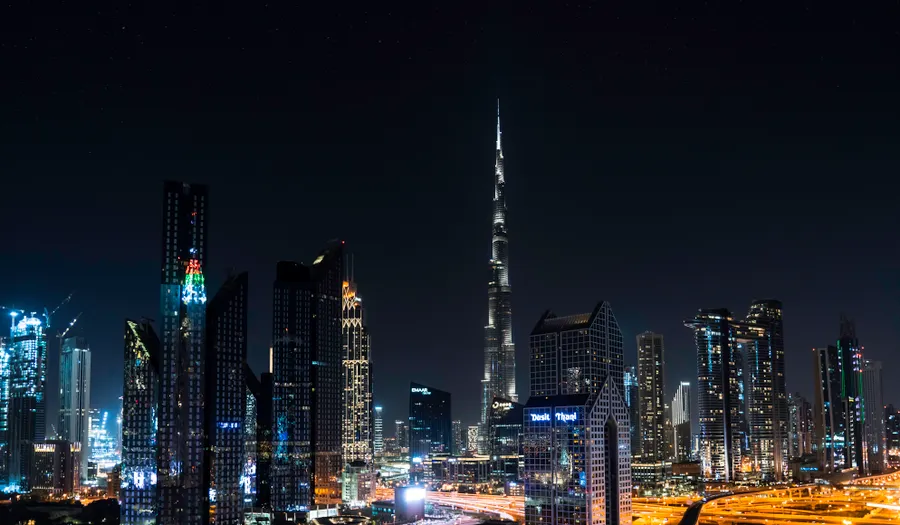
The world's tallest tower rises more than eight hundred metres and dominates the whole city. The At the Top observation decks offer dizzying views, especially at sunset. The ultra-fast lift climbs dozens of floors in seconds. Book online to skip the queues and secure the golden-hour slot.
Dubai Mall

One of the largest shopping centres in the world holds far more than shops. There's a giant aquarium, an ice rink, an indoor waterfall and hundreds of restaurants. It is also the starting point for the Burj Khalifa and the fountains. Allow several hours, as the complex is vast.
Palm Jumeirah

This palm-shaped artificial island is visible from space. It gathers luxury hotels, private beaches and the famous Atlantis resort. A monorail runs along it to its tip. The views of the skyline from the beaches on the crescent are spectacular.
Deira Gold Souk

In old Dubai, this market lines up windows groaning under gold jewellery. The atmosphere is lively and haggling is the norm. A stone's throw away, the spice souk is fragrant with saffron and incense. The nicest way to get there is to cross the creek on a traditional abra.
Dubai Fountain
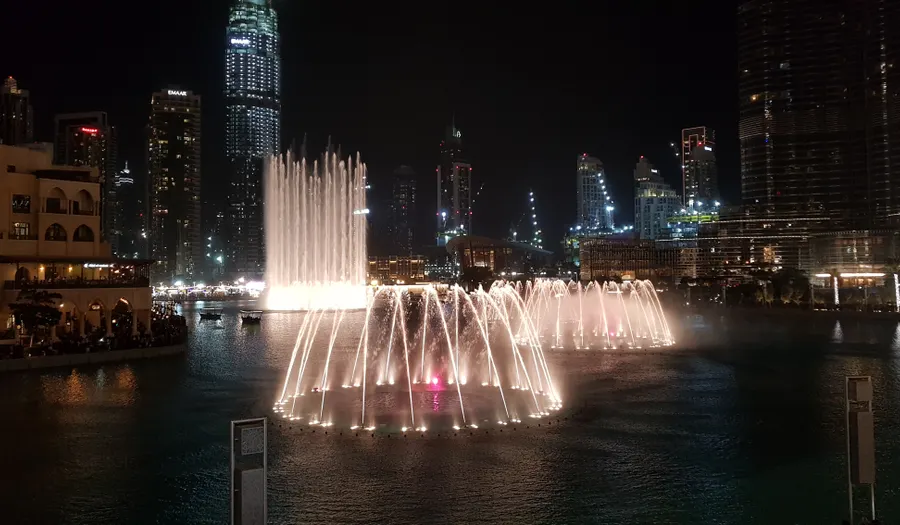
At the foot of the Burj Khalifa, these giant fountains dance to music from around the world. Jets of water soar more than a hundred metres in a ballet of light. The free shows run every half hour in the evening. The lake is lined with terraces perfect for watching the show.
Desert dunes (safari)

Less than an hour from the city, the red dunes call for a 4x4 safari. On the programme: dune bashing, a camel ride and sunset over the sand. The camps offer a Bedouin dinner and shows under the stars. It is the essential excursion for escaping the city.
How many days, and which itinerary?
Three to four days cover the essentials of Dubai, five with the desert and a day to relax.
🗺️ Day-by-day itinerary · 📓 Free printable Dubai guide (PDF)
Dubai stopover (2 days)
Spend one day on the Burj Khalifa, Dubai Mall and the fountains, then old Dubai and its souks. The second day combines Palm Jumeirah, the beach and a desert safari at sunset.
Essential Dubai (4 days)
Spread the must-sees over three days, adding Dubai Marina, Jumeirah beach and the Al Fahidi district. Keep one day for the desert and an evening to unwind.
Dubai and the desert (5 days)
Combine the city, a safari with a night in a camp and a day in neighbouring Abu Dhabi for the Sheikh Zayed Grand Mosque. Ideal for discovering the Emirates beyond Dubai alone.
Getting there and getting around
The modern, clean, air-conditioned metro serves the main sights along the red line.
Taxis are plentiful, cheap and reliable, and the Careem app works like Uber.
Abras cross the creek in old Dubai for small change, an experience in itself.
Hiring a car is handy for the desert and Abu Dhabi, with good motorways.
Where to stay in Dubai?
Hostels and budget hotels in Deira, room or dorm from €20 to €45.
Mid-range hotels in Bur Dubai or near the metro, allow €60 to €120.
Large hotels in Downtown or Dubai Marina with pool, from €130 to €250.
Palace hotels on Palm Jumeirah and luxury resorts, often over €350 a night.
Our places to stay, stop by stop, at three budgets →
What to eat in Dubai?
Try shawarma and Lebanese mezze, found everywhere in the city and cheap.
Emirati cuisine offers machboos, spiced rice with chicken or lamb.
Friday brunches, lavish and festive, are a local institution.
The Deira district is packed with tasty little Indian and Pakistani restaurants.
Entry requirements
No visa needed in advance: EU, UK, US, Canadian and Australian passports get a free entry stamp on arrival, valid for 90 days in any 180. Your passport must be valid for six months after arrival.
Rules change: check your own government's travel advice before you go.
Frequently asked questions about Dubai
When is the best time to visit Dubai?
From November to March, the weather is pleasant and sunny, perfect for the beaches and the desert. Avoid the summer, from June to September, when the heat becomes stifling.
How many days should I spend in Dubai?
Two to three days are enough for the must-sees, four to five if you add the desert, the beach and a trip to Abu Dhabi.
What daily budget for Dubai?
Around €60 a day as a backpacker, €120 to €200 for comfort and over €400 for a luxury stay with palace hotels and premium experiences.
How do I get around Dubai?
The metro serves the main sights, taxis and Careem are cheap, and the abra crosses the creek to old Dubai.
Which area should I stay in in Dubai?
Downtown is ideal for the Burj Khalifa, Dubai Marina for nightlife and beaches, and Deira for a budget, authentic stay.
Similar destinations
 Country
🇲🇽 Mexico
 Country
🇦🇺 Australia
 Country
🇦🇪 Dubai and Abu Dhabi
 Country
🇲🇦 Morocco
 Country
🇹🇭 Thailand
 City
City🇺🇸 California
 Country
🇹🇷 Turkey
 City
City🇹🇷 Bodrum
 City
City🇯🇵 Hokkaido
 City
City