When to go to Dubai and Abu Dhabi?
→ The detailed month-by-month page, with real weather records
Best time: November to March
At a glance
Why go to Dubai and Abu Dhabi?
In a few decades the United Arab Emirates have packed in a transformation that takes other countries centuries. Where dunes and fishing villages once stretched, the tallest towers in the world now rise, along with palm-shaped artificial islands. This race for the colossal fascinates as much as it raises questions, but it leaves no one indifferent. You come here to see how far human ambition can go.
Reducing the Emirates to Dubai and its shopping malls would mean missing the essential. Abu Dhabi cultivates a more cultural elegance with its Louvre and its immaculate mosque, Sharjah preserves an authentic heritage, and the interior hides oases and mountains. An hour from the glass towers, the desert reclaims its rights and offers a striking contrast. The country turns out to be more nuanced than it first appears.
The Emirati experience rests on a consummate art of contrast and comfort. You ski on an indoor slope while it is forty degrees outside, and dine at the top of a skyscraper before sharing Bedouin tea under the stars. Luxury is everywhere, but the desert stays free and grandiose. It is a destination that fully embraces its taste for the spectacular.
Map of Dubai and Abu Dhabi: what is where?
The map shows the 6 places covered in this guide, to picture the distances and plan your route.
- Dubai and the Burj Khalifa
- Abu Dhabi, Sheikh Zayed Mosque
- Desert and dune safari
- Sharjah
- Al Ain
- Gulf islands and beaches
How much does a trip to Dubai and Abu Dhabi cost?
The Emirates offer a wide range of prices, from backpacking to high luxury. Accommodation and paid activities are the most variable items.
| Style | Per day | What it covers |
|---|---|---|
| Backpacker | €50-90/day | Hostels, street food, the metro and free public beaches. |
| Comfort | €130-250/day | 4-star hotels, restaurants, a desert safari and attraction tickets. |
| Premium | €400+/day | Luxury resorts, exclusive experiences, gourmet dinners and private transfers. |
The UAE dirham is the local currency; cards are accepted everywhere, with cash only useful for the souks and taxis.
Is Dubai and Abu Dhabi safe?
The United Arab Emirates rank among the safest countries in the world, with extremely low crime and a discreet but effective police presence. No vaccinations are required and medical facilities are of an international standard. The main point of vigilance is strict respect for local laws, which are tougher than in Europe on alcohol, dress and behaviour in public. Summer heat can be extreme, calling for hydration and caution between June and September.
What to see and do in Dubai and Abu Dhabi
- the Burj Khalifa in Dubai
- the Sheikh Zayed Mosque in Abu Dhabi
- a dune safari
- the souks and old quarters
- the beaches and resorts
Dubai and the Burj Khalifa
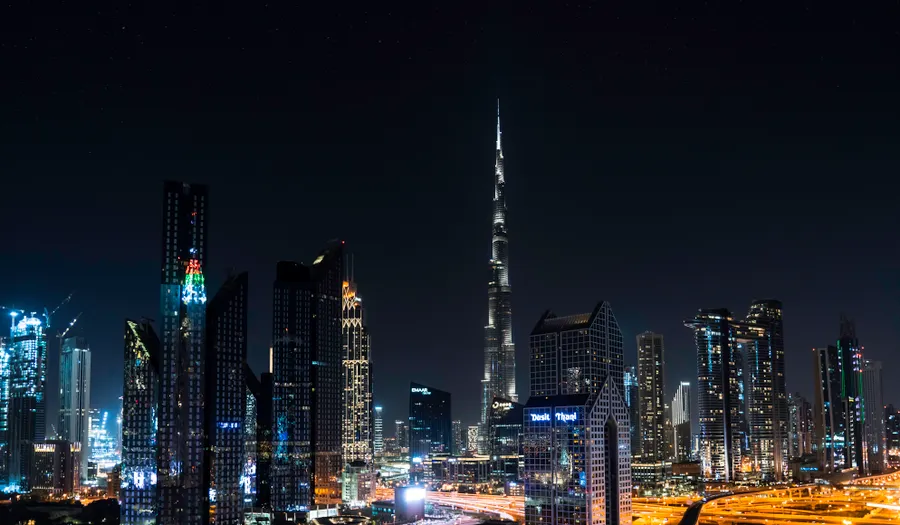
The tallest tower in the world peaks at 828 metres and dominates a city born from the desert in a single generation. From the observation decks, the view takes in the artificial islands, the Gulf and the vast sands. At the foot of the tower, the dancing fountains of Dubai Mall put on a free night-time show. The district alone sums up the emirate's spirit of excess.
Abu Dhabi and the Sheikh Zayed Mosque
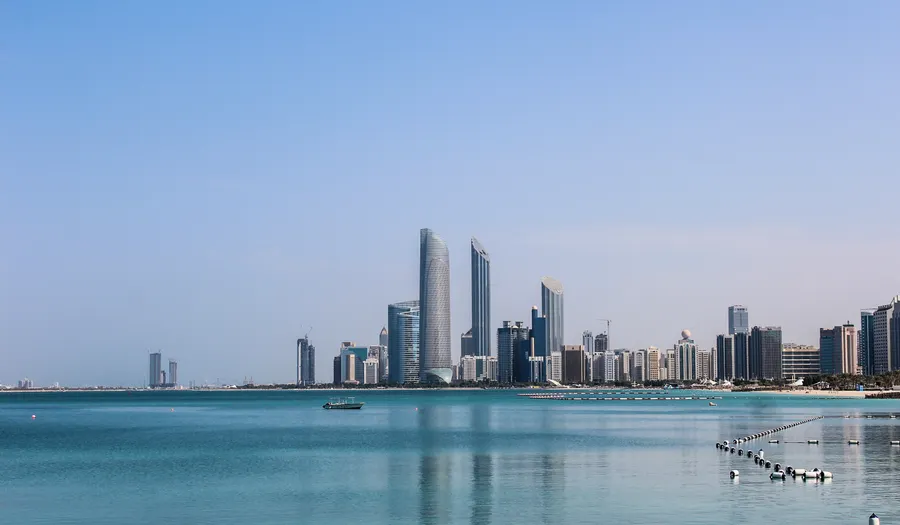
The Sheikh Zayed Grand Mosque is among the largest in the world, with its white domes and mother-of-pearl inlaid columns. Its main carpet, hand-woven, is the largest ever made. The visit, free and respectful, dazzles with the purity of the marble at sunset. Nearby, the Louvre Abu Dhabi spreads its latticed dome above a rain of light.
Desert and dune safari

An hour from Dubai, the red dunes of the Al Maha desert offer the perfect counterpoint to the skyscrapers. 4x4 safaris string together dizzying descents, camel rides and sunsets over the crests. In the evening, the camps lay on dinners under canvas, dancing and stargazing. It is a chance to reconnect with the Arabia that existed before the towers.
Sharjah

Dubai's quieter neighbour, Sharjah was named cultural capital of the Arab world for its commitment to heritage. Its museums, Blue Souk and restored waterfront tell the story of life before oil. The city, more conservative, bans alcohol but wins you over with its authenticity. It is an ideal escape for understanding the roots of the region.
Al Ain

Tucked against the Omani border, the oasis of Al Ain is a World Heritage Site for its palm groves irrigated by an ancient canal system. Far from the towers, you discover historic forts, a camel market and hot springs. Jebel Hafeet, the mountain overlooking the city, offers a spectacular winding road to the summit. The garden city embodies a greener, more peaceful face of the Emirates.
Gulf islands and beaches

The Emirati coastline lines up white-sand beaches and artificial islands devoted to lazing about. Palm Jumeirah, visible from space, packs in resorts, private beaches and water parks. The warm waters of the Gulf are good for swimming all year round and for water sports. For more calm, the public beaches of Jumeirah offer a free and lively alternative.
How many days, and which itinerary?
Four to five days are enough to combine Dubai, Abu Dhabi and a night in the desert, a week if you add Sharjah and Al Ain.
🗺️ Day-by-day itinerary · 📓 Free printable Dubai and Abu Dhabi guide (PDF)
Dubai and Abu Dhabi essentials (5 days)
Two days in Dubai between the Burj Khalifa, souks and fountains, then a day in Abu Dhabi for the mosque and the Louvre. A night in a desert camp breaks up the urban pace. A packed formula, but ideal for a first visit.
The complete Emirates (7 days)
To the classic circuit add Sharjah for culture and Al Ain for its oases and mountain. You alternate urban excess, heritage and nature at a balanced pace. This version suits those who want to go beyond the postcard.
Luxury and relaxation stopover (3 days)
Designed as a short interlude, this formula blends beach time on the Palm, a spa and dinner up high. A half-day dune safari adds a touch of adventure. Perfect for an extended stopover between two flights.
Getting there and getting around
The Dubai Metro, modern and cheap, efficiently serves the emirate's main sights along the Red Line.
Taxis and apps such as Careem are plentiful, air-conditioned and affordable for journeys the metro does not cover.
Car hire makes travel between the emirates easier, with excellent motorways but sometimes tricky parking in city centres.
Comfortable intercity buses link Dubai to Abu Dhabi and Sharjah for just a few euros.
Where to stay in Dubai and Abu Dhabi?
Hostels and budget hotels in Dubai or Sharjah: €30 to €60 a night, often out of the centre.
Well-located mid-range hotels with a pool: €80 to €150 for a double room.
Beach resorts and design hotels on the Palm or in the Marina: €180 to €350 a night.
Legendary palaces and suites overlooking the Burj Khalifa: €500 and well beyond.
Our places to stay, stop by stop, at three budgets →
What to eat in Dubai and Abu Dhabi?
Shawarma, a sandwich of spit-grilled meat, the cheap and unmissable staple of street food.
Machboos, rice spiced with cloves and cinnamon served with lamb or chicken, a traditional Emirati dish.
Luqaimat, golden fritters drizzled with date syrup, the signature dessert of local tables.
Grilled hammour, Gulf grouper served with saffron rice, a coastal speciality.
Entry requirements
No visa needed in advance: EU, UK, US, Canadian and Australian passports get a free entry stamp on arrival, valid for 90 days in any 180. Your passport must be valid for six months after arrival.
Rules change: check your own government's travel advice before you go.
Frequently asked questions about Dubai and Abu Dhabi
When is the best time to visit?
The ideal season runs from November to March, with mild temperatures suited to sightseeing and the beach. Summer, from June to September, is scorching and spent mostly inside air-conditioned spaces.
What daily budget should I plan?
A thrifty traveller gets by on €60 to €90 a day, while a comfortable stay comes to around €150 to €250. Luxury, which is everywhere, can push the bill up very quickly.
How do I get between Dubai and Abu Dhabi?
The metro covers Dubai, but to reach Abu Dhabi the intercity bus or a hire car is the way to go; allow about two hours. Taxis and ride-hailing apps efficiently fill in for short trips.
Can you drink alcohol in the Emirates?
Yes, in Dubai and Abu Dhabi alcohol is served in licensed hotels and restaurants, but never in public. Sharjah, more conservative, bans it completely within its territory.
Similar destinations
 City
City🇦🇪 Dubai
 Country
🇲🇽 Mexico
 Country
🇦🇺 Australia
 City
City🇹🇷 Bodrum
 City
City🇦🇺 Sydney
 Country
🇪🇸 Spain
 City
City🇪🇸 Barcelona
 City
City🇵🇹 Lisbon
 City
City🇮🇪 Dublin
 Country