When to go to Positano?
→ The detailed month-by-month page, with real weather records
Best time: May to June and September to October
At a glance
Why go to Positano?
Positano is not so much visited as descended. Clinging to the cliffs of the Amalfi Coast in Campania, the village stacks its ochre, pink and white houses all the way down to the Tyrrhenian Sea, in a cascade of colour that seems to defy gravity. There is no real town centre here, more a long ribbon of stairways tumbling down the slope, punctuated by bougainvillea, lemon trees and hanging terraces. You arrive at the top, reach the beach at the bottom, and in between you pass through a setting that painters, writers and travellers have described for generations.
Local legend has it that whoever comes to Positano comes back, and you quickly see why. The colourful majolica dome of the church of Santa Maria Assunta signs off the postcard, the Spiaggia Grande spreads its pebbles and parasols beneath the facades, and the Moda Positano boutiques dress the lanes in light dresses and made-to-measure leather sandals. It is a tiny village, fewer than four thousand inhabitants, but its name resonates far beyond Italy, carried by cinema, haute couture and a certain idea of Mediterranean dolce vita.
Still, this beauty comes at a price, literally and figuratively. Positano is among the most expensive places in Italy, and the summer crowds can turn its stairways into queues. So you come knowing what to expect, ideally in spring or early autumn, when the light is soft, the sea already warm and the lanes finally breathable. Approached the right way, the village keeps all its promises: a few days are enough to catch its rhythm, between swims, boat trips and long evenings facing the sunset.
Map of Positano: what is where?
The map shows the 5 places covered in this guide, to picture the distances and plan your route.
- Spiaggia Grande
- Santa Maria Assunta Church
- Fornillo Beach
- Via Cristoforo Colombo
- Li Galli Islets
How much does a trip to Positano cost?
Positano is among the most expensive destinations in Italy, and prices rise sharply in high season. Here are three daily spending profiles per person, excluding transport to the region, as a guide.
| Style | Per day | What it covers |
|---|---|---|
| Budget | around €90 to €130 a day | Guesthouse room higher up or lodging in a neighbouring village, meals in trattorias away from the beach, travel by SITA bus and free public beaches such as Fornillo. |
| Comfort | around €180 to €300 a day | Well-located boutique hotel, terrace dinners with a view, sunloungers rented on the Spiaggia Grande and a shared boat trip along the coast. |
| Luxury | from €400 a day | Seafront hotel with private terrace, gourmet restaurants, private boat hire with skipper and made-to-measure handmade sandals. |
The euro is the currency. Bank cards are accepted in most hotels, restaurants and shops, but it is wise to keep a little cash for small purchases, some cafés and artisans. ATMs exist but are few and far between in the village: plan ahead before heading down.
Is Positano safe?
Positano is a very safe village, where you can get around without worry day and night. The main danger lies in its topography: steep stairways, uneven steps and sharp slopes call for good shoes and a bit of stamina, particularly in strong heat. The SS163 coast road, narrow and winding, calls for caution if you are driving. In summer, crowds can saturate the lanes and beaches, but petty crime remains rare. Simply stay hydrated, protect yourself from the sun and keep an eye on your belongings on crowded beaches.
What to see and do in Positano
- the cascading pastel houses
- the Spiaggia Grande
- the dome of Santa Maria Assunta
- the sandal shops
- sunsets over the sea
The vertical village and the Spiaggia Grande

The first sight of Positano has to be earned: it appears from the road or from a boat, when the whole village comes into view at once, stacked on its cliff. The houses huddle together, mixing ochre, pale pink, cream and the green of hanging gardens. At the foot of this stone pyramid stretches the Spiaggia Grande, the main beach, carpeted with pebbles and lined with rows of parasols. It is the beating heart of the village, where the ferries arrive and where you take the pulse of the day. You rent a sunlounger, dive into clear water, or simply settle in to watch the scenery. In the evening, the lights come on one by one and the cliff becomes an illuminated theatre.
The church of Santa Maria Assunta

You cannot miss its dome covered in yellow, green and blue majolica tiles, which catches the light and serves as a landmark for the whole village. The church of Santa Maria Assunta, standing just above the Spiaggia Grande, holds a discreet treasure: a Byzantine Black Madonna, a revered icon which, tradition says, gave Positano its name. The interior, plain and cool, offers a welcome break from climbing the stairs. You step in quietly, look up at the bright nave, and leave by the forecourt overlooking the beach. Around it, a few cafés and shops make the most of this central position. It is the village's natural meeting point, the one all the lanes eventually lead to.
The lanes and handmade sandals

In Positano you do not walk, you climb up and down. The village is a tangle of stairways and narrow passages, lined with whitewashed walls, overflowing bougainvillea and shop windows that invite you to browse. This is where Moda Positano was born in the fifties, with its floaty linen and cotton dresses, still made locally today. The great speciality remains leather sandals, stitched and fitted by hand by artisans who put them together in front of you in a few minutes. You choose the straps, the colour and the heel height, and leave shod to measure. Between shops, you come across ceramics workshops and grocers scented with lemon. Every lane offers its own glimpse of the sea.
Fornillo beach

When the Spiaggia Grande overflows, regulars slip away to Fornillo, the village's second beach. You reach it in about ten minutes by a pretty footpath along the cliff, passing beneath an old watchtower and a few coves. The atmosphere is calmer and more intimate, with laid-back beach clubs and a stretch of pebbles open to all. The water, just as clear, invites you to swim far from the bustle. It is the ideal spot for a lazy day, book in hand and feet in the water. The little access path, high above the sea, offers fine views of the coast in its own right. Many prefer it to the main beach for its more local atmosphere.
Sunsets and boat trips

Positano is also experienced from the water, and that may be where it reveals itself best. From the Spiaggia Grande, you set off on trips to the Li Galli islets, where legend places the song of the sirens, to the sea caves along the coast, or further still to Amalfi and Capri. The little harbour also rents out boats with or without a skipper, so you can plot your own route from cove to cove. But the most eagerly awaited moment remains sunset: as the sun slips behind the cliff, the village blazes orange and pink. Savour it from a terrace high up, glass in hand, or from the deck of a boat at anchor. It is the image you take home with you.
How many days, and which itinerary?
Two to three days are enough to savour Positano without rushing: one day for the village, its beaches and lanes, another for a boat trip or an outing to Amalfi and Ravello. Add a night or two and you can enjoy the early mornings and the evenings, when the day-trippers have gone and the village regains its calm.
🗺️ Day-by-day itinerary · 📓 Free printable Positano guide (PDF) · 🌍 All of the Amalfi Coast
2 days
On day one, wander down the village stairways to the Spiaggia Grande, visit the church of Santa Maria Assunta and its majolica dome, then stroll the lanes in search of a pair of made-to-measure sandals. The afternoon is spent with your feet in the water, before dinner facing the sunset. On day two, take the coastal path to Fornillo beach, swim in peace, then set off late in the day on a short boat trip along the coast.
3 days
Keep day one for getting a feel for Positano, between beach, church and boutiques. Day two is devoted to the sea: a boat trip to Li Galli, the sea caves or the island of Capri, with swims in the coves. On day three, treat yourself to an outing along the Amalfi Coast by bus or ferry to discover Amalfi, its cloister and cathedral, or climb up to Ravello and its terraced gardens. Back in Positano for a final dinner above the illuminated rooftops.
Getting there and getting around
Getting to Positano always takes some effort, as no train serves the village directly. From Naples or Salerno, first take a regional train to Sorrento, then the blue SITA buses that wind along the SS163, the famous Amalfi Coast road. Twisting, narrow and dizzying, it offers splendid panoramas but imposes a slow pace, especially in high season when traffic jams are frequent. The buses stop at the top of the village, at Chiesa Nuova or Sponda, from where you walk down the stairs.
The most pleasant option, and often the fastest in summer, is still the sea. Ferries and fast boats link Positano with Sorrento, Amalfi, Salerno and Capri, giving a spectacular arrival facing the village. Within Positano, everything is done on foot: a car is more of a hindrance than a help, given how narrow the streets are and how scarce and expensive parking is. A small orange local bus loops between the village's different levels, very handy for avoiding long climbs up the stairs in the sun.
Where to stay in Positano?
Staying in Positano is expensive, and places with sea views reach high prices, especially between June and September. Boutique hotels clinging to the cliff offer unforgettable terraces, but you need to book well ahead and budget generously. To sleep in the heart of the village without breaking the bank, aim for guesthouses a little higher up, accepting a few extra steps in exchange for a gentler rate.
A smart alternative is to stay in neighbouring villages, often better connected and more affordable. Nearby Praiano offers the same clifftop setting in a more peaceful atmosphere, while Sorrento, well linked by train and ferry, is a practical base for exploring the whole coast. You gain in peace and budget, at the cost of a few journeys. Whatever you choose, booking early remains the golden rule on this much sought-after coast.
Our places to stay, stop by stop, at three budgets →
What to eat in Positano?
Positano's cooking celebrates the sea and the Mediterranean garden. Enjoy spaghetti alle vongole with clams, fried fresh fish, lemon linguine and Campania's buffalo mozzarella, served meltingly soft. Sun-ripened vegetables, aubergines, tomatoes and courgettes, accompany simple, generous dishes. For dessert, the delizia al limone, a small soft lemon dome, sums up the spirit of the Amalfi Coast on its own.
The lemon is a true institution here: grown on terraces on the slopes, it flavours dishes, ice creams and above all limoncello, the local liqueur readily offered at the end of a meal. As for where to eat, terraces with a view charge for their panorama, but a few more discreet trattorias, a little away from the beach, serve home-style cooking at more reasonable prices. A short espresso or a lemon granita on a shady terrace remains an affordable pleasure, even in this famously pricey village.
Entry requirements
Schengen area: an ID card or passport for EU citizens, 90 days visa-free for UK, US, Canadian and Australian passports.
Rules change: check your own government's travel advice before you go.
Frequently asked questions about Positano
When is the best time to visit Positano?
Spring, from May to June, and early autumn, in September and October, are ideal: the light is soft, the sea already warm and the village far less crowded than in high summer. July and August bring the biggest crowds and the highest prices, so avoid them if you can.
Is Positano really as expensive as they say?
Yes, it is one of the most expensive destinations in Italy, especially for accommodation and restaurants with a view. You can still keep your budget in check by staying a little higher up or in a neighbouring village, eating at discreet trattorias and making the most of the free public beaches.
How do you get to Positano?
No train serves the village directly. From Naples or Sorrento, you reach Positano by SITA bus along the SS163 coast road, or by ferry from Sorrento, Amalfi, Salerno or Capri. In summer, the sea route is often the fastest and most pleasant.
Do you need a car to visit Positano?
No, a car is more of a handicap: the streets are narrow, parking is scarce and expensive, and everything in the village is done on foot. Buses, ferries and a small local bus are more than enough for getting around and exploring the Amalfi Coast.
What can you do on a day trip from Positano?
You can set off on a boat trip to the Li Galli islets, the sea caves or the island of Capri, or head along the coast to discover Amalfi and its cathedral, then Ravello and its terraced gardens. Buses and ferries make these outings easy to organise.
Similar destinations
 City
City🇮🇹 Amalfi and Ravello
 City
City🇮🇹 Sorrento and the Path of the Gods
 City
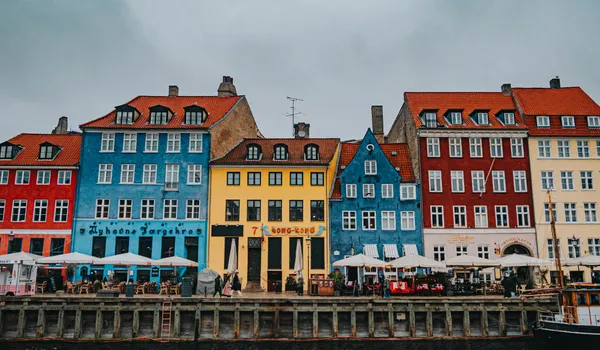
City🇩🇰 Copenhagen
 City
City🇳🇴 Bergen
 City
City🇬🇷 Corfu
 Region
🇳🇴 The Norwegian Fjords
 City
City🇳🇴 Oslo
 City
City🇮🇸 Reykjavík
 City
City🇸🇪 Stockholm
 City
City