
Best time to travel in Sequoia and Kings Canyon?
→ The detailed month-by-month page, with 2015-2024 averages
Best time: June to October
Best avoided if possible: December to April (less pleasant weather or big crowds).
Temperatures and rainfall: 1991-2020 normals from the Lodgepole (Sequoia) station, NOAA data (public domain).
Varies with altitude: hot, dry foothills, often above 35°C in summer at around 500 m; sequoia forests around 2,000 m, mild by day and cool at night; snow from November to April at altitude, with the Cedar Grove and Mineral King roads closed in winter. The best time to visit Sequoia is June, July, August, September and October, with temperatures reaching 22-25°C (July, Giant Forest). By contrast, January, February, March, April, May, November and December are generally less favourable (less pleasant weather or big crowds, depending on the destination), though a trip is still possible with a bit of planning. In high season, book early: prices and visitor numbers climb fast.
Go against the flow. To avoid the crowds without sacrificing too much on the weather, aim for May and November: the crowds thin out, prices drop too, and the climate stays pleasant.
Do these months appeal to you? See what's best elsewhere too: where to go in June · where to go in July · where to go in August · where to go in September · where to go in October.
At a glance
Why go to Sequoia and Kings Canyon?
Sequoia and Kings Canyon protect the largest giant sequoia forests on the planet, a species that grows naturally only along a 400 km strip of the western slope of the Sierra Nevada, between 1,400 and 2,400 metres above sea level. The Giant Forest alone holds more than 2,000 of them, including the General Sherman, the largest tree in the world, and the General Grant, the second largest. Walking at the foot of these red trunks 10 metres across, in a forest where they are the norm rather than the exception, changes the scale of everything you have seen before.
Sequoia National Park was created in 1890, a few days before Yosemite, making it the oldest US national park still in operation after Yellowstone, and Kings Canyon joined it in 1940. They have been managed together since 1943. Yet these trees, which have survived 2,000 years of fires, are under threat: the fires of 2020 and 2021, made worse by drought, killed between 13 and 19% of the world's large sequoias according to the National Park Service. You can see the charred trunks by the roadside, and the park replants and protects the groves with prescribed burns.
Finally, the two parks remain far less crowded than Yosemite, three hours' drive away, for landscapes that are just as varied: foothills of oak and yucca at 500 metres, sequoia forests at 2,000, and high-mountain meadows and lakes beyond, all the way to Mount Whitney, 4,421 metres, the highest summit in the United States outside Alaska, on the park's eastern boundary. Kings Canyon adds a deep glacial valley, Cedar Grove, where you sleep by the river far from any town.
Tourist map of Sequoia and Kings Canyon: what's where?
The map below pinpoints the 6 places covered in this guide: a handy way to picture the distances between each stop and plan your route in Sequoia and Kings Canyon.
- General Sherman Tree
- Moro Rock
- Tokopah Falls
- General Grant Tree
- Cedar Grove
- Mineral King
How much does a trip to Sequoia and Kings Canyon cost in 2026? Budget calculator
Estimate your budget for Sequoia and Kings Canyon based on your travel style: accommodation, meals, activities and local transport included (flights excluded). Adjust the length and the number of travellers, and the totals update.
Totals for all travellers over the chosen length; the daily amount is per person. Flights extra, indicative amounts to adjust depending on the season.
Cards are accepted everywhere in the parks, including at the entrances and in the campgrounds. Prices are shown before tax, so add about 8% in California. A tip of 18 to 20% is expected in restaurants. For a foreign visitor, the America the Beautiful pass, $250 or about €215, covers the entry and surcharge for its holder and all the passengers in their car, or for four people aged 16 and over where fees are charged per person, in every national park, which makes it pay off as soon as you also visit Yosemite.
Safety in Sequoia and Kings Canyon: should you be worried?
Rivers are the leading cause of death in both parks: the Kaweah and the Kings River are cold, fast and deceptive even in hot weather, so do not swim in spring and keep away from slippery banks. Black bears are common, harmless as long as food is stored in the lockers provided; keep 50 metres away. The Generals Highway is winding, so drive slowly and use the pull-outs to let others pass. In summer, the foothills exceed 38°C and ozone levels there often exceed health standards, so avoid exertion in the afternoon at low altitude. Fires can close roads and fill the region with smoke for days. Phone signal is almost non-existent, and the nearest hospital is in Visalia or Fresno. Insurance covering medical care in the United States is essential.
Things to see and do in Sequoia and Kings Canyon
Our first-hand favourites, and the great classics:
- General Sherman Tree
- Congress Trail
- Moro Rock
- Crescent Meadow
- Tokopah Falls
- General Grant Tree
- Kings Canyon Scenic Byway
- Zumwalt Meadow
What to book before you go to Sequoia and Kings Canyon →
🧭 Discover the Sequoia and Kings Canyon itinerary, day by dayMap, timings, budget and where to stay: free to access, to fit your dates. Create my tailor-made itinerary →Giant Forest

The heart of Sequoia, a plateau at 2,000 metres where more than 2,000 giant sequoias grow between meadows. The General Sherman and the Congress Trail are the gateway, but some sixty kilometres of trails let you get away within minutes. The Giant Forest Museum, in a stone and timber building from 1928, explains the life of the sequoia and the history of the village that occupied the forest until the 1990s, demolished to protect the roots. In summer, free shuttles link the museum, the Sherman, Moro Rock and Lodgepole.
Moro Rock and Crescent Meadow

South of the Giant Forest, a narrow 5 km road leads to the dome of Moro Rock, with its staircase of more than 350 steps and its view over the Great Western Divide, then to the Tunnel Log, a fallen sequoia cut through for cars, and to Crescent Meadow, a meadow where black bears are often seen. Tharp's Log, a hollow trunk that served as a cabin for a 19th-century rancher, is an hour's walk away. The High Sierra Trail sets off from here towards Mount Whitney, 115 km further east.
The foothills and Three Rivers

The south entrance on Route 198, at 500 metres, crosses a landscape of oaks, yuccas and green-watered rivers, very hot in summer. Hospital Rock bears rock paintings by the Monache, who lived along the Kaweah. The Generals Highway then climbs 1,500 metres in tight switchbacks up to the Giant Forest, and is not recommended for vehicles over 6.7 metres long. Three Rivers, just outside, is the park's gateway village: motels, restaurants, art galleries and swimming in the river when the level drops in late summer.
Grant Grove

The centre of Kings Canyon, 1 hr 15 from the Giant Forest via the Generals Highway. The General Grant, 81.7 metres tall, is the second largest tree in the world and the nation's official Christmas tree since 1926. The village has a visitor centre, a grocery store, a restaurant, the John Muir Lodge and cabins. 4 km away, Panoramic Point offers a view of the High Sierra crest, and Big Stump, at the entrance, shows the giant stumps left by the loggers of the 1880s, before the grove was protected.
Cedar Grove and Kings Canyon

At the end of Route 180, 50 km from Grant Grove, a glacial valley at the bottom of the Kings River canyon, framed by granite walls that rise more than 1,000 metres above it. Zumwalt Meadow, Roaring River Falls and Mist Falls, a 13 km round trip from Roads End, are the classic walks. Cedar Grove has a small lodge by the river, a grocery store and campgrounds, open from late spring to October. In the evening, with no phone signal, all you hear is the river.
Mineral King

A subalpine valley at 2,300 metres, in the south of Sequoia, reached by a narrow 40 km road with some 700 bends from Three Rivers, in 1 hr 30. A former 19th-century mining camp, it narrowly escaped becoming a Disney ski resort in the 1960s before being added to the park in 1978. The trails climb to cirque lakes, Monarch Lakes or Eagle Lake, and in spring the marmots chew through car hoses: visitors wrap their engines in tarpaulins. The road opens from about late May to late October.
How many days, and which itinerary in Sequoia and Kings Canyon?
Two days are enough for the Giant Forest, Moro Rock and Grant Grove. Three or four days add Tokopah Falls, the drive down to Cedar Grove and a proper hike. A week allows for Mineral King and a night in the high mountains, or a combination with Yosemite, three hours to the north.
🗺️ Day-by-day Sequoia and Kings Canyon itinerary · 📓 Printable Sequoia and Kings Canyon travel guide (PDF) · 🌍 Discover all of the American West
The essentials (2 days)
Day 1: south entrance from Three Rivers, a stop at Hospital Rock, up the Generals Highway, General Sherman and the Congress Trail in the morning, the Giant Forest Museum, then Crescent Meadow, the Tunnel Log and Moro Rock at sunset. Night at Wuksachi or Grant Grove. Day 2: Tokopah Falls in the morning from Lodgepole, then the drive to Grant Grove, General Grant Tree, Panoramic Point and exit via Route 180 towards Fresno.
Sequoia and Kings Canyon (4 days)
Two days in the Giant Forest as above, then a night at Grant Grove. Day 3: down the Kings Canyon Scenic Byway with stops at Junction View, Grizzly Falls, Roaring River Falls and Zumwalt Meadow, night at Cedar Grove. Day 4: Mist Falls from Roads End in the cool of the morning, a 13 km round trip, then back up to Grant Grove and out. This format only works from May to mid-November, when the Cedar Grove road is open.
The southern Sierra (1 week)
Two nights in Three Rivers for the foothills, Mineral King as a round trip and a swim in the Kaweah, two nights in the Giant Forest for the sequoias, Moro Rock and Tokopah Falls, two nights at Grant Grove and Cedar Grove for Kings Canyon, then on to Yosemite, three hours north via Fresno and Route 41, passing through Mariposa Grove. The America the Beautiful pass then pays for itself, as both parks are subject to the non-resident surcharge.
How to get to Sequoia and Kings Canyon and get around?
From Europe, the gateways are Los Angeles and San Francisco, both served non-stop from Paris by Air France in about 11 hours 30 minutes. Three Rivers, at the south entrance, is 330 km (205 miles) from Los Angeles, about 4 hours, and 400 km from San Francisco, about 4 hours 30. Fresno airport, 1 hr 30 from Grant Grove, requires a connection.
A car is essential for getting between the two parks. The Generals Highway, from the south entrance to the Giant Forest, is very winding and not recommended for vehicles over 6.7 metres long, which should enter via Route 180 from Fresno instead. There is no petrol station in the parks: fill up in Three Rivers or Fresno.
In summer, from late May to early September, the Sequoia Shuttle links Visalia and Three Rivers to the Giant Forest Museum, bookable at least 90 minutes in advance, for $15 return, about €13. Within the park, free shuttles with no booking needed serve the General Sherman, Moro Rock, Crescent Meadow and Lodgepole over the same period.
The parks do not require an entry reservation. In winter, chains may be required on the Generals Highway, Route 180 to Cedar Grove closes around mid-November and the Mineral King road at the end of October. Roadworks often cause waits of 15 to 30 minutes on the Generals Highway: check the park's conditions page before setting off.
Where to stay in Sequoia and Kings Canyon?
Within the parks, three properties are run by the concessionaire: Wuksachi Lodge, the only hotel in Sequoia, near Lodgepole, at €220-350 a night; the John Muir Lodge and the cabins at Grant Grove, in Kings Canyon; and Cedar Grove Lodge, by the river, open from late spring to October. Book several months ahead for summer.
Around fifteen campgrounds, $22-40 a night, are booked on recreation.gov, Lodgepole and those at Cedar Grove being the most sought after. Some close for certain seasons for works or flood damage. Backcountry camping requires a permit.
Three Rivers, 10 minutes from the south entrance, has rows of motels and lodges along the Kaweah, from €110 to €250 a night, most with a pool, which is handy when it is 38°C in the afternoon. It is the best base for Sequoia, 1 hour from the Giant Forest along the winding road.
Visalia, 1 hour from the south entrance, offers cheaper chain hotels and a lively town centre, and Fresno serves as a base for Kings Canyon. In the national forest between the two parks, Montecito Sequoia Lodge offers family-style holiday packages.
Our picks stop by stop, in three price ranges →
What to eat in Sequoia and Kings Canyon?
Restaurants in the parks are few: the dining room at Wuksachi Lodge serves dinners at $30-50, the Lodgepole Market and Grill burgers and sandwiches at $12-18, and the Grant Grove restaurant and the Cedar Grove grill simple food. Out of season, several of them close.
Do your shopping in Three Rivers, Visalia or Fresno before heading up, as the grocery stores at Lodgepole, Grant Grove and Cedar Grove are small and expensive. The San Joaquin Valley, just below, produces a large share of the country's fruit: roadside stands sell peaches, oranges and almonds depending on the season.
Three Rivers has a few restaurants popular with hikers, riverside terraces and breakfast cafés, plus a craft brewery. Visalia has Mexican restaurants and a small food scene in the town centre.
All food, cool boxes and scented products must go in the bear-proof lockers in the car parks, campgrounds and picnic areas, never in the car overnight: black bears are numerous in the Giant Forest and force car doors open. Never leave a meal unattended on a table.
Which kind of traveller is it for?
Sequoia and Kings Canyon lend themselves to a nature-focused and active trip. Whether you travel with family, as a couple or even solo, everyone finds their own pace. For accommodation, you will mostly find lodges, classic hotels and back-to-nature camping.
Entry requirements & practical info
UK, Australian and most EU passports need an ESTA, applied for online before departure, for stays of up to 90 days; a few EU countries sit outside the Visa Waiver Program and need a full visa. Canadians need neither, only a passport. Anyone who has been to Cuba since January 2021 cannot use an ESTA and must apply for a visa.
Rules change: before you leave, check your country's official travel advice.
Once there, to stay online without paying roaming charges, an Sequoia and Kings Canyon eSIM activates in a few minutes and works as soon as you land (plans from €3.99). Remember suitable travel insurance too.
Frequently asked questions about Sequoia and Kings Canyon
When is the best time to visit Sequoia and Kings Canyon?
From June to October, when all the roads are open. June offers waterfalls in full flow, July and August are the busiest, and September and October combine calm, mild temperatures and autumn colours. In spring, the Cedar Grove road may still be closed. In winter, the sequoias under snow can be explored on foot or on snowshoes, with chains on the car.
How much is the Sequoia and Kings Canyon entrance fee?
$35 per vehicle, about €30, valid for 7 days for both parks and all occupants, or $20 per pedestrian. Since 1 January 2026, each visitor aged 16 and over who is not a US resident pays an extra $100, about €86. The America the Beautiful pass for non-residents, $250, covers the entry and this surcharge for its holder and all the passengers in their car, and is worth it if you also visit Yosemite.
Do you need a reservation to enter Sequoia National Park?
No, no entry reservation is required. Only accommodation, campgrounds and backcountry permits are booked in advance. In summer and at weekends, arrive early: the General Sherman and Moro Rock car parks fill up by mid-morning.
What is the difference between Sequoia and Kings Canyon?
Sequoia, to the south, has the largest sequoias in the Giant Forest, along with Moro Rock and Tokopah Falls. Kings Canyon, to the north, includes Grant Grove and the General Grant, then a deep glacial canyon that you descend to Cedar Grove. The two parks are contiguous, linked by the Generals Highway, and share the same ticket.
How far is Sequoia from Yosemite?
About 3 hours' drive between Grant Grove and the south entrance of Yosemite, via Fresno and Route 41, and 4 hours to Yosemite Valley. Most travellers combine the two parks on a week-long road trip from San Francisco or Los Angeles.
Can you see bears in Sequoia?
Yes, black bears are common in the Giant Forest, around Crescent Meadow and Lodgepole, especially early in the morning and late in the day. Despite their name, their coat is often brown or cinnamon. Stay 50 metres away, never feed them and store all food in the bear-proof lockers.
Similar destinations
 Countries
🇨🇦 Canada
 City
City🇧🇴 Salar de Uyuni and Sur Lípez
 City
City🇨🇦 Charlevoix and Tadoussac
 City
City🇨🇦 The Laurentians and Mont-Tremblant
 Countries
🇦🇷 Argentina
 City
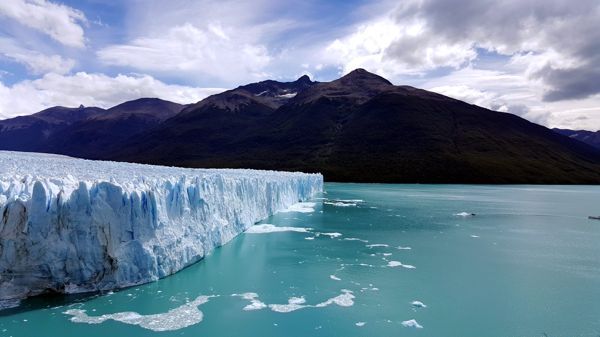
City🇦🇷 El Calafate and the Perito Moreno Glacier
 Countries
🇵🇪 Peru
 City
City🇵🇪 Cusco and Machu Picchu
 Countries
🇨🇷 Costa Rica
 Countries