When to go to the Seychelles?
→ The detailed month-by-month page, with real weather records
Best time: April to June and September to November
At a glance
Why go to the Seychelles?
The Seychelles line up beaches so perfect they seem unreal: powdery sand, pink granite boulders sculpted by time and translucent water. This archipelago of more than one hundred and fifteen islands, scattered north of Madagascar, cultivates a laid-back, unspoilt way of life. People come for pure beauty, but also discover endemic nature of exceptional ecological value.
Contrary to popular belief, the Seychelles are not reserved for wealthy honeymooners. Creole guesthouses, rentals and family-run lodgings let you explore the main islands without breaking the bank, by relying on local food and public transport. The real luxury here is space, silence and beaches that are often deserted even in high season.
Three islands hold most of the highlights: lively Mahé, Praslin and its coco de mer forest, and timeless La Digue, explored by bike. Beyond them, remote atolls such as Aldabra shelter giant tortoises and ecosystems found nowhere else on Earth. The Seychelles thus strike a rare balance between beach idleness and naturalist wonder.
Map of the Seychelles: what is where?
The map shows the 6 places covered in this guide, to picture the distances and plan your route.
- Mahé (Beau Vallon)
- Praslin (Vallée de Mai)
- La Digue (Anse Source d'Argent)
- Curieuse Island
- Aldabra Atoll
- Sainte Anne Marine Park
How much does a trip to the Seychelles cost?
The Seychelles have a reputation as an expensive destination, largely deserved when it comes to accommodation and imported goods. A savvy guesthouse stay is still possible, however.
| Style | Per day | What it covers |
|---|---|---|
| Backpacker | €70-120/day | Creole guesthouse, takeaways and the market, bus and ferry, free beaches and hikes. |
| Comfort | €180-300/day | Boutique hotel, a few boat trips, restaurants and car hire. |
| Premium | €500+/day | Luxury resort or private island, top-end activities and fine dining; the bill climbs fast on the island hotels. |
The currency is the Seychelles rupee; cards work in hotels and shops, but keep cash for takeaways and small markets.
Is the Seychelles safe?
The Seychelles are among the safest destinations in the Indian Ocean, with welcoming people and little violent crime. The main nuisances are pickpocketing and break-ins at rentals: lock away your valuables and leave nothing on the beach. There is no malaria in the archipelago and no vaccinations are compulsory, though protecting yourself against dengue is wise. At sea, follow swimming guidance, as some beaches are exposed to strong currents depending on the season.
What to see and do in the Seychelles
- Anse Source d'Argent
- La Digue island
- the Vallée de Mai on Praslin
- giant tortoises
- snorkelling on the reefs
Mahé and Beau Vallon
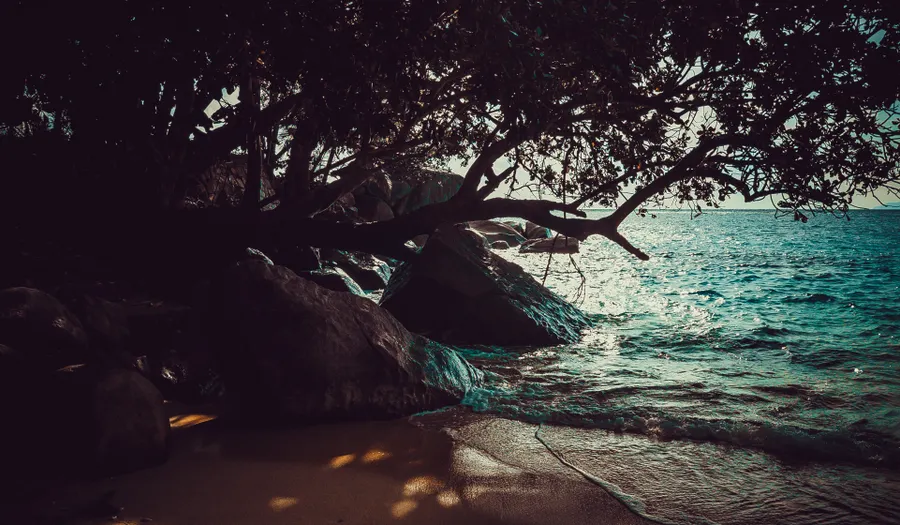
The archipelago's main island, Mahé is home to the capital Victoria, one of the smallest in the world, and its colourful market. Beau Vallon bay, a long, lively beach in the north-west, gathers hotels, restaurants and dive clubs. The mountainous interior of Morne Seychellois National Park offers hikes and lush forests. Mahé is the gateway for most trips and a distillation of the Seychellois spirit.
Praslin and the Vallée de Mai

The archipelago's second island, Praslin is famous for the Vallée de Mai, a UNESCO-listed primeval forest. Here you can admire the coco de mer, the largest seed in the world, and the rare Seychelles black parrot. Its beaches, including Anse Lazio, rank among the most beautiful on the planet. Praslin also serves as a springboard to the neighbouring islands of La Digue and Curieuse.
La Digue and Anse Source d'Argent

La Digue keeps to the rhythm of another age, where bicycles and ox carts replace cars. Its beach, Anse Source d'Argent, framed by monumental granite boulders, is one of the most photographed in the world. You explore the island on two wheels, between vanilla plantations and secret coves. Its peaceful, timeless atmosphere is its greatest treasure.
Curieuse Island

A short hop from Praslin, Curieuse is a sanctuary for hundreds of giant tortoises roaming free. You land here on day trips, combining swimming, a mangrove trail and a barbecue lunch on the beach. The island was once a leper colony, of which a few historic remains survive. Its red sand beaches and fish-filled waters delight lovers of nature and snorkelling.
Aldabra Atoll
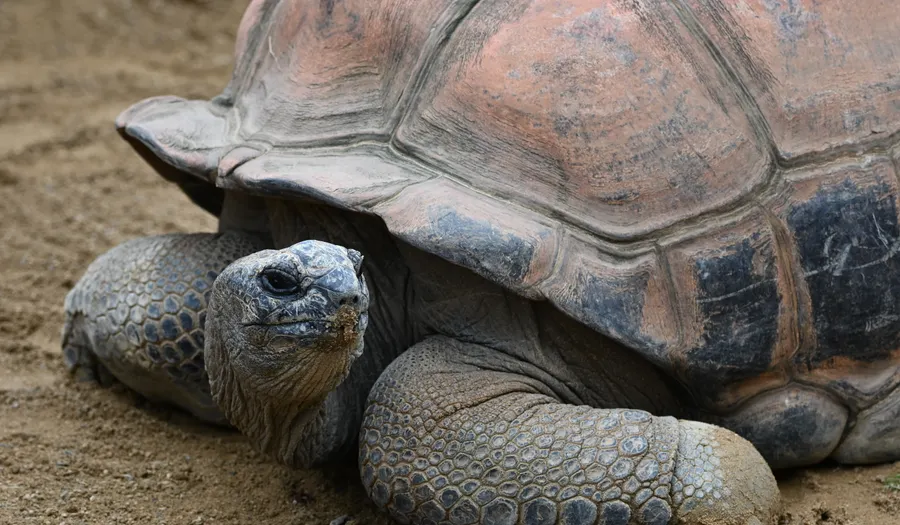
Aldabra, one of the largest coral atolls in the world, is an isolated gem and a UNESCO World Heritage Site. It is home to the largest population of giant tortoises on the planet, along with marine and bird life shielded from any human pressure. Its very restricted access, more than a thousand kilometres from Mahé, makes it the privilege of rare expeditions. This is the Galápagos of the Indian Ocean, a near-pristine sanctuary.
Sainte Anne Marine Park

Opposite Victoria, this marine park protects several islets and coral beds that can be visited on a day trip. Snorkelling, glass-bottom boat viewing and swimming set the pace of these family outings. The coral gardens shelter multicoloured fish, sea turtles and rays. It makes an ideal nature escape close to Mahé, with no complicated logistics.
How many days, and which itinerary?
Allow at least a week for the three main islands; ten to twelve days to wander without rushing.
🗺️ Day-by-day itinerary · 📓 Free printable Seychelles guide (PDF)
The essential island trio (8 days)
Split your stay between Mahé, Praslin and La Digue, linked by fast ferry. Legendary beaches, the Vallée de Mai and bike rides make up a distilled Seychelles. A balanced pace between lazing and discovery.
Seychelles nature (11 days)
This itinerary adds excursions to Curieuse, Sainte Anne and the protected reserves to the three main islands. Expect plenty of snorkelling, encounters with tortoises and hikes in the Morne Seychellois. Ideal for lovers of wildlife and marine life.
Creole downtime (7 days)
A base on Mahé and La Digue for a stay centred on the beach, Creole cooking and the slow pace of island life. A few boat trips are enough to punctuate the days of rest. Perfect for switching off without heavy logistics.
Getting there and getting around
Fast ferries link Mahé, Praslin and La Digue several times a day; book ahead in high season.
Small planes connect Mahé and Praslin in around fifteen minutes to save time.
On Mahé and Praslin, hire cars and cheap public buses make getting around easy.
On La Digue, the bicycle is king: a few electric taxis and carts complete the options on this almost car-free island.
Where to stay in the Seychelles?
Guesthouses and Creole family lodgings: from around €60 to €100 a night, often with breakfast included.
Small boutique hotels and self-catering: around €120 to €220 a night depending on the island and season.
Comfortable beachfront hotels: generally €250 to €450 a night.
Luxury resorts and private island hotels: easily €600 to €2,000 and more a night, in an exceptional setting.
Our places to stay, stop by stop, at three budgets →
What to eat in the Seychelles?
Seychellois Creole cooking gives pride of place to fresh fish, curried, grilled or in salads, seasoned with gentle spices.
Fruit bat curry and octopus in coconut milk are among the most typical local specialities.
Tropical fruit, from breadfruit to mango, accompanies meals and fills the market stalls.
Creole takeaways and Victoria market serve tasty, affordable meals far from hotel prices.
Entry requirements
No visa needed for EU, UK, US, Canadian and Australian passports: a free visitor's permit for up to three months is issued on arrival. Every visitor must first apply and pay online for a Travel Authorisation (seychelles.govtas.com), with proof of accommodation and a return ticket.
Rules change: check your own government's travel advice before you go.
Frequently asked questions about the Seychelles
When is the best time to go?
April-May and October-November, between the two monsoons, offer the best combination of calm seas and clear skies. The dry season from May to September is ideal for hiking, while December to March is hotter and more humid.
What daily budget should I plan for?
Allow around €70 to €120 a day staying in guesthouses, €180 to €300 for a comfortable trip, and from €500 a day in a luxury resort.
Are there any health risks?
There is no malaria in the archipelago and no vaccinations are compulsory. Mosquito protection is still advisable against dengue, and bottled water is preferable on some islands.
How do you get between the islands?
Fast ferries link Mahé, Praslin and La Digue several times a day, and small planes serve Praslin. On the islands, hire cars dominate on Mahé and Praslin, while La Digue is explored mostly by bike.
Similar destinations
 Country
🇲🇺 Mauritius
 Country
🇹🇿 Tanzania
 Country
🇲🇻 The Maldives
 Country
🇵🇫 French Polynesia
 City
City🇵🇫 Bora Bora
 Region
🇪🇨 The Galápagos Islands
 City
City🇵🇫 Moorea
 City
City🇲🇬 Nosy Be
 City
City🇸🇪 Stockholm
 City
City