
Best time to travel in Yosemite?
→ The detailed month-by-month page, with 2015-2024 averages
Best time: May to June, September to October
Best avoided if possible: December to March (less pleasant weather or big crowds).
Temperatures and rainfall: 1991-2020 normals from the Yosemite Valley station, NOAA data (public domain).
Mediterranean mountain climate: dry, hot summers in the valley, at 1,200 m, around 32°C in July, much cooler at Tuolumne Meadows, at 2,600 m; snowy winters at altitude, with Tioga Road and Glacier Point Road closed from November to May or June. The best time to visit Yosemite is May, June, September and October, with temperatures reaching 30-32°C (July, in the valley). By contrast, January, February, March, April, July, August, November and December are generally less favourable (less pleasant weather or big crowds, depending on the destination), though a trip is still possible with a bit of planning. In high season, book early: prices and visitor numbers climb fast.
Go against the flow. To avoid the crowds without sacrificing too much on the weather, aim for April and November: the crowds thin out, prices drop too, and the climate stays pleasant.
Do these months appeal to you? See what's best elsewhere too: where to go in May · where to go in June · where to go in September · where to go in October.
At a glance
Why go to Yosemite?
Yosemite fits into a valley 11 km long and 1.6 km wide that glaciers carved into the granite of the Sierra Nevada, leaving sheer walls of nearly 1,000 metres on either side, from which a dozen waterfalls tumble in spring. El Capitan, Half Dome, Yosemite Falls and Bridalveil Fall can all be seen from the flat valley floor, where you get around by free shuttle and by bike between meadows and the Merced River. Few landscapes on this scale reveal themselves with so little effort.
It is also the birthplace of the national park idea. Abraham Lincoln entrusted the valley and Mariposa Grove to California as early as 1864, eight years before Yellowstone, and the naturalist John Muir secured the creation of the national park around it in 1890. Ansel Adams made most of his work here, and the climbers of Camp 4, in the 1950s and 1960s, invented modern big-wall climbing here. The park has been a UNESCO World Heritage Site since 1984.
Finally, Yosemite is about more than its valley: 95% of its 3,000 km² is designated wilderness. To the south, the giant sequoias of Mariposa Grove; to the north, the Tioga Road climbs between lakes and domes up to 3,000 metres; to the west, Hetch Hetchy, a twin valley drowned by a dam. Nearly 4 million visitors come every year, but most of them stay in the valley: an hour's walk from the car parks, you find the quiet again.
Tourist map of Yosemite: what's where?
The map below pinpoints the 6 places covered in this guide: a handy way to picture the distances between each stop and plan your route in Yosemite.
- Tunnel View
- Yosemite Falls
- Glacier Point
- Mariposa Grove
- Tuolumne Meadows
- Hetch Hetchy
How much does a trip to Yosemite cost in 2026? Budget calculator
Estimate your budget for Yosemite based on your travel style: accommodation, meals, activities and local transport included (flights excluded). Adjust the length and the number of travellers, and the totals update.
Totals for all travellers over the chosen length; the daily amount is per person. Flights extra, indicative amounts to adjust depending on the season.
Cards are accepted everywhere in the park, including at the campground payment boxes. Prices are shown before tax, so add 7 to 9% in California depending on the county. A tip of 18 to 20% is expected in restaurants. For a foreign visitor, the America the Beautiful pass, $250 or about €215, covers the entry and surcharge for its holder and all the passengers in their car, or for four people aged 16 and over where fees are charged per person, in every national park, which makes it pay off as soon as you add a second park concerned to Yosemite, such as Sequoia.
Safety in Yosemite: should you be worried?
Yosemite's risks are natural. The rivers, especially the Merced in spring, are cold and fast: never swim above a waterfall and keep away from slippery banks, as drowning is the leading cause of death in the park. Do not leave the trails near the cliffs of Glacier Point, Taft Point or Half Dome, and give up on the Half Dome cables at the slightest threat of a storm. The park has several hundred black bears, harmless as long as food is stored in the bear-proof lockers; stay 50 metres away from them. In summer, the heat exceeds 30°C in the valley and the trails are exposed, so set off early with 3 litres of water. Wildfires can close roads in summer and degrade the air for days. Phones only work in the valley and near the villages; a clinic operates in Yosemite Village and the nearest hospital is in Mariposa or Fresno. Insurance covering medical care in the United States is essential.
Things to see and do in Yosemite
Our first-hand favourites, and the great classics:
- Tunnel View
- El Capitan
- Yosemite Falls
- Mist Trail
- Half Dome
- Glacier Point
- Mariposa Grove
- Tioga Road and Tuolumne Meadows
What to book before you go to Yosemite →
🧭 Discover the Yosemite itinerary, day by dayMap, timings, budget and where to stay: free to access, to fit your dates. Create my tailor-made itinerary →Yosemite Valley

The heart of the park, at 1,200 metres, where the hotels, campgrounds, visitor centre and most of the trails are concentrated. A free shuttle links the stops in the eastern part of the valley, and 19 km of paved cycle paths let you loop around by bike, with rentals at Yosemite Valley Lodge and Curry Village. The Yosemite Museum presents the culture of the Ahwahneechee, the valley's first inhabitants, and the Ansel Adams Gallery sells prints by the photographer. In February, Horsetail Fall glows like fire at sunset for a few days a year, a phenomenon nicknamed the Firefall.
Glacier Point and Taft Point

On the south side, an hour's drive from the valley, the Glacier Point overlook towers 975 metres above the valley floor, facing Half Dome. Taft Point and Sentinel Dome, on the same road, are each reached by a 3.5 km round trip: the first is a platform at the edge of the drop, the second a bare dome with a 360-degree view. The Four Mile Trail links Glacier Point to the valley with 1,000 metres of elevation change. In winter the road is closed beyond the Badger Pass ski area, the starting point for cross-country skiing and snowshoe outings.
Mariposa Grove and Wawona

At the south entrance, 1 hr 15 from the valley, Mariposa Grove is home to more than 500 giant sequoias, including the Grizzly Giant, about 3,000 years old. A free shuttle runs up from the Welcome Plaza from early May to November. Wawona, 10 km away, is a historic hamlet with a covered bridge and the Pioneer Yosemite History Center, which brings together pioneer cabins. It is the first stop for anyone arriving from Fresno on Route 41, and quieter than the valley.
Tioga Road and Tuolumne Meadows

Open only in summer, Route 120 crosses the high country for 63 km up to Tioga Pass, at 3,031 metres. Olmsted Point shows the back of Half Dome, Tenaya Lake invites you to swim from its sandy beaches, and Tuolumne Meadows spreads out at 2,600 metres at the foot of the domes. The trails here already start at altitude, without the climb from the valley: Cathedral Lakes, an 11 km round trip, and Lembert Dome, 4.5 km, are the most popular. Temperatures stay pleasant up here when the valley tops 30°C.
Hetch Hetchy

A twin of Yosemite Valley, in the north-west of the park, flooded in 1923 by the O'Shaughnessy Dam to supply San Francisco with water, despite John Muir's fight against it. The reservoir is lined with granite walls and waterfalls, Tueeulala and Wapama, reached by an 8 km round-trip trail that crosses the dam and then a tunnel. The area receives a fraction of the valley's visitors. The road is open only during the day, with hours that vary by season, and there is no accommodation or restaurant.
Mono Lake and the eastern side

At the foot of Tioga Pass, 20 km from the east entrance, Mono Lake is a very old salt lake with no outlet, its shores bristling with limestone tufa towers that formed underwater and were exposed when Los Angeles diverted its tributaries. South Tufa, on the south shore, is explored along a 1.6 km trail. The village of Lee Vining, on the lakeshore, serves as a base for the east of the park, with a few motels and an information centre about the lake. This side can only be reached from the valley when the Tioga Road is open.
How many days, and which itinerary in Yosemite?
Two days cover the valley, Tunnel View and Glacier Point. Three or four days add Mariposa Grove, a big hike such as the Mist Trail or Upper Yosemite Fall, and the Tioga Road in summer. A week allows for Half Dome, Hetch Hetchy and the eastern side as far as Mono Lake.
🗺️ Day-by-day Yosemite itinerary · 📓 Printable Yosemite travel guide (PDF) · 🌍 Discover all of the American West
The essentials (2 days)
Day 1: arrive on Route 41, Mariposa Grove in the morning by shuttle, Tunnel View in the early afternoon, then the valley: the Lower Yosemite Fall loop, El Capitan Meadow and sunset on Half Dome from Sentinel Bridge. Day 2: the Mist Trail to the top of Vernal Fall in the morning, a picnic by the Merced, then Glacier Point late in the day for sunset, with Taft Point on the way if your legs allow.
Valley and high country (4 days)
The first two days in the valley and at Glacier Point. Day 3: Upper Yosemite Fall, or Nevada Fall via the Mist Trail and the John Muir Trail, the big hiking day. Day 4: the Tioga Road heading east, Olmsted Point, a swim in Tenaya Lake, Lembert Dome at Tuolumne Meadows, over Tioga Pass and a night in Lee Vining on the shore of Mono Lake, to carry on towards Death Valley or Highway 395. This format only works from June to October, when the road is open.
Yosemite and the Sierra (1 week)
Two nights in Fish Camp or Oakhurst for Mariposa Grove and Glacier Point, three nights in the valley or in El Portal for the hikes, Half Dome if you have the permit, and Hetch Hetchy as a round trip from Groveland, then two nights on the eastern side, in Lee Vining, for Tuolumne Meadows at dawn, the tufa towers of Mono Lake and the hot springs of the Owens River valley. The return to San Francisco takes 5 hours via the Tioga Road, or the loop carries on south towards Sequoia and Kings Canyon.
How to get to Yosemite and get around?
From Europe, the gateway is San Francisco, served non-stop by airlines such as Air France and United (about 11 hours 30 minutes from Paris). The valley is then 310 km (195 miles) away, a 4-hour drive via Route 120 or Route 140. Fresno airport, 150 km from the valley, is closer but requires a connection.
A car remains the most flexible option, hired at San Francisco or Fresno airport. There is no petrol station in the valley: those at Crane Flat and Wawona are the only ones on the park's main roads, at higher prices than outside. Snow chains may be required in winter, even for a hire car.
Without a car, YARTS buses link the park to Merced, which has an Amtrak station, all year round via Route 140, and in summer to Fresno, Sonora and Mammoth Lakes. In the valley, the free shuttle runs every 10 to 20 minutes, and a free shuttle serves Mariposa Grove from the south entrance.
The park does not require an entry reservation in 2026: when it gets saturated, rangers temporarily close some car parks or divert traffic. In summer, enter before 9am, park once for the day in the valley and get around by shuttle or bike. The roads are slow: allow 1 hr 15 between the valley and Mariposa Grove or Tuolumne Meadows.
Where to stay in Yosemite?
In the valley, The Ahwahnee, a stone and timber hotel from 1927, costs €500-800 a night, Yosemite Valley Lodge, at the foot of Yosemite Falls, €250-400, and Curry Village offers canvas tents on wooden platforms and a few rooms. Reservations open about a year ahead and summer fills up very quickly.
The park's campgrounds, about $36 a night, or €31, are booked on recreation.gov, often within minutes of the slots opening. Camp 4, a legendary climbing spot, works by a lottery held the day before in season. Sleeping in your car outside a campground is forbidden.
El Portal, at the west entrance, and Fish Camp, at the south entrance, are the closest bases outside the park, 20 or 30 minutes from the sights, with lodges at €180-350 a night. Mariposa, Oakhurst and Groveland, an hour away, have rows of motels and chain hotels at €100-200 a night in summer.
On the eastern side, Lee Vining has a few simple motels open from May to October, handy for Tuolumne Meadows at dawn. On the western side, Rush Creek Lodge and Evergreen Lodge, near the Big Oak Flat entrance, offer rooms and cabins with a pool and restaurant for €300-500 a night.
Our picks stop by stop, in three price ranges →
What to eat in Yosemite?
In the valley, the restaurants are run by the park concessionaire: the dining room of The Ahwahnee, under its 10-metre beams, serves dinners at $50-90 per person, and the Mountain Room at the Valley Lodge serves steaks and trout facing Yosemite Falls. The food courts at the Valley Lodge and Curry Village will feed you for $15-20.
The Village Store in Yosemite Village sells everything you need for a picnic, at prices 30 to 50% higher than outside. Do your shopping in Mariposa, Oakhurst or Groveland before you go in, and bring a cool box for several days.
All food, and even sunscreen and deodorant, must be stored in the metal bear-proof lockers in the car parks and campgrounds, never in the car overnight: the park's black bears open car doors for a cereal bar, and the fine can reach $5,000.
The gateway towns have simple restaurants and breweries: burgers, barbecue, Mexican food. In Groveland, the Iron Door Saloon bills itself as one of the oldest bars in California. Sierra Foothills wine, zinfandel above all, appears on most menus.
Which kind of traveller is it for?
Yosemite lends itself to a nature-focused and active trip. Whether you travel with family, as a couple or even solo, everyone finds their own pace. For accommodation, you will mostly find lodges, classic hotels and back-to-nature camping.
Entry requirements & practical info
UK, Australian and most EU passports need an ESTA, applied for online before departure, for stays of up to 90 days; a few EU countries sit outside the Visa Waiver Program and need a full visa. Canadians need neither, only a passport. Anyone who has been to Cuba since January 2021 cannot use an ESTA and must apply for a visa.
Rules change: before you leave, check your country's official travel advice.
Once there, to stay online without paying roaming charges, an Yosemite eSIM activates in a few minutes and works as soon as you land (plans from €3.99). Remember suitable travel insurance too.
Frequently asked questions about Yosemite
When is the best time to visit Yosemite?
May and June for waterfalls in full flow, a green valley and temperatures that are still mild. September and early October for thinner crowds, the Tioga Road open and autumn light, but Yosemite Falls is then often dry. July and August are hot and very busy. Winter offers the valley under snow and skiing at Badger Pass, with the high roads closed.
Do you need a reservation to enter Yosemite?
No: in 2026, Yosemite does not require any entry reservation, neither in summer nor during the February Firefall. The park manages crowds in real time, closing car parks or diverting traffic. Only accommodation, campgrounds and the Half Dome permit need to be booked in advance.
How much is the Yosemite entrance fee?
$35 per vehicle, about €30, valid for 7 days for all occupants, or $20 per pedestrian or cyclist. Since 1 January 2026, each visitor aged 16 and over who is not a US resident pays an extra $100, about €86. The America the Beautiful pass for non-residents, $250, covers the entry and this surcharge for its holder and all the passengers in their car.
How do you get a Half Dome permit?
By lottery on recreation.gov. The preseason lottery runs from 1 to 31 March, with 225 permits a day and results in mid-April: $10 per application, then $10 per person. A daily lottery allocates the remaining places two days before the hike date. The permit is required every day while the cables are up, from late May to mid-October.
When is Tioga Road open?
Generally from late May or June until the first heavy snows in November. Snow clearing starts around 15 April and takes one to two months depending on the snowpack, with no fixed date. The park's road conditions page posts progress. Without it, the eastern side and Mono Lake cannot be reached directly from the valley.
How many days do you need in Yosemite?
Two days for the valley, Tunnel View and Glacier Point. Three or four to add Mariposa Grove, a big hike and the Tioga Road. A week for Half Dome, Hetch Hetchy and Mono Lake. Distances within the park are long, so changing base once saves time.
Can you do Yosemite as a day trip from San Francisco?
It is possible but exhausting: 4 hours' drive there and as many back, for a few hours in the valley. Better to spend at least one night on site or in a gateway town such as Mariposa or Groveland, an hour from the valley.
Similar destinations
 Countries
🇨🇦 Canada
 City
City🇧🇴 Salar de Uyuni and Sur Lípez
 City
City🇨🇦 Charlevoix and Tadoussac
 City
City🇨🇦 The Laurentians and Mont-Tremblant
 Countries
🇦🇷 Argentina
 City
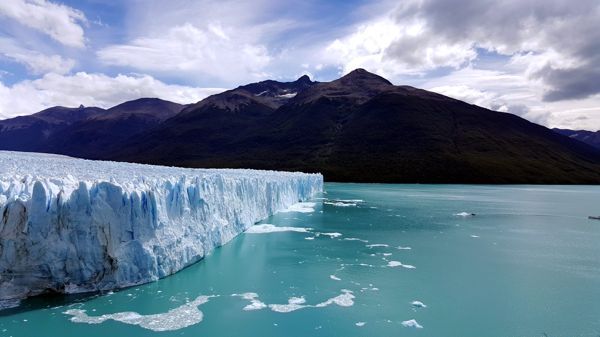
City🇦🇷 El Calafate and the Perito Moreno Glacier
 Countries
🇵🇪 Peru
 City
City🇵🇪 Cusco and Machu Picchu
 Countries
🇨🇷 Costa Rica
 Countries