
Best time to travel in Indianapolis?
→ The detailed month-by-month page, with 2015-2024 averages
Best time: May to June and September to October
Best avoided if possible: December to March (less pleasant weather or big crowds).
Temperatures and rainfall: 1991-2020 normals from the Indianapolis Airport station, NOAA data (public domain).
Humid continental: hot, stormy summers around 29-30°C, cold winters around 2°C by day and below freezing at night, frequent snow from December to February, and a changeable spring with a risk of tornadoes. The best time to visit Indianapolis is May, June, September and October, with temperatures reaching 29-30°C (July). By contrast, January, February, March, April, July, August, November and December are generally less favourable (less pleasant weather or big crowds, depending on the destination), though a trip is still possible with a bit of planning. In high season, book early: prices and visitor numbers climb fast.
Go against the flow. To avoid the crowds without sacrificing too much on the weather, aim for April and November: the crowds thin out, prices drop too, and the climate stays pleasant.
Do these months appeal to you? See what's best elsewhere too: where to go in May · where to go in June · where to go in September · where to go in October.
At a glance
Why go to Indianapolis?
Indianapolis is first and foremost the city of motor racing. The Indianapolis 500, raced since 1911 on the Speedway oval, draws more than 300,000 spectators every late May, the largest crowd at any single-day sporting event in the world. The circuit can be visited all year round, with its museum of a hundred cars and its guided tours down to the yard of bricks. For a motorsport fan it is a pilgrimage, and for everyone else an American curiosity.
The city also has a pleasant, compact centre, laid out in 1821 around a circle, with its diagonal avenues and its great war memorials, among the most numerous in the United States after Washington. It can be explored on foot or by bike, between the canal, the museums of White River State Park, the Mass Ave district and the Colts' and Pacers' stadiums. The Children's Museum, the largest in the world, and Newfields, an art museum and gardens, make it a family destination.
Finally, Indianapolis is a gateway to the rural Midwest and its small towns: Conner Prairie and its recreated 19th-century villages, Brown County and its wooded hills in autumn colours, Columbus and its modern architecture. Prices remain moderate outside race weekends and major conventions, and the city combines well with Chicago, 3 hours to the north-west, or Louisville and Cincinnati, less than 2 hours away.
Tourist map of Indianapolis: what's where?
The map below pinpoints the 6 places covered in this guide: a handy way to picture the distances between each stop and plan your route in Indianapolis.
- Indianapolis Motor Speedway
- Children's Museum
- Newfields
- White River State Park
- Monument Circle
- Fountain Square
How much does a trip to Indianapolis cost in 2026? Budget calculator
Estimate your budget for Indianapolis based on your travel style: accommodation, meals, activities and local transport included (flights excluded). Adjust the length and the number of travellers, and the totals update.
Totals for all travellers over the chosen length; the daily amount is per person. Flights extra, indicative amounts to adjust depending on the season.
Cards are accepted everywhere, contactless included. Prices are shown before tax: 7% on purchases, about 9% in restaurants and around 17% on hotel rooms. A tip of 18 to 22% is expected in restaurants, and $1-2 per drink at the bar.
Safety in Indianapolis: should you be worried?
Indianapolis is a safe city for visitors in the busy districts: downtown, the canal, White River State Park, Mass Ave, Fountain Square and Speedway. As in many American cities, crime is concentrated in residential districts that tourists do not pass through. In the evening, downtown is lively around the stadiums and Mass Ave but empties elsewhere: take a ride-hail to get back late. Thefts from cars do happen, so leave nothing visible. Spring brings violent storms and tornadoes, and winter snow and ice; the covered skywalks downtown help then. Carrying firearms is legal in Indiana, except where a sign forbids it. Healthcare is excellent but very expensive, so health insurance covering the United States is essential.
Things to see and do in Indianapolis
Our first-hand favourites, and the great classics:
- Indianapolis Motor Speedway
- Children's Museum of Indianapolis
- Newfields
- Canal Walk and White River State Park
- Monument Circle
- Indiana War Memorial
- Eiteljorg Museum
- Massachusetts Avenue
What to book before you go to Indianapolis →
🧭 Discover the Indianapolis itinerary, day by dayMap, timings, budget and where to stay: free to access, to fit your dates. Create my tailor-made itinerary →Downtown and Monument Circle

Downtown fits into a few streets around Monument Circle and its 1902 obelisk. The State House, Indiana's capitol with its limestone dome, can be visited free of charge on weekdays. Circle Centre, the downtown theatres, Lucas Oil Stadium, the Colts' covered stadium, and Gainbridge Fieldhouse, home of the Pacers, are ten minutes' walk away. The Murat Shrine, a Moorish-style Masonic temple, and the 1888 Union Station, with its Romanesque tower, recall the city's railway golden age.
White River State Park and the canal
West of downtown, the canal and its promenades lead to the city's largest urban park, which brings together the Indiana State Museum, the Eiteljorg, the NCAA Hall of Champions, the zoo and the White River Gardens botanical garden, the open-air TCU Amphitheater and Victory Field baseball stadium. It is the most pleasant district for a family day out, on foot or by bike, with pedal boat and kayak hire on the canal in summer.
Mass Ave and Bottleworks

North-east of downtown, Massachusetts Avenue concentrates bars, restaurants, theatres and independent shops in brick buildings. At its end, the Bottleworks District, in a former Art Deco Coca-Cola plant, houses a hotel, The Garage food hall and a cinema. The district is the liveliest in the evening, and the Cultural Trail links it on foot or by bike to the rest of downtown.
War Memorial Plaza and northern downtown

Five blocks of lawns and monuments stretch north of downtown, from the Indiana War Memorial and its Shrine Room to the 1917 Central Library, by way of the obelisk of Veterans Memorial Plaza and the American Legion headquarters. Further north, the Old Northside historic district keeps its Victorian houses, including the home of President Benjamin Harrison, which can be visited.
Speedway and Newfields

10 km to the west, the town of Speedway grew up around the circuit: its museum, its track tours and its main street, Main Street, with its racing bars. On the way, north-west of downtown, Newfields brings together the art museum, the Lilly House, the gardens and Fairbanks park on the banks of the White River. The Children's Museum lies between the two, north of downtown. A car or ride-hail is necessary.
Fountain Square and day trips

To the south-east, Fountain Square, a former working-class district turned artists' quarter, keeps its 1928 theatre, a duckpin bowling alley and live music bars, at the end of the Cultural Trail. Outside the city, Conner Prairie, in Fishers, 30 minutes to the north, recreates life in an 1836 village with costumed residents, and Columbus, an hour to the south, lines up buildings by Eero Saarinen, I. M. Pei and Richard Meier.
How many days, and which itinerary in Indianapolis?
Two days cover the Speedway, downtown, the canal and Mass Ave. Three or four days let you add the Children's Museum, Newfields and a day trip to Conner Prairie or Columbus. In late May, the trip is built around the Indianapolis 500 and its weeks of practice.
🗺️ Day-by-day Indianapolis itinerary · 📓 Printable Indianapolis travel guide (PDF) · 🌍 Discover all of the American West
The weekend (3 days)
Day 1: Monument Circle, the State House and the Indiana War Memorial in the morning, lunch on Mass Ave, the canal and White River State Park in the afternoon, the Eiteljorg Museum, then dinner and the bars of Mass Ave. Day 2: the Indianapolis Motor Speedway, its museum and the Kiss the Bricks tour in the morning, Newfields and its gardens in the afternoon, an evening in Fountain Square. Day 3: the Children's Museum with the family or the Indiana State Museum, cycling on the Cultural Trail, a Pacers or Colts game depending on the season.
Indianapolis and Indiana (5 days)
The three days of the weekend, plus a day at Conner Prairie, a recreated 1836 village north of the city, and a day in Columbus for its modern architecture, returning via Nashville, in Brown County, a small artists' town among wooded hills, best done in October for the autumn colours.
The Midwest by car (10 days)
Three days in Indianapolis, then the road south-east: Cincinnati for two days, 180 km (110 miles) away, with its freedom museum and German district, Louisville for two days, the Kentucky Derby Museum and the bourbon trail, then back via Indianapolis and three days in Chicago, 3 hours to the north-west, for its architecture and museums. Allow about 1,100 km, with a return flight from Chicago.
How to get to Indianapolis and get around?
From Europe, Indianapolis International Airport (IND) is reached with a connection in Atlanta, New York, Chicago or Dublin, from where Aer Lingus runs a direct flight; US immigration checks are then carried out in Dublin, before departure. Allow 10 to 13 hours of travel. The airport is about 25 km south-west of downtown, 20 minutes by taxi or ride-hail.
IndyGo bus route 8 links the airport to downtown, and the Red Line, a bus rapid transit line with dedicated lanes, crosses the city from north to south via downtown and Fountain Square. Buses on the other routes are infrequent in the evening and at weekends.
Downtown, the canal, White River State Park and Mass Ave can be covered on foot. The Indianapolis Cultural Trail, a 13 km path separated from the road, links the districts by bike, with Pacers Bikeshare docking stations. It is the best way to get around between downtown, Mass Ave and Fountain Square.
A car becomes useful for the Speedway, Newfields, the Children's Museum, Conner Prairie and day trips. Parking is easy outside downtown, and charged downtown and at hotels. In May, around the Indianapolis 500, traffic towards Speedway is saturated on race and practice days.
Where to stay in Indianapolis?
Downtown, around Monument Circle and the convention centre, concentrates the hotels, several of them linked by covered skywalks to the shopping centre and the convention centre, which saves going outside in winter. Expect €120-230 a night, much more during major conventions.
The month of May changes everything: during the Indianapolis 500 and its weeks of practice, hotel prices double or triple and many impose a minimum stay. Book months ahead if you are coming for the race, or avoid late May.
Mass Ave and Bottleworks have the most pleasant hotels for going out in the evening, and the canal a few chain hotels with water views. The Omni Severin, from 1913, and the Crowne Plaza, set in the old station with rooms in real railway carriages, have character.
The chain hotels at the airport, in Speedway and in the north of the city cost €90-130 a night, with free parking, but you will need a car. The Keystone district, to the north, has a few upmarket hotels near the shopping centres.
Our picks stop by stop, in three price ranges →
What to eat in Indianapolis?
Indiana's speciality is the pork tenderloin sandwich, a breaded, flattened pork cutlet that hangs far over the edges of the bun, served in diners and bars. Sugar cream pie is the official state pie. Expect $12-18, about €10-15, for a simple meal.
St. Elmo Steak House, opened downtown in 1902, is famous for its shrimp cocktail with horseradish sauce, so fiery it makes you cry, before a steak. Shapiro's, a Jewish deli founded in 1905, serves pastrami and corned beef at the counter.
Mass Ave, Fountain Square and the Bottleworks District concentrate the newer restaurants and the craft breweries, which are plentiful in the city. The Garage food hall, in Bottleworks, brings together some twenty counters, handy for a group.
Prices are shown before tax: add about 9% in restaurants, including Indiana's 7% sales tax, and around 17% on hotel rooms. A tip of 18 to 22% is expected in restaurants, and $1-2 per drink at the bar. Tap water is safe to drink.
Which kind of traveller is it for?
Indianapolis lends itself to a cultural and festive trip. Whether you travel with family, with friends or even solo, everyone finds their own pace. For accommodation, you will mostly find classic hotels and boutique hotels.
Entry requirements & practical info
UK, Australian and most EU passports need an ESTA, applied for online before departure, for stays of up to 90 days; a few EU countries sit outside the Visa Waiver Program and need a full visa. Canadians need neither, only a passport. Anyone who has been to Cuba since January 2021 cannot use an ESTA and must apply for a visa.
Rules change: before you leave, check your country's official travel advice.
Once there, to stay online without paying roaming charges, an Indianapolis eSIM activates in a few minutes and works as soon as you land (plans from €3.99). Remember suitable travel insurance too.
Frequently asked questions about Indianapolis
When is the best time to visit Indianapolis?
May-June and September-October, with 20 to 27°C during the day. In late May, the Indianapolis 500 draws more than 300,000 spectators and sends prices soaring: come for the race or avoid that period. Summer is hot and stormy, winter cold and snowy.
Can you visit the Indianapolis 500 circuit?
Yes, all year round. The museum, in the middle of the oval, opens every day from 9am to 5pm, and the Kiss the Bricks tour, at $15, about €13, on top of museum admission, takes you by coach to the yard of bricks. From April to October, a 90-minute golf-cart tour goes around the oval when the track is free, for $55, about €47.
When is the Indianapolis 500?
Every year on the Sunday of Memorial Day weekend, in late May, preceded by two weeks of practice and qualifying. Tickets are sold on the circuit's official website, from grandstands to general admission, and hotels are booked months in advance.
Are there direct flights from Europe to Indianapolis?
Only from Dublin, where Aer Lingus flies direct to Indianapolis and US immigration checks are done before boarding. Otherwise, you need a connection in Atlanta, New York or Chicago. Allow 10 to 13 hours of travel.
Do you need a car in Indianapolis?
Not for downtown, the canal, Mass Ave and Fountain Square, linked by the Cultural Trail on foot or by bike. For the Speedway, Newfields and the Children's Museum, a ride-hail is enough. A car becomes useful for Conner Prairie, Columbus and onward travel in the Midwest.
Is the Children's Museum of Indianapolis worth it for adults?
Yes, its dinosaurs, history galleries and Chihuly glass tower appeal to all ages, but it is designed for families with children aged 2 to 12. Tickets are dated and their price varies by day: book online, and note that the museum is closed on Mondays.
Similar destinations
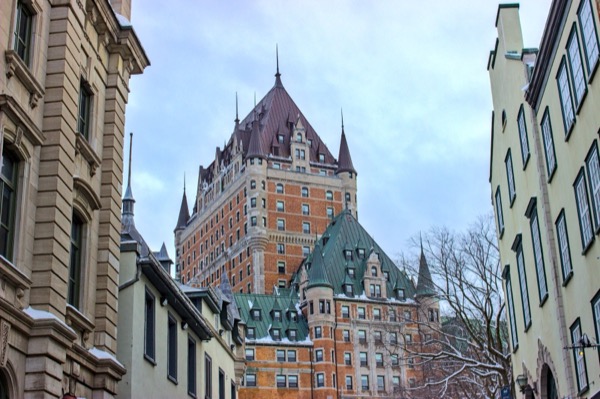 City
🇨🇦 Montreal and Quebec City
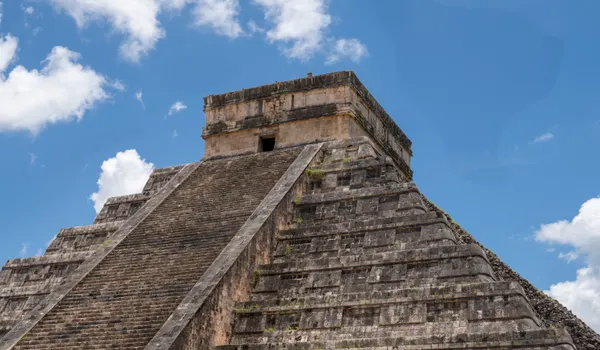 Countries
🇲🇽 Mexico
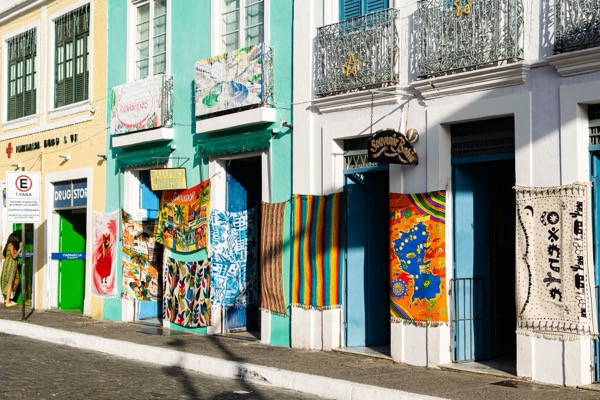 City
🇧🇷 Salvador da Bahia
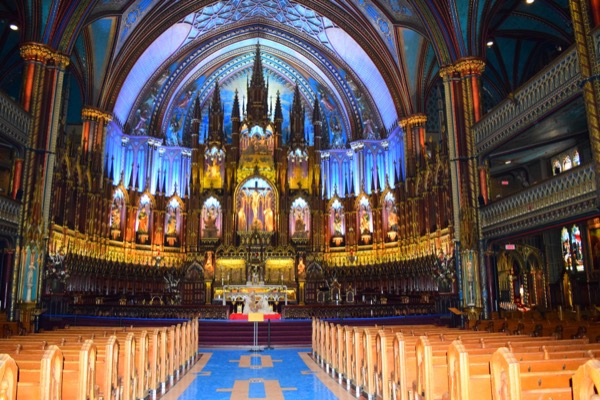 City
🇨🇦 Montreal
 City
🇦🇷 Buenos Aires
 City
🇨🇴 Cartagena
 City
🇺🇸 Las Vegas
 Region