When to go to Malta?
→ The detailed month-by-month page, with real weather records
Best time: April to June and September to October
At a glance
Why go to Malta?
On a speck of limestone in the heart of the Mediterranean, Malta packs in a dizzying density of history. Phoenicians, Romans, Arabs, the Knights of St John, the British: every civilisation has left its mark on the archipelago. Valletta, the UNESCO-listed Baroque capital, is its dazzling distillation. English and Maltese are spoken here, and you pay in euros, which makes travelling much easier.
The archipelago is made up of three inhabited islands with very distinct personalities. Malta, the main island, teems with historic sites and lively streets; Gozo, greener and more peaceful, keeps a rural rhythm; Comino, almost deserted, is home to the famous Blue Lagoon and its turquoise waters. Distances are tiny, and everything is linked by bus or ferry in minutes. It is an ideal destination for a short, sunny break.
Bathed in sunshine more than 300 days a year, Malta wins over lovers of diving, history and Mediterranean dolce vita. Its crystal-clear waters are among the finest in Europe for exploring wrecks and underwater caves. Fishing villages, patron saints' festivals and a cuisine blending Italian and Arab influences complete the picture. Compact and easy, Malta offers a real change of scene just a few hours' flight away.
Map of Malta: what is where?
The map shows the 6 places covered in this guide, to picture the distances and plan your route.
- Valletta
- Mdina
- Victoria (Gozo)
- Blue Lagoon (Comino)
- Hagar Qim
- Marsaxlokk
How much does a trip to Malta cost?
Malta offers good value for the Mediterranean, more affordable than Italy or France. Prices climb in Sliema and along the coast at the height of summer.
| Style | Per day | What it covers |
|---|---|---|
| Backpacker | €40-60/day | Dorm, buses, pastizzi and simple meals, a few sights. |
| Comfort | €75-120/day | Hotel or apartment, restaurants, car hire, excursions. |
| Premium | €160+/day | Seafront resort, fine dining, diving and private boat trips. |
The euro is the official currency and bank cards are accepted almost everywhere.
Is Malta safe?
Malta is a very safe destination, with low crime and a welcoming, largely English-speaking population. You can travel with peace of mind day and night, including solo or as a family. The main precautions concern driving on the left and the sometimes narrow, congested roads. In summer, the intense heat and sun call for plenty of water and sun protection, especially at open-air sites.
What to see and do in Malta
- fortified Valletta
- Comino's Blue Lagoon
- the island of Gozo
- the walled city of Mdina
- the megalithic temples
Valletta

Malta's capital, built by the Knights of the Order of St John, is a UNESCO-listed Baroque gem. St John's Co-Cathedral dazzles with its marble floors and its monumental Caravaggio. The Upper Barrakka Gardens offer a sweeping view over the Grand Harbour and the Three Cities. Grid-pattern streets, ochre façades and colourful wooden balconies make up a picture-postcard setting. Despite its small size, the city is packed with museums, palaces and churches.
Mdina
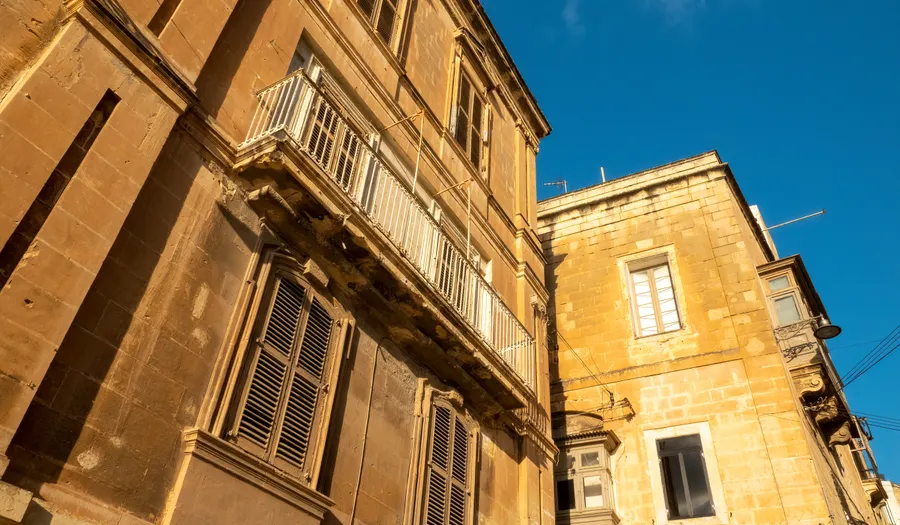
Malta's former capital, silent Mdina is a medieval walled city perched in the centre of the island. Its narrow, almost deserted lanes have earned it the nickname of the Silent City. St Paul's Cathedral and the aristocratic palaces bear witness to a prestigious past. From the ramparts, the view takes in the whole island down to the sea. At dusk, once the visitors have gone, it regains a spellbinding, timeless atmosphere.
Gozo

Malta's sister island, greener and calmer, keeps an authentic rural way of life. The Citadel in Victoria towers over the island and offers a 360-degree panorama. The salt pans of Marsalforn, the Ta'Pinu sanctuary and wild coves dot the landscape. Dwejra Bay, long graced by its now-collapsed Azure Window, remains a renowned diving spot. It is reached by ferry in around thirty minutes, for an instant change of scene.
Blue Lagoon, Comino

On the tiny island of Comino, the Blue Lagoon spreads out dazzling turquoise waters over white sand. It is one of the most beautiful swimming spots in the entire Mediterranean. People come by ferry or on boat trips to swim, snorkel and laze about. The place is a victim of its own success and fills up fast in summer, so it is best to arrive early. The trails of the deserted island also offer lovely coastal walks far from the crowds.
Megalithic temples

Malta is home to some of the oldest free-standing monuments in the world, older than the pyramids of Egypt. The temples of Hagar Qim and Mnajdra, facing the sea, are among the best preserved. The Hal Saflieni Hypogeum, a unique underground sanctuary, can be visited only with a strictly limited reservation. These UNESCO-listed Neolithic sites bear witness to a mysterious civilisation 5000 years old. They offer a fascinating dive into the origins of Mediterranean humanity.
Marsaxlokk
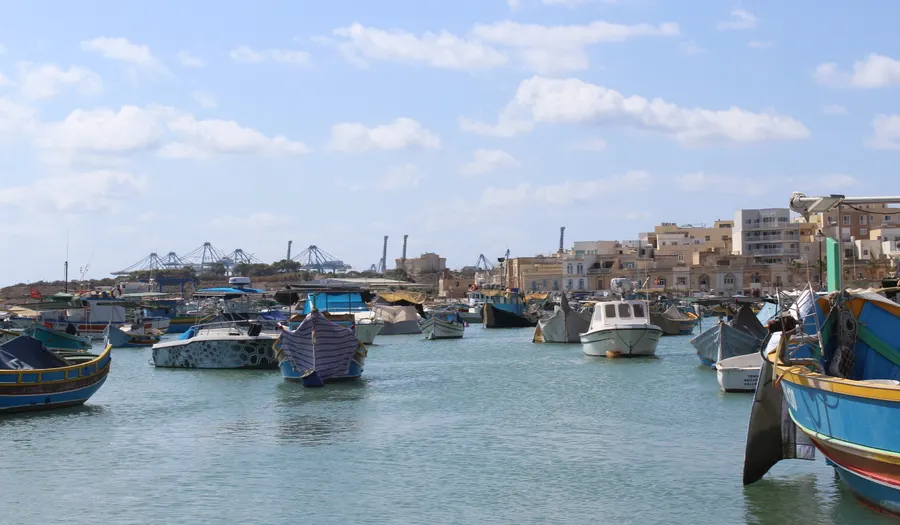
This picturesque fishing village in the southeast lines up its colourful boats, the luzzu, with their protective painted eyes. Its famous Sunday market overflows with fresh fish, local produce and crafts. The seafront taverns serve the catch of the day in a convivial atmosphere. It is one of the most authentic places in Malta, away from the tourist bustle. Nearby, the natural pools of St Peter's Pool invite you in for a swim.
How many days, and which itinerary?
Four to six days are enough to explore Valletta, the temples and Mdina, plus a day on Gozo and Comino.
🗺️ Day-by-day itinerary · 📓 Free printable Malta guide (PDF)
Short break (4 days)
Two days for Valletta, the Three Cities and Mdina, then a day devoted to the megalithic temples and Marsaxlokk. Finish with a boat trip to the Blue Lagoon.
The full discovery (6 days)
Add a whole day on Gozo with Victoria and the coves, and more time for diving or swimming. Ideal from April to October to make the most of the sea.
Relaxing stay (7 days)
Combine historic sightseeing, beach days on Gozo and Comino and underwater exploration of the wrecks. The perfect blend of culture and lazing about at a Mediterranean pace.
Getting there and getting around
The public bus network covers the whole island of Malta cheaply, but can be slow and crowded in high season.
Hiring a car gives you more freedom; be aware that traffic drives on the left, a British legacy.
Ferries link Malta to Gozo in around thirty minutes, and Comino is reached by shuttle boats and excursions.
Taxis and apps such as Bolt are handy for short, affordable trips between towns.
Where to stay in Malta?
Hostels in Sliema or St Julian's: €20 to €35 a night, close to the nightlife.
B&Bs and apartments in Valletta: €60 to €100 in characterful townhouses.
Boutique hotels on Gozo: €70 to €120 for a quieter, more rural stay.
Seafront resorts and beach hotels: €120 to €200 at the height of summer.
Our places to stay, stop by stop, at three budgets →
What to eat in Malta?
Stuffat tal-fenek, rabbit stewed in wine, is the Maltese national dish par excellence, shared at a fenkata, a big rabbit feast with friends.
Pastizzi, flaky pastries filled with ricotta or peas, are snacked on everywhere for a few coins.
Fresh fish, especially lampuki in autumn, dominates the tables of the fishing villages.
The cuisine blends Sicilian and Arab influences, from ftira to rabbit stew, washed down with local wine.
Entry requirements
Schengen area: an ID card or passport for EU citizens, 90 days visa-free for UK, US, Canadian and Australian passports.
Rules change: check your own government's travel advice before you go.
Cities and regions to discover
 City
City🇲🇹 Gozo
 City
City🇲🇹 Valletta
Frequently asked questions about Malta
When is the best time to visit?
From April to June and from September to October for mild weather and fewer crowds; summer is very hot and busy but ideal for swimming.
What daily budget should I plan for?
Allow €40 to €60 a day as a backpacker and €75 to €120 for a comfortable stay, more on the coast in summer.
How do I get around Malta?
Public buses serve the whole island cheaply; a car gives you more freedom, and ferries make it easy to reach Gozo and Comino.
Is English spoken in Malta?
Yes, English is an official language alongside Maltese, which makes travelling particularly easy for visitors.
Similar destinations
 Country
🇬🇷 Greece
 Country
🇭🇷 Croatia
 City
City🇬🇷 Corfu
 City
City🇬🇷 Rhodes
 City
City🇭🇷 Split
 Region
🇫🇷 Charente-Maritime and the Île de Ré
 City
City🇫🇷 Bordeaux and Around
 Region
🇬🇷 Crete
 City
City🇮🇪 Galway and Connemara
 City
City