When to go to Slovenia?
→ The detailed month-by-month page, with real weather records
Best time: May to September
At a glance
Why go to Slovenia?
Slovenia fits in the palm of your hand, and that is precisely its strength: in a single morning you can go from the peaks of the Julian Alps to the vineyards of the Vipava Valley, then on to an Adriatic beach. This green country, with forest covering more than half its surface, cultivates a peaceful way of life where everything stays on a human scale. You never waste time on the road, and every bend reveals an emerald lake or a doll's-house village.
Ljubljana, the capital, sets the tone: a garden city threaded by a turquoise river and bristling with café terraces and bridges designed by the architect Plečnik. Here cars have given way to bikes and pedestrians, and the mood is more university town than metropolis. It is the ideal base camp for exploring the whole country.
Slovenia above all wins over lovers of the active outdoors: hiking in Triglav National Park, rafting on the impossibly blue waters of the Soča, caving in the Karst grottoes. Prices remain gentle compared with neighbouring Austria or Italy, and the welcome is disarmingly sincere. You leave feeling you have discovered one of Central Europe's best-kept secrets.
Map of Slovenia: what is where?
The map shows the 6 places covered in this guide, to picture the distances and plan your route.
- Ljubljana
- Lake Bled
- Vintgar Gorge
- Postojna Cave
- Piran
- Soča Valley
How much does a trip to Slovenia cost?
Slovenia remains more affordable than its Alpine neighbours while offering an excellent level of comfort. Prices climb in Bled and on the coast at the height of summer.
| Style | Per day | What it covers |
|---|---|---|
| Backpacker | €45-65/day | Hostel dorm, simple meals and buses, a few sights. |
| Comfort | €80-120/day | B&B, local restaurants, a shared hire car. |
| Premium | €150+/day | Boutique hotel, fine dining, guided activities and spa. |
The euro is the official currency and bank cards are accepted almost everywhere.
Is Slovenia safe?
Slovenia ranks among the safest countries in Europe, with very low crime and a welcoming population. You can travel with peace of mind, including solo or as a family, by day or by night. The only precautions concern the mountains: proper gear, a check of the weather forecast and staying on the trails in Triglav National Park. Mountain roads can be narrow and winding, so drive with care.
What to see and do in Slovenia
- Lake Bled and its island
- Vintgar Gorge
- Postojna Cave
- Ljubljana and its bridges
- the Soča Valley
Ljubljana

The Slovenian capital is best explored on foot, along the banks of the Ljubljanica lined with willows and cafés. The hilltop castle offers the finest panorama over the red roofs and the mountains on the horizon. The Triple Bridge and Plečnik's covered market bear witness to the genius of the local architect. In the evening, the Metelkova district and the riverbanks come alive with a laid-back young crowd. This is a capital that never tries to impress, only to charm.
Lake Bled
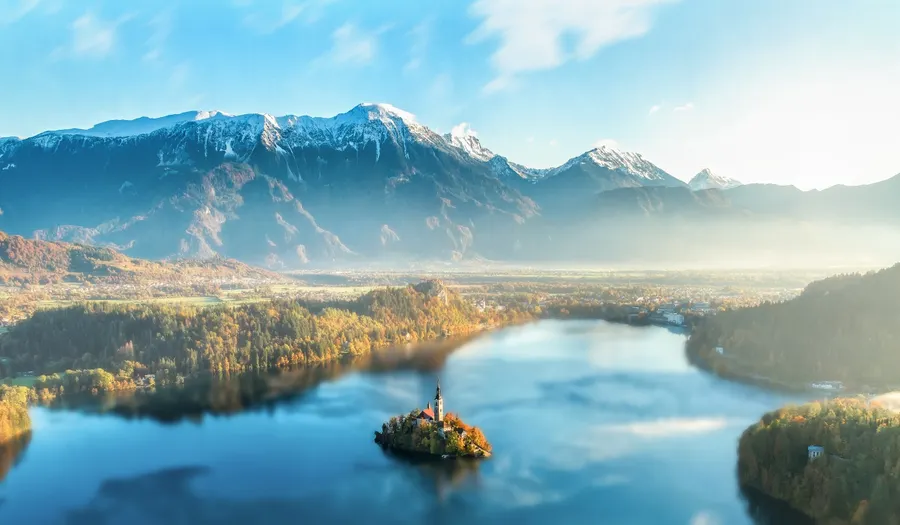
Slovenia's ultimate postcard, this glacial lake cradles a tiny island crowned by a Baroque church. You reach it by pletna, the traditional rowing boat, to ring the wishing bell. The medieval castle clinging to its cliff watches over the scene and is mirrored in the turquoise water. A path circles the lake in a little under two hours, dotted with benches and viewpoints. You cannot leave without tasting kremna rezina, the famous local cream slice.
Vintgar Gorge

A few kilometres from Bled, this spectacular gorge is crossed on wooden walkways pinned to the rock. The Radovna River churns through it in cascades and pools of an unreal green. The trail winds for about a kilometre and a half to a fine waterfall at the end. The site is open from April to November, and it pays to arrive early to beat the crowds. It is an easy, refreshing walk, perfect in summer.
Postojna Cave

One of the largest underground networks in Europe, it is explored aboard a little electric train that burrows deep into the rock. Inside you marvel at monumental formations, stalactites and stalagmites sculpted over millions of years. The cave is home to the famous olm, a blind salamander nicknamed the baby dragon. The visit is a cool one, around ten degrees all year round, so bring a jacket. Nearby, Predjama Castle, built into a cliff face, is well worth the detour.
Piran
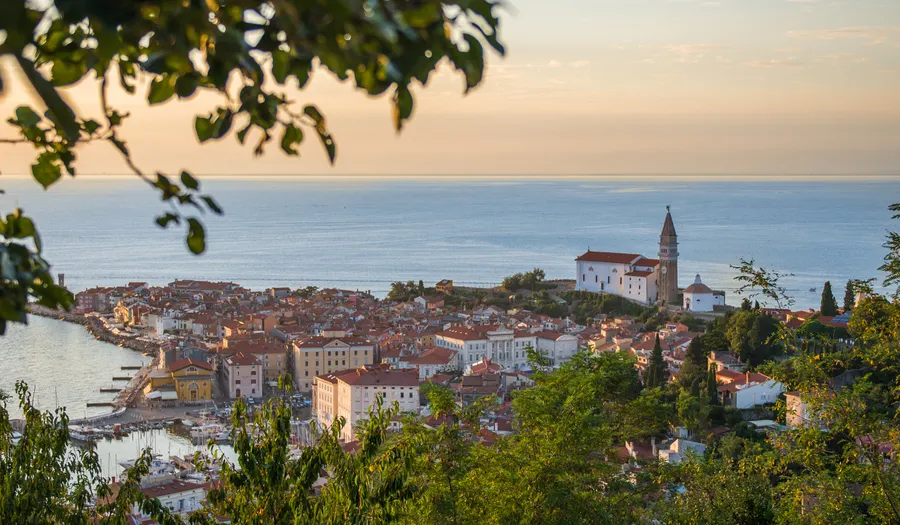
This Venetian pearl set on the Adriatic lines up narrow lanes, ochre houses and an oval square dedicated to the composer Tartini. The town walls give a plunging view over the rooftops and the sparkling sea. Grilled fish and regional wine are savoured on the quays of the little harbour. The Italian influence shows everywhere, in the architecture as on the plate. At sunset, the golden light on the stone makes it one of the most beautiful villages on the coast.
Soča Valley

The Soča River unfurls its supernaturally milky-blue waters through the heart of the Julian Alps. A paradise for white-water sports, it lends itself to rafting, kayaking and canyoning. Gorges, suspension bridges and the Kozjak waterfall fill the valley with wonders. The region still carries the memory of the First World War battles, told in Kobarid. It is the dream playground for hikers and lovers of untamed nature.
How many days, and which itinerary?
A week lets you combine Ljubljana, Bled, the Karst caves and the Adriatic coast without rushing.
🗺️ Day-by-day itinerary · 📓 Free printable Slovenia guide (PDF)
The essentials (5 days)
Two days in and around Ljubljana, then Bled and Vintgar Gorge. Finish with Postojna Cave and an escape to the coast at Piran.
Nature and mountains (7 days)
Add the Soča Valley and Triglav National Park to the essentials for hiking and white-water sports. Ideal from May to September to make the most of the outdoors.
Grand tour (10 days)
Round things off with the Vipava Valley and its vineyards, the wine hills of Brda and the wilder Lake Bohinj. Enough to capture every facet of the country, from the Alps to the Adriatic.
Getting there and getting around
The country is small, and a hire car remains the most practical way to roam freely between lakes, mountains and coast.
The bus network is reliable and cheap, linking Ljubljana with Bled, Piran or Postojna in a few hours.
Trains serve the main routes but are slower; they are a pleasure on the scenic line to Bohinj.
Ljubljana can be explored entirely on foot or by bike thanks to the BicikeLJ self-service hire scheme.
Where to stay in Slovenia?
Youth hostels and design hostels in Ljubljana: €20-30 a night in a dorm, often award-winning for their creativity.
B&Bs and family guesthouses around Bled: €50-80 for a double with a generous breakfast.
Apartments and holiday cottages in the Soča Valley: €60-100 depending on the season, perfect for families.
Boutique hotels facing the sea in Piran: €90-150 in the high summer season.
Our places to stay, stop by stop, at three budgets →
What to eat in Slovenia?
Potica, a rolled sweet bread filled with walnuts or poppy seeds, is the emblematic cake of Slovenian festivities.
Ćevapčići and Balkan cooking sit alongside Italian and Austrian influences, depending on the region.
Fresh fish and seafood dominate on the coast, washed down with white wines from Istria.
Bled's kremna rezina, a vanilla cream slice, is a must, eaten facing the lake.
Entry requirements
Schengen area: an ID card or passport for EU citizens, 90 days visa-free for UK, US, Canadian and Australian passports.
Rules change: check your own government's travel advice before you go.
Cities and regions to discover
 Region
🇸🇮 Lake Bled
 City
City🇸🇮 Ljubljana
Frequently asked questions about Slovenia
When is the best time to visit?
From May to September for hiking and swimming; June and September offer a good balance between mild weather and moderate crowds.
What daily budget should I plan for?
Allow around €45-65 a day as a backpacker and €80-120 for a comfortable trip, outside the coast's high season.
How do I get around the country?
A car is ideal for freedom; failing that, the bus network covers the main destinations well at low prices.
Is Slovenia expensive?
No, it remains more affordable than neighbouring Austria or Italy, except in Bled and Piran in summer, when prices rise.
Similar destinations
 City
City🇫🇷 Annecy
 Country
🇫🇷 France
 Country
🇬🇧 United Kingdom
 City
City🏴 Scotland
 Country
🇮🇪 Ireland
 City
City🇮🇪 Galway and Connemara
 Country
🇦🇹 Austria
 Region
🇷🇴 Transylvania
 Region
🇭🇷 Plitvice Lakes
 Region