When to go to Amsterdam?
→ The detailed month-by-month page, with real weather records
Best time: April to June and September
At a glance
Why go to Amsterdam?
Amsterdam unfolds like a living painting, with its UNESCO World Heritage canals, its leaning gabled houses and the endless chime of bicycle bells. The city breathes an easy-going freedom, the kind found on waterside terraces and in world-class museums gathered within a few streets. Its relaxed way of life wins over art lovers and idle wanderers alike. Few capitals pack so much charm into such a compact centre.
Amsterdam's great strength is its human scale: almost everything can be done on foot or by bike, and every neighbourhood has a personality of its own. The Jordaan keeps its village feel, De Pijp hums to the rhythm of its market and the Museum Quarter lines up one masterpiece after another. This variety means you can change atmosphere simply by crossing a bridge. The city rewards those who take the time to get lost.
Beyond the clichés, Amsterdam is a city of culture, design and food in full ferment. The old docks have been reborn as creative hubs, the brown cafés keep a convivial tradition alive and the canals light up as evening falls. It is a destination to savour in every season, from the tulip-filled spring to the winter markets. Everyone leaves wanting to come back.
Map of Amsterdam: what is where?
The map shows the 6 places covered in this guide, to picture the distances and plan your route.
- Jordaan canals
- Rijksmuseum
- Anne Frank House
- Vondelpark
- Albert Cuyp Market
- Dam Square
How much does a trip to Amsterdam cost?
Amsterdam is an expensive capital, but a controlled budget is still possible if you rely on the bike and the markets.
| Style | Per day | What it covers |
|---|---|---|
| Backpacker | €70-100/day | dorm, quick bites, bike and a few chosen museums |
| Comfort | €180-260/day | central hotel, restaurants, a cruise and two museums |
| Premium | €400+/day | canal-house hotel, fine dining and private tours |
Card payment is accepted almost everywhere, but keep a little cash for the markets.
Is Amsterdam safe?
Amsterdam is a safe city where you can get around without worry, day or night. The main things to watch out for are pickpockets in tourist areas and stations, along with the bike traffic, which demands attention when crossing cycle lanes. The Red Light District remains very busy, but it is best to stay discreet and respectful there. With the usual precautions, your stay will go smoothly.
What to see and do in Amsterdam
- the UNESCO-listed canals
- the Van Gogh Museum
- the Anne Frank House
- the Rijksmuseum
- the Jordaan district
Jordaan canals
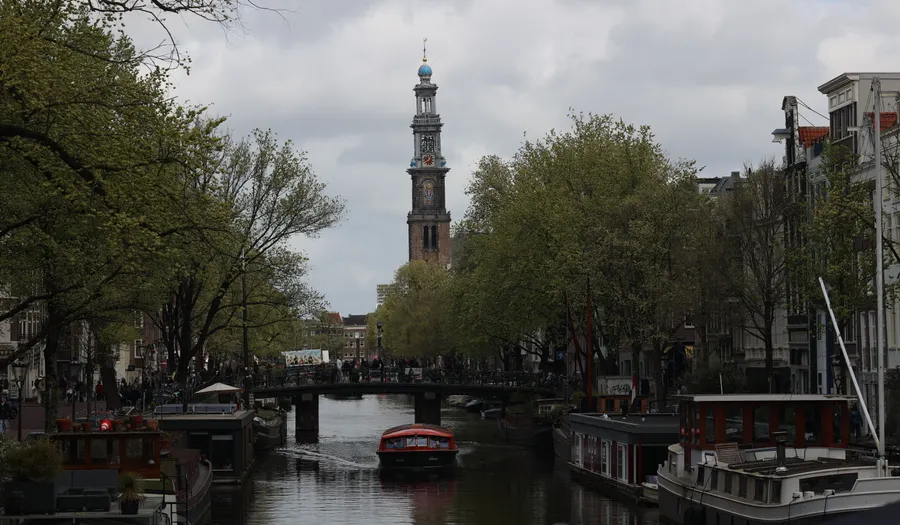
The Jordaan is Amsterdam's most photogenic district, with quiet canals lined with grand merchants' houses. You drift between galleries, antique shops and cosy brown cafés. On Saturdays, the Noordermarkt and Lindengracht markets bring the squares to life. It is the perfect place to catch the soul of the city, coffee in hand.
Rijksmuseum

The Dutch national museum is home to Rembrandt's Night Watch and masterpieces by Vermeer. Its monumental red-brick building is an attraction in its own right. Allow at least half a day to explore its galleries of art and history. The cycle passage running right through it makes it one of the city's most iconic sights.
Anne Frank House
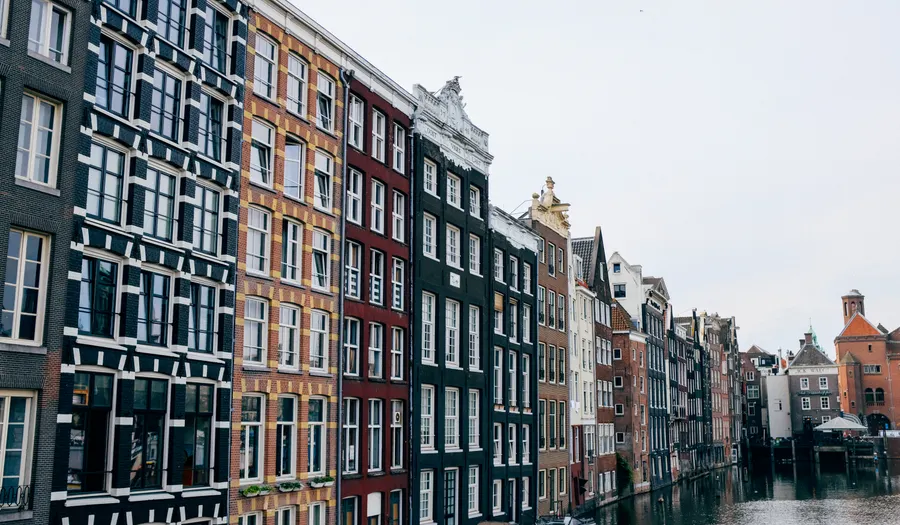
This moving memorial traces the life of the young girl who hid here during the Occupation. You see the Secret Annex and the original diary, presented in a sober and deeply affecting setting. Booking online well in advance is essential, so great are the crowds. The visit stays with every traveller long afterwards.
Vondelpark

Amsterdam's great green lung stretches over nearly fifty hectares south of the centre. Locals come here to run, picnic or catch open-air concerts in summer. Its paths, ponds and rose gardens invite you to unwind. It is the ideal dose of nature between two visits.
De Pijp and the Albert Cuyp Market

De Pijp is Amsterdam's bohemian, cosmopolitan district, popular with young professionals. The Albert Cuyp Market, the largest in the Netherlands, rolls out its colourful stalls here every day. Sample herring, stroopwafels and local cheeses between independent shops. The atmosphere is lively and foodie.
Dam Square and the Royal Palace
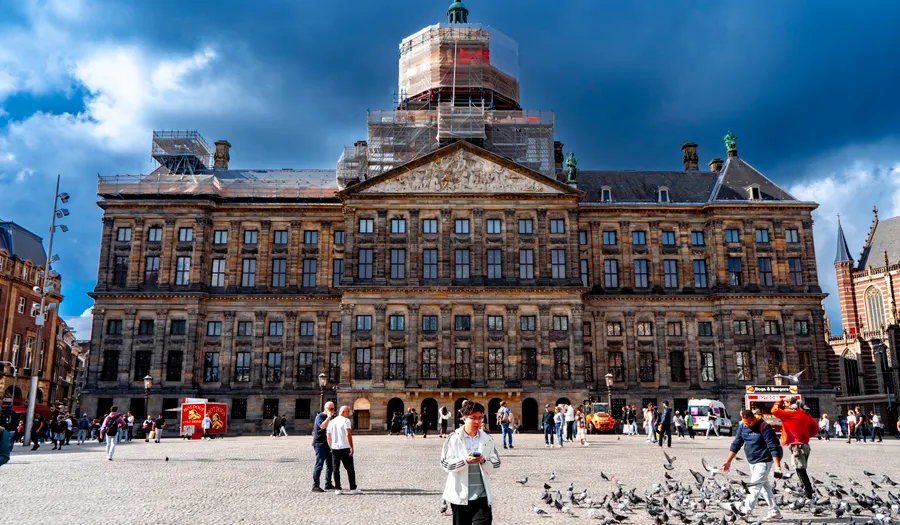
The historic heart of the city, Dam Square brings together the Royal Palace and the National Monument. Always buzzing, it makes an excellent starting point for exploring the centre. The 17th-century palace bears witness to the power of the Dutch Golden Age. The shopping streets around it extend the stroll.
How many days, and which itinerary?
Three to four days are enough to see the essentials of Amsterdam without rushing.
🗺️ Day-by-day itinerary · 📓 Free printable Amsterdam guide (PDF) · 🌍 All of the Netherlands
Essential getaway (2 days)
Focus on the canal ring, the Jordaan and one major museum of your choice. Book the Anne Frank House and plan a sunset cruise to see the city at its very best.
Amsterdam in depth (4 days)
Add the Museum Quarter, De Pijp and a day cycling along the Amstel. You will have time to wander without rushing and to soak up local life in the brown cafés.
Amsterdam and around (5 days)
Round things off with trips to Haarlem, the windmills of Zaanse Schans or the Keukenhof tulip fields in spring. The train makes these outings very easy.
Getting there and getting around
The bike is king: day hire is cheap and cycle lanes are everywhere.
The GVB tram, bus and metro network is dense and efficient for longer journeys.
From Schiphol Airport, the train reaches Centraal Station in around fifteen minutes.
The centre is easy to explore on foot; avoid the car, which is expensive and impractical.
Where to stay in Amsterdam?
Hostels and dorm beds: €35 to €60 a night, often well located.
Mid-range hotels in the centre: €130 to €220 for a double room.
Boutique canal-side hotels: €250 to €400 for a memorable stay.
Rental apartments and canal houses: €150 to €300 depending on the neighbourhood.
Our places to stay, stop by stop, at three budgets →
What to eat in Amsterdam?
Try raw herring served with onions and pickles at the street stalls.
Warm stroopwafels and bitterballen go perfectly with a local beer.
Indonesian cuisine, a colonial legacy, offers delicious rijsttafel to share.
The historic brown cafés serve slow-cooked stews and cheeses in a convivial atmosphere.
Entry requirements
Schengen area: an ID card or passport for EU citizens, 90 days visa-free for UK, US, Canadian and Australian passports.
Rules change: check your own government's travel advice before you go.
Frequently asked questions about Amsterdam
When is the best time to visit Amsterdam?
Spring, from April to May, brings the tulips and mild weather, while summer fills the terraces. Autumn and winter are quieter and more affordable, with lovely atmospheres along the illuminated canals.
How many days should I spend in Amsterdam?
Three to four days let you see the essentials without rushing. Add a day or two to explore the surroundings, such as Haarlem or the tulip fields.
What is the daily budget for Amsterdam?
Allow around €80 a day travelling simply, €200 for a comfortable stay and more than €400 for top-end travel. The city remains one of the most expensive in Europe.
How do I get around Amsterdam?
Cycling and walking are the most pleasant and efficient ways to get around. The tram, bus and metro network fills the gaps perfectly, and the train reaches the airport in a matter of minutes.
Which neighbourhood should I stay in, in Amsterdam?
The Jordaan and the canal ring offer charm and easy access to the centre. De Pijp appeals for its young, foodie vibe, while Oud-West remains more affordable.
Similar destinations
 Country
🇪🇸 Spain
 City
City🇪🇸 Barcelona
 City
City🇮🇪 Cork
 City
City🇬🇧 Belfast
 City
City🇧🇪 Brussels
 City
City🇫🇷 Montpellier
 City
City🇭🇷 Split
 Region
🇫🇷 The French Riviera
 Region
🇫🇷 The Loire Valley
 City
City