When to go to Berlin?
→ The detailed month-by-month page, with real weather records
Best time: May to September
At a glance
Why go to Berlin?
Berlin is a one-of-a-kind capital, shaped by history and driven by a never-ending creative energy. The city of reunification, it bears the scars of the Wall, now an open-air art gallery and a place of remembrance. You can feel a freedom and tolerance here that draw artists and dreamers from all over the world. Few cities combine a painful past and contemporary ferment so intensely.
The city stands out for its laid-back atmosphere and its bubbling cultural scene, from legendary clubs to avant-garde galleries. Each of its neighbourhoods has a strong identity, from bohemian Kreuzberg to chic Mitte by way of trendy Friedrichshain. Green spaces and former airports turned into parks offer unexpected breathing room. Berlin cultivates a way of life that is at once underground and refined.
Berlin is also affordable compared with other major European cities, which makes it an accessible destination. Its world-class museums, gathered on Museum Island, sit alongside international cuisine and legendary nightlife. The weight of memory is everywhere, but always transformed into reflection and creation. This is a city to live intensely and understand slowly.
Map of Berlin: what is where?
The map shows the 6 places covered in this guide, to picture the distances and plan your route.
- Brandenburg Gate
- East Side Gallery
- Museum Island
- Reichstag
- Checkpoint Charlie
- Holocaust Memorial
How much does a trip to Berlin cost?
Berlin remains one of the most affordable capitals in Western Europe for accommodation and going out.
| Style | Per day | What it covers |
|---|---|---|
| Backpacker | €50-80/day | dorm, street food, transport and reduced-price museums |
| Comfort | €130-190/day | central hotel, restaurants, museums and nights out |
| Premium | €300+/day | boutique hotel, fine dining and private experiences |
Cards are accepted almost everywhere, but keep some cash for certain bars and snack stands.
Is Berlin safe?
Berlin is generally a safe city, including at night, thanks to a relaxed atmosphere and reliable transport running into the early hours. The usual precautions are enough: keep an eye on your belongings on public transport and in tourist areas, and stay alert around certain stations at night. The alternative districts are lively but pose no real danger to visitors. Respect at memorial sites is a must.
What to see and do in Berlin
- the Brandenburg Gate
- the Wall and the East Side Gallery
- Museum Island
- the Reichstag
- Kreuzberg nights
Brandenburg Gate

A symbol of Berlin and of German reunification, the Brandenburg Gate towers over Pariser Platz. This 18th-century neoclassical monument was long trapped in the heart of the Wall's no man's land. Today it embodies regained freedom and draws the crowds for major events. It is the essential starting point for any visit.
East Side Gallery

This surviving stretch of the Berlin Wall, more than a kilometre long, has become the largest open-air gallery in the world. International artists have painted murals on it, including the famous fraternal kiss. The walk along the Spree blends historical memory and artistic expression. It is a place that is both moving and colourful.
Museum Island

A World Heritage Site, Museum Island brings together five major institutions, including the Pergamonmuseum and the Neues Museum. Here you can admire treasures of antiquity such as the bust of Nefertiti and the Pergamon Altar. The ensemble reflects Prussia's cultural ambitions. A whole day is not too much to explore it.
The Reichstag and its dome
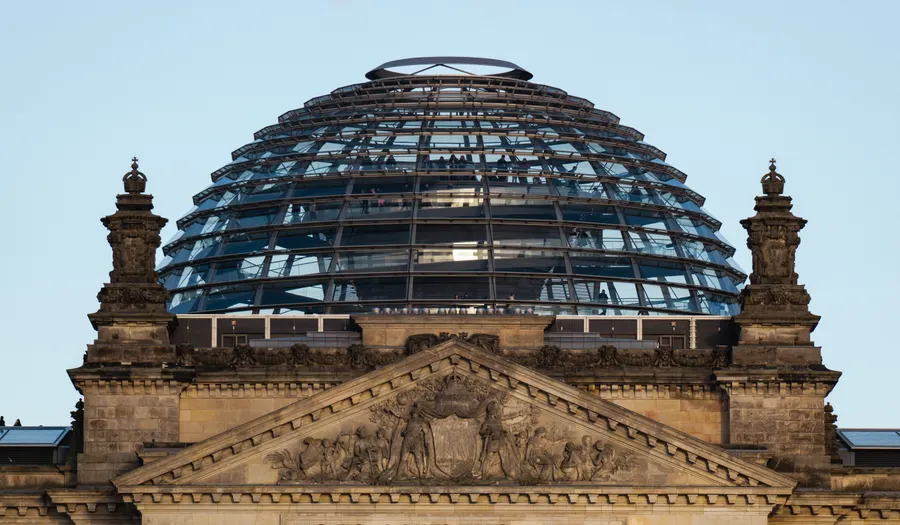
Seat of the German Parliament, the Reichstag is crowned with a spectacular glass dome designed by Norman Foster. The spiral ascent offers a panoramic view over the city and symbolises democratic transparency. The free visit must be booked in advance. The contrast between the historic building and the modern architecture is striking.
Checkpoint Charlie
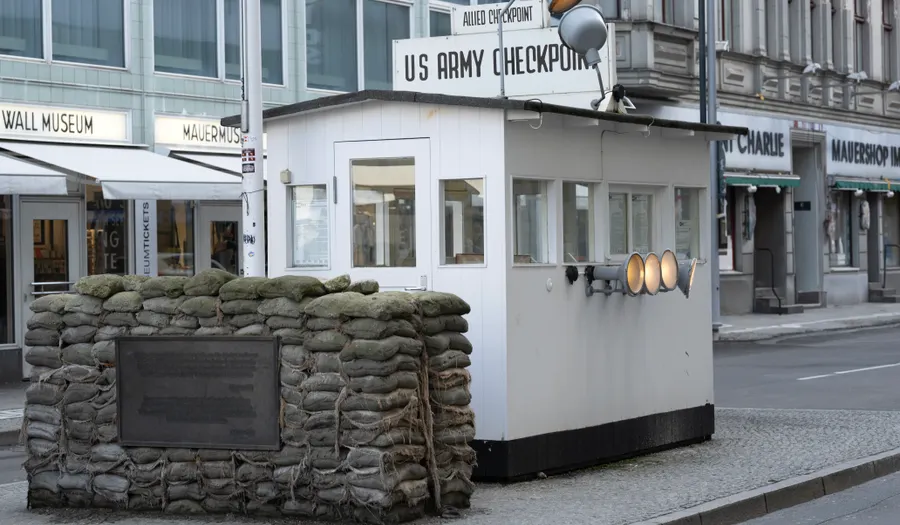
The former border crossing between East and West Berlin, Checkpoint Charlie remains a powerful symbol of the Cold War. The site tells the story of escape attempts and the tensions between the two blocs. A nearby museum delves deeper into this chapter of history. Despite its touristy side, the place still carries a strong sense of memory.
Memorial to the Murdered Jews of Europe

This striking memorial lines up nearly two thousand seven hundred concrete slabs of varying heights. You deliberately lose yourself in a silent maze that invites contemplation. An underground information centre documents the Holocaust with restraint. It is an essential place for understanding German memory.
How many days, and which itinerary?
Three to four days let you take in the historical and cultural richness of Berlin.
🗺️ Day-by-day itinerary · 📓 Free printable Berlin guide (PDF) · 🌍 All of Germany
Historic Berlin (2 days)
Follow the thread of history from the Brandenburg Gate to the Reichstag, by way of the Holocaust Memorial and Checkpoint Charlie. Finish at the East Side Gallery along the Spree.
Berlin in full (4 days)
Add Museum Island, a day in the alternative districts of Kreuzberg and Friedrichshain, and an evening sampling Berlin's legendary nightlife. The pace stays relaxed.
Berlin and Potsdam (5 days)
Round things off with a trip to Potsdam and its Sanssouci palaces, easily reached by train. You will discover the refinement of the Prussian kings just minutes from the capital.
Getting there and getting around
The S-Bahn and U-Bahn network covers the whole city and runs very late at weekends.
A day ticket or the Berlin WelcomeCard makes unlimited travel simple.
Cycling is very practical thanks to plentiful bike lanes and a flat city.
From BER Airport, the regional train reaches the centre in around thirty minutes.
Where to stay in Berlin?
Hip hostels and dorms: €25 to €50 a night, often in Kreuzberg or Friedrichshain.
Mid-range hotels in Mitte or Prenzlauer Berg: €90 to €160 for a double.
Design and boutique hotels: €180 to €300 for a stylish address.
Rental apartments in lively neighbourhoods: €80 to €180 a night.
Our places to stay, stop by stop, at three budgets →
What to eat in Berlin?
Currywurst, sausage with curry sauce, is the quintessential Berlin snack.
Döner kebab, popularised by the Turkish community, is served on every street corner.
Hearty Sunday brunches are an institution in the city's cafés.
The international food scene offers Vietnamese, Syrian and inventive vegan cooking.
Entry requirements
Schengen area: an ID card or passport for EU citizens, 90 days visa-free for UK, US, Canadian and Australian passports.
Rules change: check your own government's travel advice before you go.
Frequently asked questions about Berlin
When is the best time to visit Berlin?
From May to September, the weather is mild and outdoor life is in full swing. December appeals for its Christmas markets, while winter is cold but less touristy.
How many days should I spend in Berlin?
Three to four days are enough for the historical and cultural essentials. Add a day for a trip to Potsdam or to explore the alternative districts in more depth.
What is the daily budget for Berlin?
Allow around €60 a day as a backpacker, €150 for a comfortable stay and more than €300 for top-end travel. Berlin remains cheaper than most major capitals.
How do I get around Berlin?
The S-Bahn and U-Bahn cover the whole city efficiently, backed up by trams and buses. Cycling is also very pleasant thanks to the flat terrain and the many bike lanes.
Which neighbourhood should I stay in, in Berlin?
Mitte is ideal for a first visit thanks to its central location. Kreuzberg and Friedrichshain appeal to nightlife lovers, while Prenzlauer Berg wins over families.
Similar destinations
 Country
🇪🇸 Spain
 City
City🇪🇸 Barcelona
 City
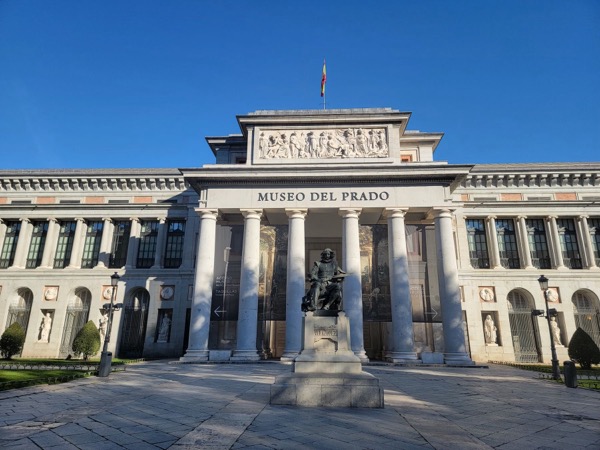
City🇪🇸 Madrid
 City
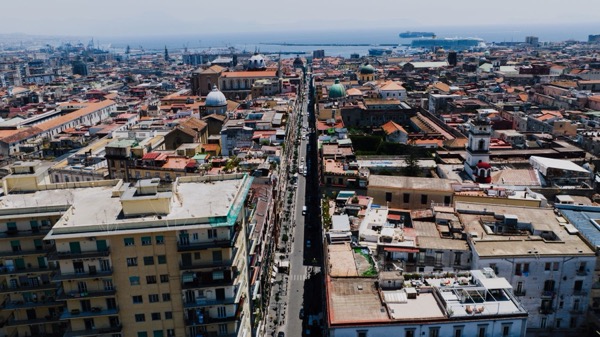
City🇮🇹 Naples
 Country
🇮🇪 Ireland
 City
City🇬🇧 Northern Ireland
 City
City🇮🇪 Cork
 City
City🇬🇧 Belfast
 Country
🇳🇱 The Netherlands
 City
City