
Best time to travel in Cincinnati?
→ The detailed month-by-month page, with 2015-2024 averages
Best time: April to June and September to October
Best avoided if possible: December to February (less pleasant weather or big crowds).
Temperatures and rainfall: 1991-2020 normals from the Cincinnati Lunken Airport station, NOAA data (public domain).
Humid continental in the Ohio Valley: hot, muggy summers around 30°C, cool winters around 4°C by day with frost at night and a little snow, and mild springs and autumns. The best time to visit Cincinnati is April, May, June, September and October, with temperatures reaching 29-30°C (July). By contrast, January, February, March, July, August, November and December are generally less favourable (less pleasant weather or big crowds, depending on the destination), though a trip is still possible with a bit of planning. In high season, book early: prices and visitor numbers climb fast.
Go against the flow. To avoid the crowds without sacrificing too much on the weather, aim for March and November: the crowds thin out, prices drop too, and the climate stays pleasant.
Do these months appeal to you? See what's best elsewhere too: where to go in April · where to go in May · where to go in June · where to go in September · where to go in October.
At a glance
Why go to Cincinnati?
In the mid-19th century, Cincinnati was one of the largest cities in the United States, a river port on the Ohio where German immigrants built breweries, churches and brick buildings packed tightly on the slopes. It was called the Queen of the West. That setting has survived: Over-the-Rhine, long abandoned, is now a restored historic district where you dine and go out behind façades from 1870, and the Art Deco station of Union Terminal, with its mosaic rotunda, is one of the finest buildings of the 1930s in the country.
The city also tells an essential chapter of American history. The Ohio marked the border between slave-holding Kentucky and free Ohio, and Cincinnati was a major stop on the Underground Railroad: Harriet Beecher Stowe lived here before writing Uncle Tom's Cabin. The Freedom Center, facing the river, turns it into a deeply moving museum, to see before walking across the Roebling Bridge to Kentucky.
Finally, Cincinnati is a food-loving, family-friendly city on a human scale. You eat a cinnamon-spiced chili served on spaghetti, goetta for breakfast and Graeter's ice cream, and you visit one of the oldest zoos in the country and a free art museum at the top of Eden Park. With a direct flight from Europe for much of the year, it is also a convenient gateway to Kentucky, its bourbon distilleries and the rest of Ohio.
Tourist map of Cincinnati: what's where?
The map below pinpoints the 6 places covered in this guide: a handy way to picture the distances between each stop and plan your route in Cincinnati.
- Over-the-Rhine
- Findlay Market
- Union Terminal
- Freedom Center
- Roebling Bridge
- Cincinnati Zoo
How much does a trip to Cincinnati cost in 2026? Budget calculator
Estimate your budget for Cincinnati based on your travel style: accommodation, meals, activities and local transport included (flights excluded). Adjust the length and the number of travellers, and the totals update.
Totals for all travellers over the chosen length; the daily amount is per person. Flights extra, indicative amounts to adjust depending on the season.
Cards are accepted everywhere, and the free streetcar means no hunting for change. Prices are shown before tax: allow around 7.8% extra on purchases in Hamilton County, 6% in neighbouring Kentucky, and more on hotel rooms. A tip of 18 to 20% is expected in restaurants, $1-2 per drink at the bar.
Safety in Cincinnati: should you be worried?
Downtown, The Banks, Over-the-Rhine, Mount Adams and Covington can be explored on foot without any particular difficulty by day and in the evening, sticking to busy streets. Over-the-Rhine, partly gentrified, still has poorer streets north and west of Findlay Market: at night, take the streetcar or a ride-hailing car home. As in all big American cities, a few neighbourhoods in the west see more crime, with nothing of interest to tourists. Leave nothing visible in cars. Summers are hot and sticky, with violent storms and sometimes tornado warnings, and the Ohio floods in some springs. Healthcare is excellent but very expensive, so health insurance covering the United States is essential.
Things to see and do in Cincinnati
Our first-hand favourites, and the great classics:
- Over-the-Rhine
- Findlay Market
- Cincinnati Museum Center
- National Underground Railroad Freedom Center
- Cincinnati Zoo & Botanical Garden
- Roebling Bridge
- Eden Park and Cincinnati Art Museum
- American Sign Museum
What to book before you go to Cincinnati →
🧭 Discover the Cincinnati itinerary, day by dayMap, timings, budget and where to stay: free to access, to fit your dates. Create my tailor-made itinerary →Over-the-Rhine

North of downtown, the 19th-century German district lines up Italianate brick buildings, churches and former breweries over some twenty streets. Vine Street and Main Street concentrate restaurants, cocktail bars and shops, Washington Park and the 1878 Music Hall form its heart, and Findlay Market occupies the northern end. Rhinegeist and other breweries have moved into former bottling plants, and tours of the underground cellars tell the story of the golden age of local beer.
Downtown and Fountain Square

The business district is organised around Fountain Square and its bronze fountain of 1871, where concerts and an ice rink in winter take place. The Carew Tower and the Netherland Plaza hotel, an Art Deco masterpiece from 1931, can be visited through their lobbies. The Taft Museum of Art, in an 1820 house, and Zaha Hadid's Contemporary Arts Center, opened in 2003, round off a morning. The free streetcar links downtown to Over-the-Rhine.
The Banks and the Ohio riverfront

Between the two stadiums, the Reds' and the Bengals', The Banks district lines the river with bars, terraces and Smale Riverfront Park, its fountains and gardens. The Freedom Center faces Kentucky here, and the Roebling Bridge springs out right next to it. Paddle steamer cruises leave from the bank for an hour or two on the Ohio.
Covington and Newport, on the Kentucky side

Across the Roebling Bridge, Covington keeps its Victorian houses, the bars of Roebling Point and MainStrasse Village, a German quarter of pedestrian streets. Newport, to the east, brings together the aquarium and the Newport on the Levee complex, linked to Cincinnati by the Purple People Bridge footbridge. Kentucky applies its own taxes and bar hours, and the distilleries of the Bourbon Trail begin an hour's drive away.
Eden Park, Mount Adams and the east

On the hill overlooking the loop of the Ohio, Eden Park brings together the free art museum, the Krohn Conservatory and lookouts over the valley. Mount Adams, a village of sloping streets at the foot of the park, lines up bars and restaurants with views. Further east, Hyde Park and Oakley are the city's elegant residential neighbourhoods, with their shopping squares and cafés.
Uptown, Clifton and the north

North of downtown, the University of Cincinnati campus, the Clifton neighbourhood and its boulevard of international restaurants lead to the zoo of 1875. Spring Grove Cemetery, a 300-hectare garden park among the largest in the country, and the American Sign Museum in Camp Washington are a few minutes away. Kings Island, the region's big amusement park, is 40 km to the north-east, on the motorway to Columbus.
How many days, and which itinerary in Cincinnati?
Two days are enough for Over-the-Rhine, Findlay Market, the riverfront and the Freedom Center. Three or four days add Union Terminal, the zoo, Eden Park and Covington. A week lets you add a loop through the Kentucky distilleries or Columbus and Hocking Hills.
🗺️ Day-by-day Cincinnati itinerary · 📓 Printable Cincinnati travel guide (PDF) · 🌍 Discover all of the American West
The weekend (2 days)
Day 1: Findlay Market in the morning, Over-the-Rhine on foot, Washington Park and the Music Hall, a tour of the brewery tunnels in the afternoon, dinner on Vine Street. Day 2: the Freedom Center at opening time, Smale Riverfront Park, a walk across the Roebling Bridge to Covington for lunch, back via downtown and Fountain Square, sunset from Eden Park and a drink in Mount Adams.
The city with the family (4 days)
The two days of the weekend, then a day at the zoo, in the morning for Fiona and the hippos, and the American Sign Museum in the afternoon. On the fourth day, Union Terminal and its three museums in the morning, the Eden Park art museum and the Krohn Conservatory in the afternoon. In summer, swap half a day for a paddle steamer cruise or for Kings Island for teenagers.
Cincinnati and Kentucky (7 days)
Three days in Cincinnati, then the car south: Lexington and its thoroughbred horse farms, 1 h 15 away, two days on the bourbon trail between the distilleries of Frankfort, Versailles and Bardstown, and a night in Louisville, on the Ohio, before heading back up to Cincinnati in 1 h 30. Allow about 550 km in total, and choose a designated driver for the tastings.
How to get to Cincinnati and get around?
From Europe, Delta flies non-stop from Paris-Charles de Gaulle to Cincinnati, in 9 h to 9 h 30 outbound, several times a week and daily in summer depending on the season. Otherwise, expect a connection in Atlanta, Detroit, New York or Chicago. The airport, called Cincinnati/Northern Kentucky, is actually in Kentucky, 20 km south-west of downtown, 20 minutes by taxi for $35-45, about €30-39.
The Connector streetcar runs a 5.8 km loop between the riverfront, downtown, Over-the-Rhine and Findlay Market, free of charge since 2020. It is the simplest way to get around between the districts visitors go to.
Metro buses serve the rest of the city, including the zoo, Uptown and Union Terminal, with a 24-hour pass at $4.40, about €4, or rides paid in the Transit app. TANK buses cross the river to Covington and Newport, and the Roebling Bridge can be crossed on foot.
The city is hilly and the sights are spread out: a car remains useful for combining the zoo, Union Terminal, Eden Park and the American Sign Museum in the same day, and essential for Kentucky. Downtown hotels charge $30-45, about €26-39, a night for parking.
Where to stay in Cincinnati?
Downtown and The Banks concentrate the hotels, within walking distance of Fountain Square, the riverfront, the stadiums and the streetcar to Over-the-Rhine. Expect €130-220 a night, more on game nights or for big concerts.
Several historic addresses add character to a stay: the 1931 Art Deco hotel of the Netherland Plaza, a contemporary art museum hotel, or late 19th-century buildings converted near Lytle Park and Fountain Square.
Covington and Newport, across the river in Kentucky, offer hotels that are often a little cheaper, with views of Cincinnati's towers, 10 minutes' walk away over the Roebling Bridge or the Newport footbridge.
With a car, the chain hotels of Midtown, Uptown near the university and the airport cost €90-130 a night, often with free parking.
Our picks stop by stop, in three price ranges →
What to eat in Cincinnati?
Cincinnati chili, invented by Greek and Macedonian immigrants in the 1920s, is a meat sauce spiced with cinnamon and cocoa, served on spaghetti and topped with grated cheese: you order a “three-way”, a “four-way” with onions or beans, or a “five-way” with both, at Skyline, Gold Star or neighbourhood chili parlors, for $8-12, about €7-10.
Goetta, an oat and pork patty inherited from the Germans, is eaten at breakfast, fried, with eggs; several butchers in Findlay Market sell it. Graeter's ice cream, made in small batches since 1870, with its big chunks of chocolate, is the other local pride.
Over-the-Rhine has the city's best restaurants, from modern American cooking to chef-led restaurants and cocktail bars, for $40-70, about €34-60, for dinner without drinks. Montgomery Inn's barbecue pork ribs have been an institution for decades.
Heir to the great German breweries, the city has many craft breweries, from Rhinegeist in Over-the-Rhine to the taverns of Covington. Expect $7-9, about €6-8, a pint. Tap water is safe to drink.
Which kind of traveller is it for?
Cincinnati lends itself to a cultural and foodie trip. Whether you travel as a couple, with family or even solo, everyone finds their own pace. For accommodation, you will mostly find classic hotels and boutique hotels.
Entry requirements & practical info
UK, Australian and most EU passports need an ESTA, applied for online before departure, for stays of up to 90 days; a few EU countries sit outside the Visa Waiver Program and need a full visa. Canadians need neither, only a passport. Anyone who has been to Cuba since January 2021 cannot use an ESTA and must apply for a visa.
Rules change: before you leave, check your country's official travel advice.
Once there, to stay online without paying roaming charges, an Cincinnati eSIM activates in a few minutes and works as soon as you land (plans from €3.99). Remember suitable travel insurance too.
Frequently asked questions about Cincinnati
When is the best time to visit Cincinnati?
From April to June and from September to October, with 18 to 27°C during the day. Spring brings the zoo's botanical garden into bloom, autumn colours the hills and Eden Park. Summer is hot and humid, around 30°C, but punctuated by Reds games and river festivals. Winter stays chilly, with a little snow.
Are there direct flights from Europe to Cincinnati?
Yes, Delta flies non-stop from Paris-Charles de Gaulle to Cincinnati, several times a week and more often in summer, in 9 h to 9 h 30 outbound. The rest of the time, a connection in Atlanta, Detroit or New York is necessary. The airport is in Kentucky, 20 minutes from downtown.
What is Cincinnati chili?
A finely minced meat sauce flavoured with cinnamon, cloves and cocoa, created by Greek immigrants in the 1920s. It is served on spaghetti with a mountain of grated cheddar, as a “three-way”, “four-way” or “five-way” depending on the toppings, or on small hot dogs called coneys.
Do you need a car in Cincinnati?
Not for downtown, Over-the-Rhine, Findlay Market and the riverfront, linked by the free streetcar, nor for Covington, 10 minutes' walk away over the Roebling Bridge. A car becomes useful for the zoo, Union Terminal, Eden Park and the American Sign Museum, and essential for the Kentucky distilleries.
Do you need a visa to visit Cincinnati?
Not for most European travellers, but an ESTA authorisation is compulsory, to be applied for online on the official US government website before departure. It is valid for tourist stays of up to 90 days, with a biometric passport.
Is the Cincinnati Art Museum free?
Yes, general admission to the Cincinnati Art Museum is free, as is its car park. Some temporary exhibitions charge. It is closed on Mondays and stays open until 8 p.m. on Thursdays.
How many days do you need in Cincinnati?
Two days for the highlights, three or four to add the zoo, Union Terminal and Eden Park. A week allows a loop through Kentucky, between Lexington, the bourbon distilleries and Louisville.
Similar destinations
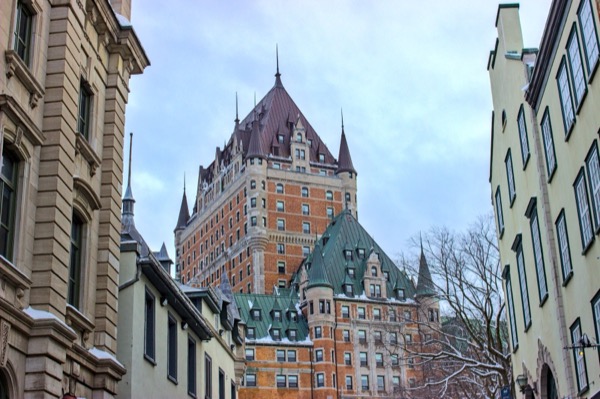 City
🇨🇦 Montreal and Quebec City
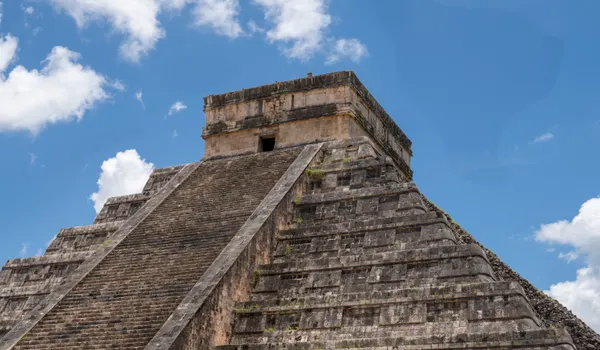 Countries
🇲🇽 Mexico
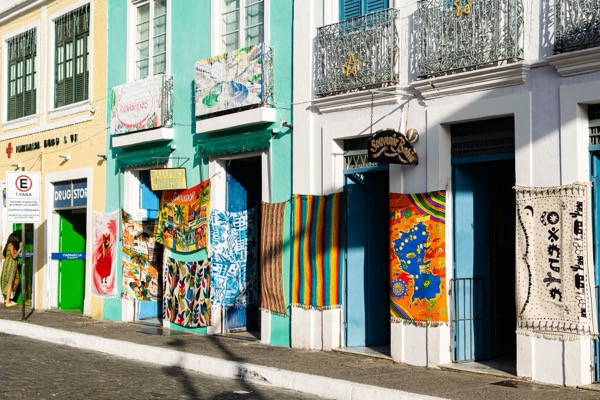 City
🇧🇷 Salvador da Bahia
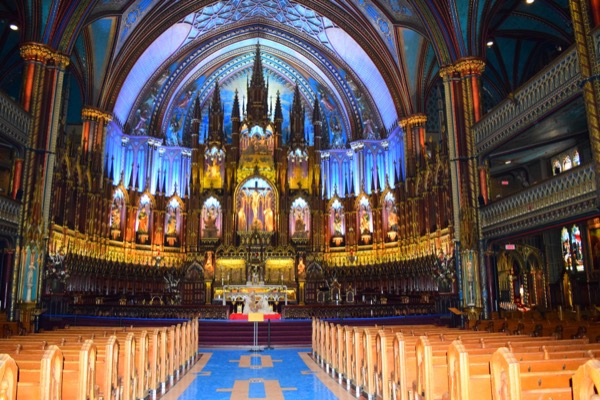 City
🇨🇦 Montreal
 City
🇨🇦 Quebec City
 Countries
🇦🇷 Argentina
 City
🇦🇷 Buenos Aires
 City
🇨🇴 Cartagena
 City
🇺🇸 Las Vegas
 Region