
Best time to travel in Detroit?
→ The detailed month-by-month page, with 2015-2024 averages
Best time: May to October
Best avoided if possible: December to March (less pleasant weather or big crowds).
Temperatures and rainfall: 1991-2020 normals from the Detroit City Airport station, NOAA data (public domain).
Humid continental on the Detroit River: hot summers around 29°C with thunderstorms, cold, grey winters close to 0°C by day, about a metre of snow a year, and mild, colourful autumns. The best time to visit Detroit is May, June, July, August, September and October, with temperatures reaching 28-29°C (July). By contrast, January, February, March, April, November and December are generally less favourable (less pleasant weather or big crowds, depending on the destination), though a trip is still possible with a bit of planning. In high season, book early: prices and visitor numbers climb fast.
Go against the flow. To avoid the crowds without sacrificing too much on the weather, aim for April and November: the crowds thin out, prices drop too, and the climate stays pleasant.
Do these months appeal to you? See what's best elsewhere too: where to go in May · where to go in June · where to go in July · where to go in August · where to go in September · where to go in October.
At a glance
Why go to Detroit?
Detroit invented modern America: the Model T rolling off the Highland Park assembly lines in 1913, the great General Motors and Chrysler plants, the wages that drew hundreds of thousands of Black workers from the South and Polish, Maltese and Lebanese immigrants from Europe and beyond. The city reached 1.8 million inhabitants in 1950, then lost two-thirds of them, leaving whole districts empty and a municipal bankruptcy in 2013. This past can be read everywhere, in the Art Deco skyscrapers of the golden age as in the vacant lots.
For the past ten years, downtown has been rebuilding before your eyes. The Guardian Building and the Fisher Building have recovered their gilded lobbies, the grand hotels of the 1920s have reopened, Ford has restored the Michigan Central station, the riverside promenade has replaced the warehouses and the streetcar runs up Woodward Avenue free of charge. People come to see this revival up close, with its contrasts, in a city that can still be visited without crowds.
Detroit is also the city of Motown, techno and garage rock, and one of the country's great art cities, with the Detroit Institute of Arts and the Diego Rivera murals. It is a pleasure to eat your way around, from "coney" hot dogs to square pizzas and the Lebanese restaurants of Dearborn. And with direct flights from Europe, it serves as a gateway to the Great Lakes, to Michigan and to Windsor, in Canada, just across the river.
Tourist map of Detroit: what's where?
The map below pinpoints the 6 places covered in this guide: a handy way to picture the distances between each stop and plan your route in Detroit.
- Guardian Building
- Detroit Institute of Arts
- Eastern Market
- Belle Isle
- Michigan Central
- Henry Ford Museum
How much does a trip to Detroit cost in 2026? Budget calculator
Estimate your budget for Detroit based on your travel style: accommodation, meals, activities and local transport included (flights excluded). Adjust the length and the number of travellers, and the totals update.
Totals for all travellers over the chosen length; the daily amount is per person. Flights extra, indicative amounts to adjust depending on the season.
Cards are accepted everywhere, contactless included. Prices are shown before tax: 6% sales tax in Michigan, and considerably more on downtown hotel rooms. A tip of 18 to 20% is expected in restaurants and taxis, and $1-2 per drink at the bar.
Safety in Detroit: should you be worried?
Downtown, Midtown, Corktown, Eastern Market and the RiverWalk can be explored on foot without difficulty by day and in the evening, with a strong police and private security presence. Detroit does, however, retain a high crime rate in many residential districts, often half empty, which hold no interest for tourists: travel by car or ride-hailing to leave the central areas and avoid walking alone at night away from busy streets. Thefts from cars are frequent, so leave nothing visible. Winter brings snow, ice and intense cold from December to March. For Windsor, in Canada, a passport is compulsory, and the return to the United States goes through a border check. Medical care is excellent but very expensive, so health insurance covering the United States is essential.
Things to see and do in Detroit
Our first-hand favourites, and the great classics:
- Detroit Institute of Arts
- Henry Ford Museum
- Charles H. Wright Museum
- Eastern Market
- Belle Isle
- Detroit RiverWalk
- Guardian Building
- Michigan Central
What to book before you go to Detroit →
🧭 Discover the Detroit itinerary, day by dayMap, timings, budget and where to stay: free to access, to fit your dates. Create my tailor-made itinerary →Downtown and Campus Martius

Downtown radiates out from Campus Martius, a square with an ice rink in winter and a sandy beach in summer, surrounded by 1920s skyscrapers and corporate headquarters. The Guardian Building, the restored Book Tower and the grand historic hotels can be visited through their lobbies. The People Mover, a free automated elevated railway, loops around downtown in a quarter of an hour, and the Renaissance Center, the former headquarters of General Motors, towers over the river. Greektown, the Fox Theatre of 1928 and the Tigers' and Lions' stadiums are a few streets away.
Midtown and the Cultural Center

North of downtown on the QLine streetcar, Midtown groups together the Detroit Institute of Arts, the Charles H. Wright Museum, the science museum, the public library and the Wayne State campus. The nearby streets, around Cass Avenue and Canfield Street, line up designer boutiques, cafés and restaurants. Further north, New Center is home to the Fisher Building of 1928 and the house of Motown, Hitsville U.S.A., where Berry Gordy launched his label in 1959.
Corktown and Michigan Central

The city's oldest district, founded by Irish immigrants in the mid-19th century, keeps its wooden and brick houses along Michigan Avenue. The Michigan Central station, restored by Ford, dominates its western end. Bars, cafés, barbecue joints and chef-led restaurants have moved into former shops, and the site of the old Tigers stadium has become a neighbourhood sports field.
Eastern Market and the riverfront

North-east of downtown, Eastern Market brings together market gardeners and craftspeople on Saturdays in its halls of 1891, among giant murals. The Dequindre Cut, a former sunken railway line turned cycle path, runs down to the RiverWalk, which follows the Detroit River east to Belle Isle. The riverside parks have urban beaches, water play areas and terraces facing Canada.
Dearborn

15 km to the west, Henry Ford's home town is home to the Henry Ford Museum, Greenfield Village and the starting point of the Rouge factory tour. It is also the heart of the largest Arab American community in the country, with the Arab American National Museum and dozens of bakeries and Lebanese, Yemeni and Iraqi restaurants on Warren Avenue and Michigan Avenue.
Day trips: Ann Arbor, Hamtramck and Windsor

Hamtramck, an enclave within Detroit, remains a small town of Polish origin with bakeries famous for their pączki doughnuts. Ann Arbor, 70 km to the west, is a lively college town built around the University of Michigan. Windsor, in Canada, is reached in ten minutes through the tunnel or over the Ambassador Bridge, passport in hand, for the view of Detroit's skyline from the other bank.
How many days, and which itinerary in Detroit?
Three days are enough for downtown, Midtown and its museums, Eastern Market and the RiverWalk. Four or five days add Dearborn, the Henry Ford Museum and Belle Isle. A week or more lets you head off towards Lake Michigan and Mackinac Island.
🗺️ Day-by-day Detroit itinerary · 📓 Printable Detroit travel guide (PDF) · 🌍 Discover all of the American West
The weekend (3 days)
Day 1: Campus Martius, the Guardian Building lobby, a ride on the People Mover, then the RiverWalk to the Renaissance Center and dinner in Greektown or Corktown. Day 2: Midtown by QLine, the Detroit Institute of Arts in the morning, the Charles H. Wright Museum in the afternoon, an evening in Midtown. Day 3: Eastern Market on Saturday morning, the Dequindre Cut by bike down to the river, Belle Isle in the afternoon, and the Michigan Central station before dinner.
Detroit and the motor car (5 days)
The three days of the weekend, then a whole day in Dearborn: the Henry Ford Museum in the morning, the Rouge factory tour at midday, a Lebanese lunch on Warren Avenue. On the fifth day, the Fisher Building and New Center, Hamtramck and its Polish bakeries, then a round trip to Windsor, in Canada, for the view of Detroit at sunset, passport in hand.
Michigan's Great Lakes (10 days)
Three days in Detroit, a night in Ann Arbor, then across the state westwards to Lake Michigan: Grand Rapids, the Sleeping Bear Dunes and Traverse City, with its vineyards and cherry orchards. Then head north to the Straits of Mackinac for Mackinac Island, where cars are banned, before returning south to Detroit on the I-75 motorway. Allow about 1,300 km in all.
How to get to Detroit and get around?
From Europe, Delta and Air France fly non-stop from Paris-Charles de Gaulle to Detroit, in 8 h 30 to 9 h on the outbound leg. Detroit Metropolitan Airport is in Romulus, 30 km south-west of downtown, 25 to 40 minutes by road. A taxi or ride-hail costs $50-70, about €43-60.
Downtown, the People Mover, a 4.7 km automated elevated railway with 13 stations, loops around the business district free of charge. The QLine streetcar runs 5.3 km up Woodward Avenue to New Center, serving Midtown and its museums, also free of charge.
DDOT and SMART buses serve the rest of the metropolitan area, but services are infrequent. MoGo bike-share bikes are handy for the RiverWalk, the Dequindre Cut, Eastern Market and Belle Isle, on flat terrain.
Detroit remains a car city: a car is essential for Dearborn, Hamtramck, Ann Arbor and the rest of Michigan, and handy for Belle Isle. The motorways are fast and parking is easy outside downtown; downtown hotels charge $30-50, about €26-43, a night.
Where to stay in Detroit?
Downtown concentrates most of the hotels, within walking distance of Campus Martius, the RiverWalk and the stadiums: expect €140-250 a night, more on weekends with big concerts and during the motor show.
Detroit has turned its historic buildings into hotels with character: a 1929 fire station, a 1920s piano store building, the David Whitney skyscraper of 1915 or the Book Cadillac, a grand hotel of 1924. These are the places to choose to get a feel for the city's golden age.
Midtown and Corktown offer smaller, quieter places, including an inn set in Victorian houses near the museums and recent hotels on Michigan Avenue.
With a car, Dearborn and the airport area offer chain hotels at €90-130 a night, parking included, handy for the Henry Ford Museum and for arrival or departure.
Our picks stop by stop, in three price ranges →
What to eat in Detroit?
The coney, a hot dog topped with bean-free chili, mustard and onions, is the city's speciality: American Coney Island and Lafayette Coney Island, two neighbouring counters on Lafayette Boulevard, have been competing for fans for nearly a century, for less than $10 a plate.
Detroit-style pizza, baked in rectangular steel trays once used in the factories, with a caramelised cheese crust and the sauce on top, was born at Buddy's in 1946 and is eaten all over the city for $15-25, about €13-22.
Dearborn serves the best Middle Eastern food in the country: mezze, shawarma, Lebanese pastries and Yemeni coffee houses on Warren Avenue. Mexicantown, south-west of downtown, and the Polish bakeries of Hamtramck complete the neighbourhood food map.
Corktown, Midtown and downtown group together the chef-led restaurants and cocktail bars, for $40-70, about €34-60, for dinner excluding drinks. Craft breweries are plentiful, a pint costs $7-9, about €6-8, and Vernors ginger ale is the local drink.
Which kind of traveller is it for?
Detroit lends itself to a cultural and foodie trip. Whether you travel as a couple, with friends or even with family, everyone finds their own pace. For accommodation, you will mostly find classic hotels and boutique hotels.
Entry requirements & practical info
UK, Australian and most EU passports need an ESTA, applied for online before departure, for stays of up to 90 days; a few EU countries sit outside the Visa Waiver Program and need a full visa. Canadians need neither, only a passport. Anyone who has been to Cuba since January 2021 cannot use an ESTA and must apply for a visa.
Rules change: before you leave, check your country's official travel advice.
Once there, to stay online without paying roaming charges, an Detroit eSIM activates in a few minutes and works as soon as you land (plans from €3.99). Remember suitable travel insurance too.
Frequently asked questions about Detroit
When is the best time to visit Detroit?
From May to October, with 20 to 29°C during the day and the terraces of Corktown, the RiverWalk and Belle Isle in full swing. September and October add autumn colours and gentler hotel prices. Winter is cold and snowy, but the museums and grand lobbies can be visited without crowds.
Are there direct flights from Europe to Detroit?
Yes. Delta and Air France fly non-stop from Paris-Charles de Gaulle to Detroit, in 8 h 30 to 9 h on the outbound leg. The airport is 30 km south-west of downtown, about 30 minutes by road.
Is Detroit safe for tourists?
The districts visitors go to, downtown, Midtown, Corktown, Eastern Market and the RiverWalk, are lively and well watched, and can be explored on foot without difficulty. The city still has tough residential districts, of no interest to a visitor: you cross them by car. Leave nothing visible in the vehicle.
Do you need a car in Detroit?
Not for downtown and Midtown, linked free of charge by the People Mover and the QLine streetcar. It becomes necessary for Dearborn and the Henry Ford Museum, Hamtramck, Ann Arbor and the rest of Michigan, and handy for Belle Isle.
Can you go to Canada from Detroit?
Yes, Windsor, in Ontario, lies just opposite, ten minutes away through the tunnel or over the Ambassador Bridge. You need a passport and should allow for two border checks, on the way there and on the way back. Canada's electronic travel authorisation is required only when flying: by road, a passport is enough for European travellers to enter Canada.
Do I need a visa to visit Detroit?
Not for most European travellers, but an ESTA authorisation is compulsory, to be applied for online on the official US government website before departure. It is valid for tourist stays of up to 90 days, with a biometric passport.
How many days do you need in Detroit?
Three days for downtown, Midtown and its museums, Eastern Market and the river, five to add Dearborn, Belle Isle and Windsor. Detroit is also the starting point for a tour of ten days or so towards Lake Michigan and Mackinac Island.
Similar destinations
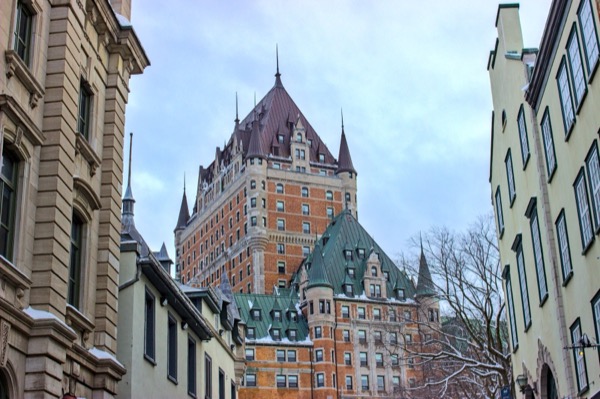 City
🇨🇦 Montreal and Quebec City
 Countries
🇲🇽 Mexico
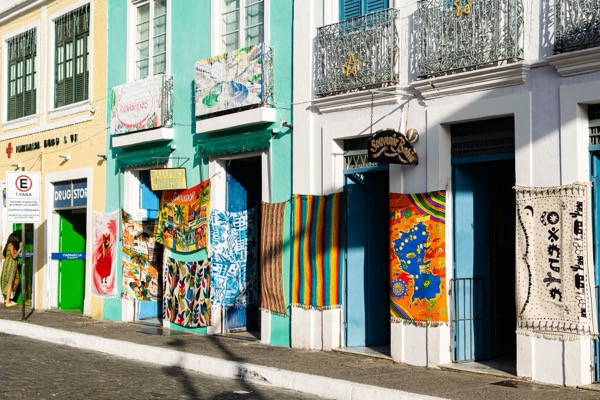 City
🇧🇷 Salvador da Bahia
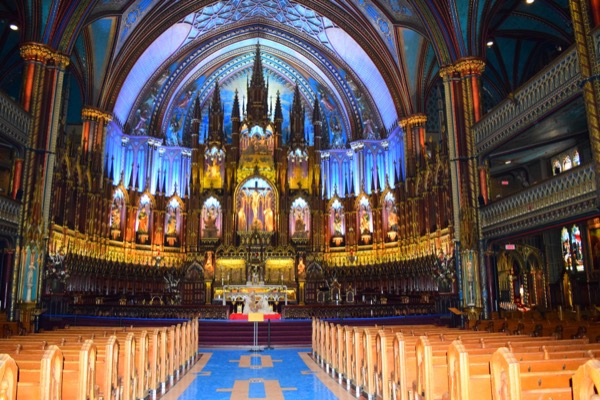 City
🇨🇦 Montreal
 City
🇨🇦 Quebec City
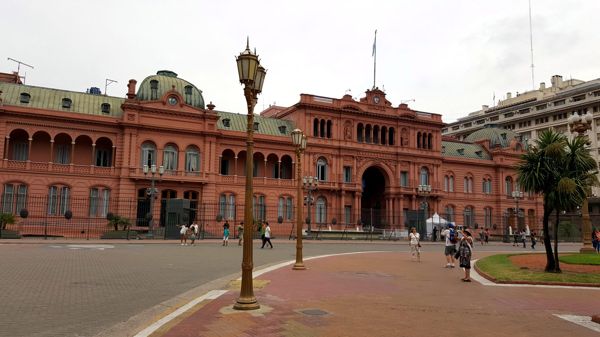 Countries
🇦🇷 Argentina
 City
🇦🇷 Buenos Aires
 City
🇨🇴 Cartagena
 City
🇺🇸 Las Vegas
 Region