When to go to Ecuador?
→ The detailed month-by-month page, with real weather records
Best time: June to September
At a glance
Why go to Ecuador?
Small in size, Ecuador packs in a diversity that leaves you speechless. In a few hours on the road, you go from the snowy summits of the Andes to the humid heat of the Amazon, then on to the beaches of the Pacific. Add the Galápagos, a living laboratory of evolution, and you have one of the most intense countries on the continent. Here, geography is a demonstration.
The country owes its magic to its backbone: the Avenue of the Volcanoes, a chain of snow-capped giants running through the centre. Cotopaxi, almost perfect in shape, watches over windswept páramos. Indigenous markets such as Otavalo overflow with textiles and colour. Everywhere you feel the presence of Quechua cultures, alive and proud.
Travelling in Ecuador also means playing with the scales of life. In the Galápagos, giant tortoises and marine iguanas superbly ignore visitors. In the Amazon, the forest rustles with a thousand sounds at nightfall. The country is best crossed without hurrying, dollars in your pocket, to the slow and generous rhythm of the Andes.
Map of Ecuador: what is where?
The map shows the 6 places covered in this guide, to picture the distances and plan your route.
- Galápagos Islands
- Quito
- Yasuní National Park
- Cotopaxi
- Baños
- Cuenca
How much does a trip to Ecuador cost?
Mainland Ecuador is very affordable thanks to its use of the US dollar. The Galápagos, on the other hand, blow the budget.
| Style | Per day | What it covers |
|---|---|---|
| Backpacker | €25-40/day | Dorm, local buses, market meals and cheap set menus of the day. |
| Comfort | €55-90/day | Double room, a guide for Cotopaxi or the Amazon, good restaurants. |
| Premium | €150+/day | Charming haciendas, Amazon lodges and a Galápagos cruise. |
Ecuador uses the US dollar; withdraw cash in the towns, as it is essential in the countryside and small villages.
Is Ecuador safe?
Ecuador has called for greater vigilance for some years now, particularly in Guayaquil and in certain border areas that should be avoided. In the Andes and at the classic tourist sites, travel remains generally relaxed if you take the usual precautions. Take time to acclimatise to the altitude in Quito and on climbs. Antimalarial treatment and mosquito protection are recommended for the Amazon.
What to see and do in Ecuador
- Quito and its colonial centre
- the Avenue of the Volcanoes (Cotopaxi)
- the Otavalo market
- the Ecuadorian Amazon
- the Galápagos Islands
Galápagos Islands

This volcanic archipelago, isolated in the Pacific, is a wildlife sanctuary. Giant tortoises, marine iguanas, blue-footed boobies and fur seals live here without fear of humans. Snorkelling reveals rays, sharks and playful sea lions. Access is regulated and comes at a cost, but the experience is unforgettable.
Quito 2 920 m

The capital stretches out at an altitude of 2,850 metres, in a setting of volcanoes. Its UNESCO-listed colonial historic centre lines up gilded Baroque churches and cobbled squares. The TelefériQo cable car climbs to nearly 4,000 metres for a panoramic view. Close by, the equator line can be visited at the Mitad del Mundo monument.
The Amazon and Yasuní
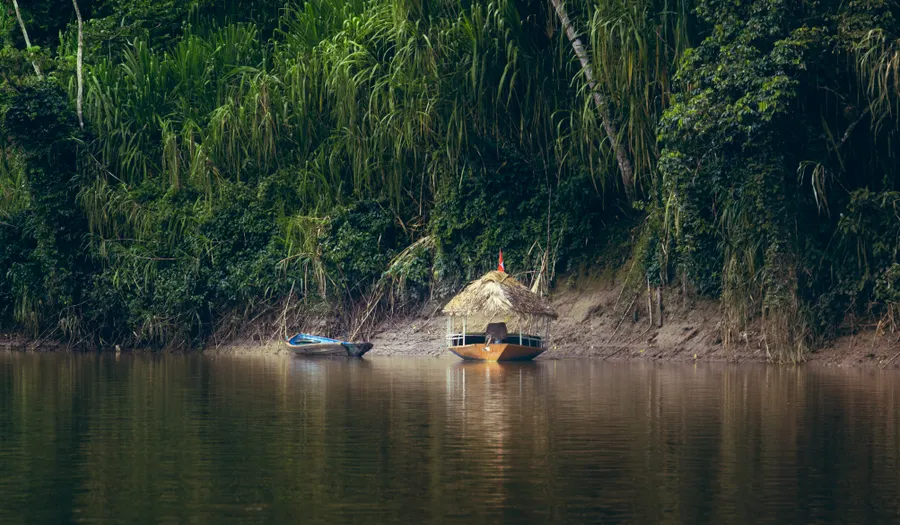
Yasuní National Park is among the most biodiverse places on the planet. From a riverside lodge, you set off by dugout canoe to watch monkeys, caimans and birds. Observation towers rise above a canopy teeming with life. Indigenous communities share their intimate knowledge of the forest.
Avenue of the Volcanoes and Cotopaxi 5 843 m

This legendary route links a succession of snow-capped volcanoes south of Quito. Cotopaxi, an almost perfect cone rising to 5,897 metres, is the star. You can hike up to the refuge at 4,800 metres or around the Limpiopungo lagoon. The surrounding páramos are home to wild horses and condors.
Baños

Nestled between mountain and jungle, this small town is the capital of adventure. Here you can go rafting, ziplining and ride the famous swing at the end of the world. The Route of the Waterfalls leads to the impressive Pailón del Diablo. In the evening, you unwind in thermal baths heated by the Tungurahua volcano.
Cuenca 2 548 m
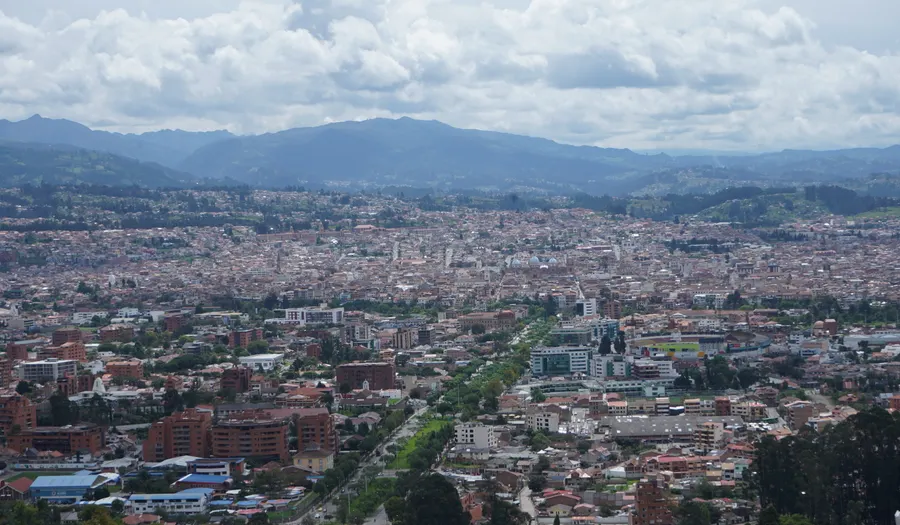
This elegant colonial city in the south charms with its well-preserved character. Its blue domes, cobbled streets and houses with flower-decked balconies invite you to wander. The market is full of Panama hats, which are in fact made right here. The nearby Cajas National Park unfolds its high-altitude lagoons.
How many days, and which itinerary?
Two weeks let you combine the Andes, the Amazon and an escape to the Galápagos without feeling rushed.
🗺️ Day-by-day itinerary · 📓 Free printable Ecuador guide (PDF)
Andean essentials (8 days)
Two days in Quito, then Cotopaxi and the Avenue of the Volcanoes. Carry on to Baños for adventure and waterfalls before reaching the Otavalo market.
Land and sea (15 days)
Combine Quito, Cotopaxi and Baños, then a three-day immersion in the Amazon. The trip ends with five days in the Galápagos, on a cruise or a land-based stay.
The colonial South (10 days)
From Quito, head south to Riobamba and Chimborazo, then Cuenca and Cajas National Park. The final days explore Loja and the traditional villages of the south.
Getting there and getting around
Buses are cheap and serve the whole country, often on spectacular but sometimes slow journeys.
Planes link Quito and Guayaquil with the Galápagos, the only realistic option for the archipelago.
A hire car or a private driver makes the Avenue of the Volcanoes and rural areas easier.
In Quito, taxis and ride-hailing apps are affordable; agree the fare or insist on the meter.
Where to stay in Ecuador?
Hostels: €10-25 a night, very common in the Andean towns.
Boutique hotels and haciendas: €40-90 for a double room, often in beautiful colonial mansions.
Amazon lodges: €100-200 per person per night, generally all-inclusive.
Galápagos: from €40 in a hostel to several hundred euros a night on a cruise.
Our places to stay, stop by stop, at three budgets →
What to eat in Ecuador?
Ecuadorian ceviche, often made with prawns served in their lime juice.
Locro de papa, a creamy potato soup with cheese and avocado.
Hornado, slow-roasted pork, served with toasted corn and potato cakes.
Encebollado, a tuna and cassava soup, the national hangover cure.
Entry requirements
Visa-free for 90 days in any 12 months for EU, UK, US, Canadian and Australian passports, which must be valid six months from arrival. For the Galápagos you also need a transit control card bought before check-in, health insurance, and cash for the national park fee on landing.
Rules change: check your own government's travel advice before you go.
Cities and regions to discover
 Region
🇪🇨 The Galápagos Islands
 City
City🇪🇨 Quito
Frequently asked questions about Ecuador
When is the best time to go?
The dry season, from June to September, is ideal for the Andes and hiking. The Galápagos can be visited all year round, with warmer seas from December to May. The Amazon is humid all the time.
What daily budget should I plan for?
Allow around €25-40 a day as a backpacker on the mainland, very affordable thanks to the dollar. The Galápagos push the bill up to several hundred euros a day.
How do I get around the country?
Cheap, frequent buses link all the towns on the mainland. Flying is essential to reach the Galápagos. A private driver or a car makes the Avenue of the Volcanoes easier.
Are the Galápagos expensive?
Yes, the archipelago is the biggest expense of the trip. Between the flight, the park entry fee and accommodation, plan for a substantial budget. A land-based stay costs less than a cruise.
Similar destinations
 Country
🇨🇴 Colombia
 Country
🇻🇳 Vietnam
 Country
🇮🇩 Indonesia
 Country
🇱🇰 Sri Lanka
 Country
🇺🇸 The American West
 Region
🇧🇷 Northeast Brazil
 City
City🇧🇴 Lake Titicaca (Copacabana)
 Country
🇨🇱 Chile
 Country