
Best time to travel in Houston?
→ The detailed month-by-month page, with 2015-2024 averages
Best time: March to April and October to November
Best avoided if possible: January and June to August (less pleasant weather or big crowds).
Temperatures and rainfall: 1991-2020 normals from the Houston Hobby Airport station, NOAA data (public domain).
Humid subtropical: long, hot, muggy summers around 34°C from June to September, violent thunderstorms and possible flash floods, mild winters around 17°C by day, and a hurricane season from June to November. The best time to visit Houston is March, April, October and November, with temperatures reaching 34-35°C (July). By contrast, January, February, May, June, July, August, September and December are generally less favourable (less pleasant weather or big crowds, depending on the destination), though a trip is still possible with a bit of planning. In high season, book early: prices and visitor numbers climb fast.
Go against the flow. To avoid the crowds without sacrificing too much on the weather, aim for February, May, September and December: the crowds thin out, prices drop too, and the climate stays pleasant.
Do these months appeal to you? See what's best elsewhere too: where to go in March · where to go in April · where to go in October · where to go in November.
At a glance
Why go to Houston?
Houston does not reveal itself at first glance. The country's fourth-largest city, with more than two million inhabitants and seven million including the suburbs, it sprawls across a humid plain crossed by bayous and twelve-lane motorways, with no zoning, where a glass tower can spring up next to a wooden house. It grew rich on oil and its port, then on the space race: the first sentence addressed to Earth from the Moon, in 1969, began with "Houston". The NASA centre, in Clear Lake, can still be visited.
The surprise comes from its culture. Oil fortunes built a Museum District of nineteen museums within a 2 km radius, including a first-rate fine arts museum and a very popular natural history museum, and a couple of French-born collectors, the de Menils, gave the city a free collection and the Rothko Chapel, a place of contemplation known the world over. The venues of the Theater District host opera, ballet and symphony concerts all year round.
Finally, Houston is the most diverse city in the United States, where more than 140 languages are spoken, and you can taste it. Texas barbecue, Tex-Mex, with the city claiming the fajitas, Vietnamese and Chinese food on Bellaire Boulevard, Nigerian, Indian or Salvadoran cooking: you eat better and more cheaply here than in most big American cities. With Galveston and the sea an hour away, it is a direct gateway to Texas from Europe.
Tourist map of Houston: what's where?
The map below pinpoints the 6 places covered in this guide: a handy way to picture the distances between each stop and plan your route in Houston.
- Downtown and Discovery Green
- Museum District
- Menil Collection
- Buffalo Bayou Park
- Space Center Houston
- San Jacinto Monument
How much does a trip to Houston cost in 2026? Budget calculator
Estimate your budget for Houston based on your travel style: accommodation, meals, activities and local transport included (flights excluded). Adjust the length and the number of travellers, and the totals update.
Totals for all travellers over the chosen length; the daily amount is per person. Flights extra, indicative amounts to adjust depending on the season.
Cards are accepted everywhere, contactless included. Prices are shown before tax: 8.25% on purchases and meals, and about 17% on hotel rooms with state, city and county taxes. A tip of 18 to 20% is expected in restaurants, and $1-2 per drink at the bar. Hotels often charge for parking and sometimes add resort fees.
Safety in Houston: should you be worried?
Houston is a big American city with marked differences between districts. The areas visitors frequent, the Museum District, Montrose, the Heights, the Galleria and downtown during the day, are safe with the usual precautions; leave nothing visible in the car, as thefts from vehicles are frequent. Downtown empties in the evening outside the theatres. The main danger is the weather: violent storms and torrential rain can flood roads in minutes, so never drive down a flooded street, and the hurricane season runs from June to November. In summer, the humid heat often exceeds 35°C, feeling like 40°C: drink plenty and limit walking in the middle of the day. Medical care, including the Texas Medical Center, the largest medical complex in the world, is excellent but very expensive: insurance covering the United States is essential.
Things to see and do in Houston
Our first-hand favourites, and the great classics:
- Space Center Houston
- Museum of Fine Arts, Houston
- Menil Collection and Rothko Chapel
- Houston Museum of Natural Science
- Buffalo Bayou Park
- Hermann Park
- San Jacinto Battleground
- Bellaire Boulevard Chinatown
What to book before you go to Houston →
🧭 Discover the Houston itinerary, day by dayMap, timings, budget and where to stay: free to access, to fit your dates. Create my tailor-made itinerary →The Museum District
South of downtown, around Hermann Park, some twenty museums within a 2 km radius, including the Museum of Fine Arts, the natural history museum, the children's museum and the Contemporary Arts Museum, linked by streets shaded by oaks. The METRORail Red Line serves the district from downtown in about fifteen minutes. Hermann Park, the zoo, the Japanese garden and the Miller open-air theatre are next door, so you can spend a whole day here without a car.
Montrose and the Menil

West of the Museum District, Montrose is Houston's bohemian district, with its 1920s wooden houses, thrift shops, bars and some of the most creative restaurants in the city. The free Menil Collection campus spreads over several blocks of lawns and grey houses, with the Cy Twombly Gallery, the drawing institute and the Rothko Chapel. Westheimer Road and Montrose Boulevard concentrate the neighbourhood restaurants and cafés.
Downtown and Buffalo Bayou

The business district lines up its towers above an 11 km network of air-conditioned tunnels where office workers spend the summer. Discovery Green, a 5-hectare park in front of the convention centre, hosts concerts and markets, and the Theater District groups together opera, ballet and the symphony. Along the bayou, Buffalo Bayou Park offers cycle paths, kayaking, the underground Cistern of 1926 and the emergence of 300,000 bats at the Waugh Drive bridge at dusk.
The Heights

North-west of downtown, the Heights district, founded in the 1890s as a separate town, has kept its wooden bungalows, big porches and oak-lined streets. 19th Street, the main street, lines up vintage shops, cafés and craft breweries. A former railway line turned into a cycle path runs through the district in the shade. It is one of the most pleasant places to walk in Houston, and a good spot for dinner.
Clear Lake and NASA

To the south-east, 40 minutes from downtown, Clear Lake revolves around the Johnson Space Center, whose visitor centre, Space Center Houston, displays rockets and capsules and runs tram tours of the campus. Around the lake, marinas, seafood restaurants and the Kemah boardwalk, with its rides and waterfront restaurants. The San Jacinto battleground, to the north, and the road to Galveston, to the south, can be combined on the same day.
Bellaire Boulevard and the west

South-west Houston is home to the large Asian district of Bellaire Boulevard, which runs for several kilometres between bilingual shopping centres and Vietnamese, Chinese and Korean restaurants, and, further north, the Galleria shopping district, with its huge mall, its hotels and the Williams Tower Water Wall, a 20-metre semicircular fountain. These areas are reached by car, in 20 to 30 minutes from downtown depending on traffic.
How many days, and which itinerary in Houston?
Three days cover the Museum District, the Menil and the Rothko Chapel, Buffalo Bayou and a day out to NASA and San Jacinto. Four or five days let you add the Heights, Bellaire Boulevard and a day in Galveston. Houston is also the starting point for a tour of Texas, towards San Antonio and Austin.
🗺️ Day-by-day Houston itinerary · 📓 Printable Houston travel guide (PDF) · 🌍 Discover all of the American West
The long weekend (3 days)
Day 1: the Museum of Fine Arts in the morning, lunch in Montrose, the Menil Collection and the Rothko Chapel in the afternoon, a Tex-Mex dinner. Day 2: an early start for Space Center Houston to catch the morning trams, then San Jacinto Battleground and its monument, or a seafood dinner in Kemah. Day 3: Buffalo Bayou Park by bike and the Cistern in the morning, the Houston Museum of Natural Science in the afternoon, the bats at the Waugh Drive bridge at sunset.
Houston and Galveston (5 days)
The three days of the weekend, then an evening of dinner on Bellaire Boulevard and a morning in the Heights, before the road to Galveston, an hour to the south: the Strand, the Elissa and the seawall in the afternoon, a night there, and the free Bolivar ferry with its dolphins the next morning before heading back to the airport.
The Texas Triangle (10 days)
Three days in Houston including NASA, then the road west: San Antonio in three hours, two days for the Alamo, the River Walk and the Spanish missions, then Austin in an hour and a half, two days for the Capitol, live music and the Barton Springs pools, with a day in the Hill Country. Back to Houston in two and a half hours on Route 290, or a return flight from Austin.
How to get to Houston and get around?
From Europe, Air France flies non-stop from Paris-Charles de Gaulle to Houston-Bush Intercontinental, in about 10 h 30 on the outbound leg and 9 h 30 on the return. Bush airport is 36 km north of downtown, 35 to 50 minutes by road depending on traffic; Hobby airport, 19 km to the south-east, is used mainly for domestic flights.
A car is almost essential: the city spreads over nearly 1,700 km² and the sights are far apart, NASA 40 km away, San Jacinto 36 km, Bellaire Boulevard 20 km. Expect €45-80 a day for car hire. Avoid the motorways between 7am and 9am and between 4pm and 7pm, when traffic jams double journey times.
The METRORail, three light rail lines, links downtown, Midtown, the Museum District, Hermann Park and the Texas Medical Center for $1.25, about €1, a ride, the same price as the bus. It is enough for a day in the Museum District without a car. Ride-hailing cars are plentiful and handy in the evening.
Parking is easy outside downtown, often free in the Museum District and the neighbourhoods, and charged downtown and at hotels: expect $30-50 a night at a downtown hotel. Cycling suits the bayou trails, much less the big avenues, especially in summer.
Where to stay in Houston?
Downtown, around Discovery Green and the Theater District, concentrates the large chain hotels and a few renovated historic hotels, from €150 to €300 a night on weekdays, often less at weekends when the business travellers leave. It is handy for the METRORail and evenings at the theatre.
The Museum District and Montrose offer quiet hotels with character, a few minutes' walk from the museums, the Menil and the best neighbourhood restaurants, from €200 to €400 a night. It is the most pleasant base for a cultural stay.
The Galleria district, to the west, lines up the large luxury hotels around the mall, including several prestigious addresses, but you need a car for everything else. Prices there rise during the energy trade fairs.
On a small budget, the chain hotels near the Texas Medical Center, the Galleria or along the motorways cost €80-130 a night, with free parking. Avoid isolated roadside motels with poor reviews, and book early during the rodeo in February and March.
Our picks stop by stop, in three price ranges →
What to eat in Houston?
Houston claims to have popularised fajitas, served sizzling on a cast-iron platter, with handmade flour tortillas, queso and margaritas. Expect $15-25, about €13-22, a dish. Neighbourhood taquerias and taco trucks serve breakfast from 6am.
Texas barbecue, beef brisket smoked over oak for twelve hours, pork ribs and sausages, is ordered by weight on butcher paper, often with a queue at opening time at the best places. Expect $25-35 per person.
The Asian food of Bellaire Boulevard, Viet-Cajun crawfish from January to June, Gulf cooking with shrimp and oysters, and the chef-led restaurants of Montrose and the Heights make Houston one of the best cities in the country to eat in. A tip of 18 to 20% is expected at table.
Weekend brunch is an institution, as are the food trucks and craft breweries of the Heights and East Downtown. Air-conditioned restaurants are freezing in summer, so bring a jumper. Tap water is safe to drink.
Which kind of traveller is it for?
Houston lends itself to a cultural and foodie trip. Whether you travel with family, as a couple or even solo, everyone finds their own pace. For accommodation, you will mostly find classic hotels and boutique hotels.
Entry requirements & practical info
UK, Australian and most EU passports need an ESTA, applied for online before departure, for stays of up to 90 days; a few EU countries sit outside the Visa Waiver Program and need a full visa. Canadians need neither, only a passport. Anyone who has been to Cuba since January 2021 cannot use an ESTA and must apply for a visa.
Rules change: before you leave, check your country's official travel advice.
Once there, to stay online without paying roaming charges, an Houston eSIM activates in a few minutes and works as soon as you land (plans from €3.99). Remember suitable travel insurance too.
Frequently asked questions about Houston
When is the best time to visit Houston?
March-April and October-November, with 22 to 28°C and less humidity. Summer is very hot and sticky from June to September, with storms and the risk of hurricanes. February and March are livened up by the big Houston rodeo, during which hotels fill up. Winter is mild but changeable.
Are there direct flights from Europe to Houston?
Yes. Air France flies non-stop every day from Paris-Charles de Gaulle to Houston-Bush Intercontinental, in about 10 h 30 on the outbound leg and 9 h 30 on the return. Other airlines go via a connection in the United States or Europe.
Do you need a car in Houston?
Almost always. The Museum District and downtown can be done by METRORail, but NASA, San Jacinto, Bellaire Boulevard, the Heights and Galveston require a car or ride-hailing. Distances are long and public transport is limited outside the centre.
How much does Space Center Houston cost?
From $29.95 to $39.95 per adult online depending on the date, about €26-34, $5 more on site, plus $10 for parking. The trams to Rocket Park and the astronaut training building are included. The tour of the Apollo mission control room costs extra and must be booked in advance.
How many days should I spend in Houston?
Three days for the museums, the Menil, Buffalo Bayou and NASA. Five days to add Bellaire Boulevard, the Heights and Galveston. Houston is also the starting point for the Texas Triangle with San Antonio and Austin.
Are Houston's museums free?
Some are: the Menil Collection, the Rothko Chapel and the Noguchi sculpture garden are always free, and the permanent collections of the Museum of Fine Arts are free on Thursdays. The natural history museum costs $25 and the Museum of Fine Arts $24 on other days.
Is Houston dangerous?
Not for a careful visitor in the tourist districts. Thefts from cars are the most common risk. The real dangers are the summer heat and flash floods during storms: never drive down a flooded street.
Similar destinations
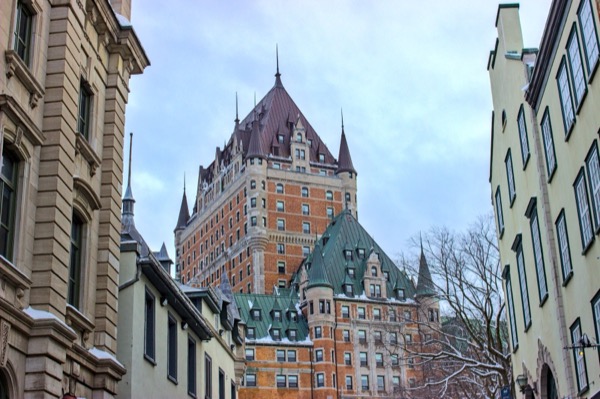 City
🇨🇦 Montreal and Quebec City
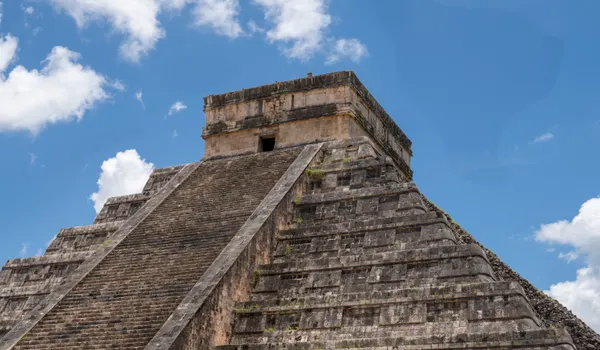 Countries
🇲🇽 Mexico
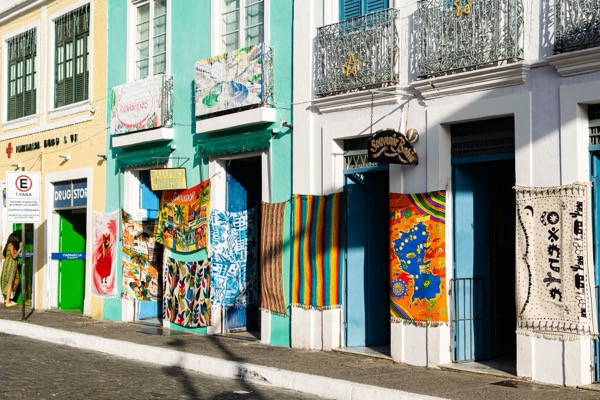 City
🇧🇷 Salvador da Bahia
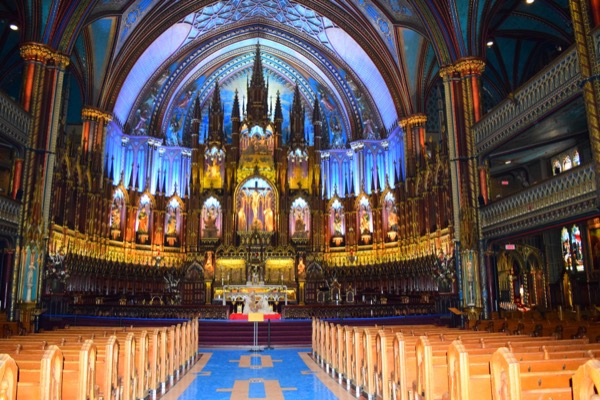 City
🇨🇦 Montreal
 City
🇨🇦 Quebec City
 Countries
🇦🇷 Argentina
 City
🇦🇷 Buenos Aires
 City
🇨🇴 Cartagena
 City
🇺🇸 Las Vegas
 Region