
Best time to travel in Glacier National Park?
→ The detailed month-by-month page, with 2015-2024 averages
Best time: July to September
Best avoided if possible: November to May (less pleasant weather or big crowds).
Temperatures and rainfall: 1991-2020 normals from the West Glacier station, NOAA data (public domain).
Continental mountain climate: short summers, hot by day in the valley around 27°C and cool at altitude, with afternoon thunderstorms; snow on the passes from October to June, so the pass road only opens fully between mid-June and mid-July. The best time to visit Glacier is July, August and September, with temperatures reaching 25-28°C (July, in the valley). By contrast, January, February, March, April, May, June, October, November and December are generally less favourable (less pleasant weather or big crowds, depending on the destination), though a trip is still possible with a bit of planning. In high season, book early: prices and visitor numbers climb fast.
Go against the flow. To avoid the crowds without sacrificing too much on the weather, aim for June and October: the crowds thin out, prices drop too, and the climate stays pleasant.
Do these months appeal to you? See what's best elsewhere too: where to go in July · where to go in August · where to go in September.
At a glance
Why go to Glacier National Park?
Glacier is the park of raw mountains. Here the Rockies form a barrier of limestone and red and green argillite, sculpted by Ice Age glaciers into U-shaped valleys, cirques and knife-edge ridges, with more than 700 lakes on the valley floors. Created in 1910, it formed, with Canada's Waterton Lakes National Park on the other side of the border, the first International Peace Park, in 1932, now a UNESCO World Heritage Site. The glaciers that gave it its name are melting fast: around 150 in the mid-19th century, 26 still active today.
It is also one of the great wildlife refuges of North America, having kept almost all of its original species. Around 300 grizzlies live in the park, along with black bears, wolves, lynx, wolverines, moose, mountain goats and bighorn sheep. Goats and bighorns can be seen at Logan Pass without any effort, moose in the marshes of Many Glacier, and grizzlies from the road on the slopes of Many Glacier, through binoculars.
Finally, Glacier is explored on foot more than by car: more than 1,100 km of trails link valleys, passes and lakes, with two historic chalets reachable only on foot, Granite Park and Sperry. The Going-to-the-Sun Road gives you the essentials in a day, but the park reveals itself on the hikes of Many Glacier and the North Fork, on the lakes by kayak, and in the evening in the timber lodges built by the Great Northern Railway in the early 20th century. It combines with Waterton Lakes in Canada, or with Yellowstone, six hours to the south.
Tourist map of Glacier National Park: what's where?
The map below pinpoints the 6 places covered in this guide: a handy way to picture the distances between each stop and plan your route in Glacier National Park.
- West Glacier
- Lake McDonald
- Logan Pass
- Many Glacier
- St. Mary Lake
- Bowman Lake
How much does a trip to Glacier National Park cost in 2026? Budget calculator
Estimate your budget for Glacier National Park based on your travel style: accommodation, meals, activities and local transport included (flights excluded). Adjust the length and the number of travellers, and the totals update.
Totals for all travellers over the chosen length; the daily amount is per person. Flights extra, indicative amounts to adjust depending on the season.
Cards are accepted in the park, at the entrances, in the lodges and at the village petrol stations; carry some cash for small shops. Montana has no sales tax, but accommodation pays about 8% in taxes, and Whitefish adds a local tax. The America the Beautiful pass for non-residents, $250, about €215, covers the entrance fee and the $100 (about €86) surcharge, and pays off from two major parks on the same trip.
Safety in Glacier National Park: should you be worried?
Glacier is grizzly territory, with around 300 in the park: carry bear spray on your belt when hiking and know how to use it, talk or sing in areas with poor visibility, walk in a group and never run. Stay 100 metres from bears and wolves and 25 metres from other animals, including the goats and bighorn sheep at Logan Pass. Drowning is the leading cause of death in the park: the water in the lakes and streams stays below 10°C, the rocks on the banks are slippery and the currents violent, so do not lean over the edge of the Avalanche or McDonald Creek gorges. At altitude, snow lingers on the trails until July, storms break in the afternoon and temperatures drop fast, so carry warm layers. Wildfires can close areas and veil the sky with smoke in August. Phone signal is almost non-existent, and the nearest hospital is in Kalispell or Whitefish. Insurance covering medical care in the United States is essential.
Things to see and do in Glacier National Park
Our first-hand favourites, and the great classics:
- Going-to-the-Sun Road
- Logan Pass and Hidden Lake
- Highline Trail
- Lake McDonald
- Avalanche Lake
- Grinnell Glacier
- St. Mary Lake
- Bowman Lake
What to book before you go to Glacier National Park →
🧭 Discover the Glacier National Park itinerary, day by dayMap, timings, budget and where to stay: free to access, to fit your dates. Create my tailor-made itinerary →West Glacier, Apgar and Lake McDonald

The west entrance, the busiest, 40 km from Kalispell airport. The village of West Glacier, outside the park, groups together hotels, rafting outfitters for the Flathead River and the Amtrak station. In the park, Apgar is a small village at the end of Lake McDonald, with the visitor centre, kayak rentals, cabins and the finest view of the lake at sunset. The road then follows the lake for 16 km to Lake McDonald Lodge, before climbing the valley towards Avalanche Creek and the Trail of the Cedars.
Logan Pass and the high road

The most spectacular stretch of the Going-to-the-Sun Road, between The Loop and Logan Pass, clings to the face of the Garden Wall with plunging views over the McDonald Valley. At the pass, at 2,026 metres, the visitor centre opens in summer, and two trails leave from the car park: Hidden Lake, accessible to everyone, and the Highline, a full day's walk. The car park, limited to three hours in summer, fills up early, and the shuttle to the pass runs on reserved tickets. On the east side, the road descends towards St. Mary Lake via the East Tunnel and the Jackson Glacier overlook.
St. Mary and the east side

On the east side, the mountains drop onto the Great Plains of Montana, on the territory of the Blackfeet Nation. St. Mary Lake, 16 km long, can be seen from the road with Wild Goose Island, and the trails to St. Mary Falls and Virginia Falls are easy. The village of St. Mary, at the entrance, is lined with motels, restaurants and the visitor centre. Browning, 50 km away, is home to the Museum of the Plains Indian, devoted to the peoples of the northern plains. The wind often blows hard on this side.
Many Glacier

The most alpine area and the richest in wildlife, in the north-east, reached by a 19 km road from the village of Babb. Around Swiftcurrent Lake and the Many Glacier Hotel, a Swiss-style chalet from 1915, start the park's finest hikes: Grinnell Glacier, Iceberg Lake, Ptarmigan Tunnel, Cracker Lake. Grizzlies are often spotted on the slopes from the hotel car park, through a spotting scope, and moose in the marshes of Fishercap Lake. The Many Glacier boats cross Swiftcurrent Lake and Lake Josephine.
Polebridge and Bowman Lake

The north-west of the park, in the valley of the North Fork of the Flathead, is reached in about an hour from West Glacier on slow, dusty dirt roads. Polebridge, at the entrance, is a hamlet off the power grid, known for the bakery at the Polebridge Mercantile. Further on, Bowman and Kintla lakes are the wildest in the park, with their primitive campgrounds and their lakeshore trails. The fires of the last thirty years have left forests of different ages, and the old homesteads recall the isolated life of the valley's first settlers.
Waterton Lakes, on the Canadian side

On the other side of the border, Canada's Waterton Lakes National Park forms, together with Glacier, the Waterton-Glacier International Peace Park, a UNESCO World Heritage Site. Its lakeside village and the Prince of Wales Hotel of 1927, perched above the lake, are reached from St. Mary via the seasonal Chief Mountain border crossing, with a passport. The Upper Waterton Lake cruise and the Bertha Lake trail are the classic outings.
How many days, and which itinerary in Glacier National Park?
Three days are enough for the Going-to-the-Sun Road, Lake McDonald, Avalanche Lake and Logan Pass. Five days add Many Glacier and a big hike such as the Highline or Grinnell Glacier. A week allows for Bowman Lake and the North Fork, or a trip into Canada to Waterton Lakes.
🗺️ Day-by-day Glacier National Park itinerary · 📓 Printable Glacier National Park travel guide (PDF) · 🌍 Discover all of the American West
The essentials (3 days)
Day 1: arrive in Kalispell, enter via West Glacier, Apgar and Lake McDonald at sunset, a night in West Glacier. Day 2: set off before 7am on the Going-to-the-Sun Road, the Trail of the Cedars and Avalanche Lake, then Logan Pass and Hidden Lake, and down towards St. Mary via Wild Goose Island and St. Mary Falls. Day 3: Many Glacier, a cruise on Swiftcurrent Lake and Lake Josephine, a hike towards Grinnell Lake, grizzly watching at the end of the day.
Glacier on foot (5 days)
Three nights on the west side for Lake McDonald, Avalanche Lake, the Highline from Logan Pass to The Loop via Granite Park Chalet and a day at Bowman Lake via Polebridge. Two nights on the east side, in St. Mary or Many Glacier, for Grinnell Glacier and Iceberg Lake. Book the park lodges a year ahead, and plan on the shuttle or two vehicles for the point-to-point hikes.
Glacier, Waterton and Yellowstone (12 days)
Five days in Glacier on both sides, then two nights in Waterton Lakes in Canada via the Chief Mountain crossing, with the Upper Waterton Lake cruise and the Bertha Lake trail. Back in the United States, head south via Missoula or Great Falls, then four days in Yellowstone before a return flight from Bozeman. Allow 1,500 km, and two entrance passes for the American parks, or an annual pass for non-residents.
How to get to Glacier National Park and get around?
From Europe, you need at least one connection, often two: to Seattle, Denver, Minneapolis or Salt Lake City, then a regional flight to Glacier Park International Airport in Kalispell, 40 km from the West Glacier entrance. Allow 16 to 20 hours of travel. The Amtrak Empire Builder train, between Chicago and Seattle, stops at West Glacier and, in summer, at East Glacier Park.
A car is almost essential: hire one at Kalispell airport, €60-110 a day in summer, a rental to book early. The park no longer requires a vehicle reservation to enter: this system, in force from 2021 to 2025, was not renewed in 2026; check the year's rules on nps.gov each spring. Entry costs $35 per vehicle for 7 days, about €30, plus $100 per non-resident visitor aged 16 and over, about €86.
The Going-to-the-Sun Road opens in full only between mid-June and mid-July depending on the snowpack, and its upper section closes again with the first autumn snows. Vehicles longer than 6.4 metres or wider than 2.4 metres are banned between Avalanche Creek and Rising Sun. At Logan Pass, parking is limited to three hours in summer, and the shuttle runs there on tickets reserved on Recreation.gov, from Apgar, Lake McDonald Lodge, St. Mary and Rising Sun.
Xanterra's historic red buses and the Sun Tours led by Blackfeet guides drive the road with commentary, so you do not have to. In spring, before it opens to cars, cyclists ride up the closed road, and in summer bikes are banned in the middle of the day on the narrowest sections. There is no phone signal across most of the park, so download your maps before going in.
Where to stay in Glacier National Park?
The park's historic lodges, Lake McDonald Lodge, Many Glacier Hotel and Glacier Park Lodge in East Glacier, and the simpler motor inns at Rising Sun, Swiftcurrent or Apgar, cost from €180 to €450 a night and open only from May or June to September. Reservations open about thirteen months ahead and summer fills up very quickly.
West Glacier, at the west entrance, has lodges, cabins and small hotels from €150 to €300 a night, 10 minutes from Lake McDonald. Columbia Falls, 25 km away, and Kalispell, 50 km away, offer a wider and cheaper choice, €100-200, with supermarkets and restaurants, but add driving time every morning.
On the east side, St. Mary and East Glacier Park are small villages with a few motels and lodges, €130-250 a night. St. Mary is the best placed for Many Glacier and the eastern part of the road. Switching sides in the middle of your stay saves crossing the pass twice a day.
Whitefish, 45 minutes from West Glacier, is a ski and lake resort with boutique hotels from €200 to €400, plus the restaurants and nightlife the park villages lack. The park's campgrounds, $20-35 (about €17-30) a night, can partly be booked on Recreation.gov six months ahead, and the two historic chalets, Granite Park and Sperry, by lottery.
Our picks stop by stop, in three price ranges →
What to eat in Glacier National Park?
The lodge restaurants serve trout, bison, elk and salmon for $25-50 (about €22-43) a main course, in large timber dining rooms, with reservations advised in the evening. The park's motor inns have simpler cafeterias. The regional speciality is the wild huckleberry, in pie, ice cream, lemonade and even beer, on every menu from July to September.
West Glacier, Columbia Falls and St. Mary have a few restaurants and diners open in season, around $15-30 (about €13-26) a meal. The Two Sisters Cafe, on the road between St. Mary and Babb, and the Polebridge Mercantile, an isolated North Fork bakery known for its huckleberry bear claws, are among the addresses people cross the park to visit.
Whitefish and Kalispell offer the region's best food, with craft breweries, steakhouses and more inventive cooking. Do your grocery shopping there before entering the park: the stores at Apgar, Rising Sun and Swiftcurrent are small, expensive and close early.
A picnic by Lake McDonald or at the pass is the best option at lunchtime, with a cool box in the boot. Food must never be left unattended, neither on a picnic table nor in the tent: bears quickly associate humans with food, and a habituated bear ends up being shot.
Which kind of traveller is it for?
Glacier National Park lends itself to a nature-focused and active trip. Whether you travel as a couple, with friends or even solo, everyone finds their own pace. For accommodation, you will mostly find lodges, classic hotels and back-to-nature camping.
Entry requirements & practical info
UK, Australian and most EU passports need an ESTA, applied for online before departure, for stays of up to 90 days; a few EU countries sit outside the Visa Waiver Program and need a full visa. Canadians need neither, only a passport. Anyone who has been to Cuba since January 2021 cannot use an ESTA and must apply for a visa.
Rules change: before you leave, check your country's official travel advice.
Once there, to stay online without paying roaming charges, an Glacier National Park eSIM activates in a few minutes and works as soon as you land (plans from €3.99). Remember suitable travel insurance too.
Frequently asked questions about Glacier National Park
When is the Going-to-the-Sun Road open?
The lower sections, around Lake McDonald to the west and St. Mary Lake to the east, stay open for much of the year. The upper section, over Logan Pass, opens in full only after snow clearing, between mid-June and mid-July depending on the year, and closes again with the first autumn snows, most often in October. The opening date cannot be announced in advance, so follow the road status on the park's website.
Do you need a reservation to enter Glacier National Park?
The vehicle reservation system, in force from 2021 to 2025, was not renewed in 2026. However, the Logan Pass shuttle requires a ticket reserved on Recreation.gov, and parking at the pass is limited to three hours from July to early September. The rules change from one year to the next: check them each spring on nps.gov.
How much does it cost to enter Glacier National Park?
$35 per vehicle in summer, about €30, valid for seven days, $25 (about €22) from November to April, or $20 (about €17) per person on foot or by bike. Glacier is one of the eleven parks where each non-resident visitor aged 16 and over pays an extra $100, about €86. The annual America the Beautiful pass for non-residents, $250 (about €215), covers both and also includes Yellowstone or the other major parks.
When is the best time to visit Glacier National Park?
From mid-July to mid-September, when the road over the pass is open, the snow has melted on the high trails and the lodges are running. July is the month of wildflowers, August of huckleberries and sometimes wildfire smoke, September of golden larches and thinner crowds. June offers powerful waterfalls but many snow-covered trails.
Can you see grizzlies in Glacier National Park?
Yes, fairly often, especially at Many Glacier, where they are spotted through binoculars on the slopes from the car parks and trails, and sometimes at Logan Pass or near Hidden Lake. Black bears are common in the western forests. Always keep your distance, 100 metres at least, and do not stop on the road in the middle of traffic to photograph them.
How many days do you need in Glacier National Park?
Three days for the road, Lake McDonald and Logan Pass, five to add Many Glacier and a big hike, a week with Bowman Lake or Waterton Lakes. Plan on two bases, one in the west and one in the east, to avoid crossing the pass every day.
Can you go to Canada from Glacier National Park?
Yes, Waterton Lakes, its Canadian neighbour, is reached from St. Mary via the Chief Mountain border crossing, open only in season, or via the Carway crossing all year round. You need a passport, plus a valid ESTA if you travel under the Visa Waiver Program, to return to the United States; Canada's electronic travel authorisation (eTA) is only required to enter Canada by air.
Similar destinations
 Countries
🇨🇦 Canada
 City
City🇧🇴 Salar de Uyuni and Sur Lípez
 City
City🇨🇦 Charlevoix and Tadoussac
 City
City🇨🇦 The Laurentians and Mont-Tremblant
 Countries
🇦🇷 Argentina
 City
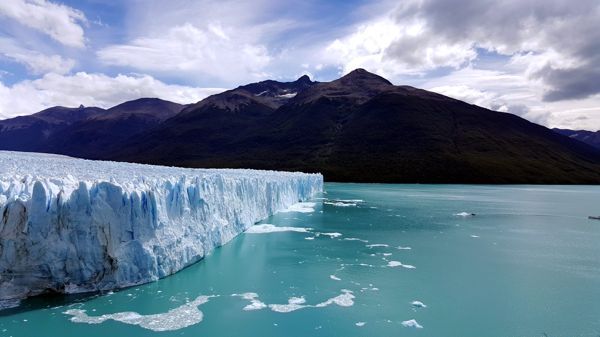
City🇦🇷 El Calafate and the Perito Moreno Glacier
 Countries
🇵🇪 Peru
 City
City🇵🇪 Cusco and Machu Picchu
 Countries
🇨🇷 Costa Rica
 Countries