When to go to Hungary?
→ The detailed month-by-month page, with real weather records
Best time: April to June and September to October
At a glance
Why go to Hungary?
Hungary has the voluptuousness of a country that loves to take its time. You soak in centuries-old thermal baths while it snows outside, sip a Tokaji wine at sunset and listen to Gypsy violin in hidden courtyards. It is a culture of quiet pleasure, sensual and unshowy.
Budapest concentrates everything that makes the country so charming, cut in two by the Danube, which separates hilly Buda from lively Pest. The city blends Austro-Hungarian grandeur, gilded cafés and ruin bars set up in abandoned buildings. Few capitals offer such a contrast between imperial solemnity and scruffy bohemia.
But Hungary is not just its capital. Lake Balaton turns into a summer riviera, the Baroque villages of the north keep their traditions alive, and the vineyards of Eger and Tokaj produce acclaimed wines. It is a country that looks flat on the surface, but reveals real depth as soon as you scratch a little.
Map of Hungary: what is where?
The map shows the 6 places covered in this guide, to picture the distances and plan your route.
- Budapest
- Danube Bend
- Lake Balaton
- Eger
- Pecs
- Holloko
How much does a trip to Hungary cost?
Hungary offers excellent value for money, with prices noticeably lower than in Western Europe.
| Style | Per day | What it covers |
|---|---|---|
| Backpacker | €35-50/day | Dorm, street food, public transport and the occasional bath |
| Comfort | €65-100/day | Double room, restaurants, entry to baths and museums |
| Premium | €140+/day | Spa hotel, fine dining and private excursions |
The currency is the Hungarian forint; pay by card where possible and avoid the tourist exchange offices in central Budapest.
Is Hungary safe?
Hungary is a safe country where travellers get around without worry, including alone and at night. Pickpocketing does occur in Budapest's tourist areas and on crowded transport, no more seriously than elsewhere. Beware of unlicensed taxis and of certain bars in the centre that inflate the bill; it is best to agree on the price in advance. With the usual precautions, there are no particular risks to report.
What to see and do in Hungary
- Budapest's Parliament
- the Széchenyi Baths
- Fisherman's Bastion
- a cruise on the Danube
- the ruin bars
Budapest and its baths

The Hungarian capital is best admired from Fisherman's Bastion, on Buda Hill, facing the neo-Gothic Parliament on the banks of the Danube. The Szechenyi Baths, with their steaming outdoor pools, are an institution not to be missed. In the evening, the ruin bars of the Jewish Quarter offer nightlife unlike anywhere else in Europe. Two to three days let you take in all its facets.
The Danube Bend
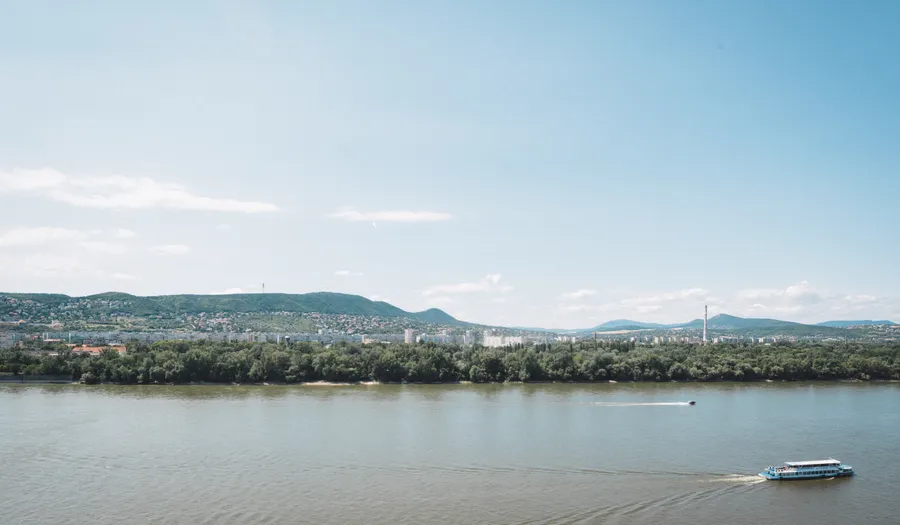
North of Budapest, the river traces a spectacular bend between wooded hills and picturesque villages. Szentendre charms with its artists' lanes and galleries, while Visegrad looks down over the valley from its medieval citadel. Esztergom is home to the country's largest basilica. The trip can be done by boat or by car in a day from the capital.
Lake Balaton

Nicknamed the Hungarian sea, this vast lake draws crowds in summer for its beaches and resorts. The quieter north shore is lined with vineyards and villages such as Tihany, perched on its peninsula. Here you can taste the local white wines facing the water. The shallow waters warm up quickly, ideal for family swimming.
Eger

This small Baroque town in the north is famous for its red wine, the celebrated Bull's Blood, and for its Valley of the Beautiful Women, lined with cellars cut into the rock. Its castle held out against the Ottomans in a legendary siege. The Ottoman minaret, a relic of the Turkish occupation, can still be visited. Eger can be explored in a day from Budapest, or as a stop on the road north.
Pecs
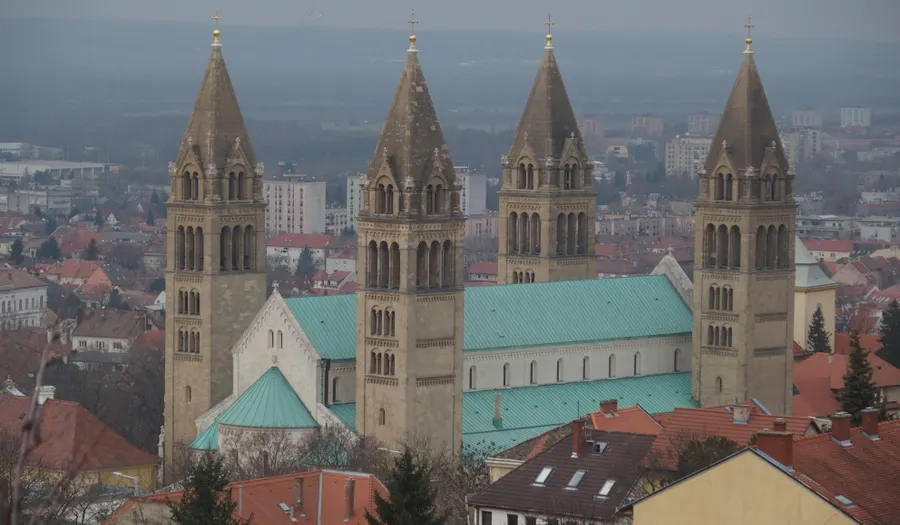
In the south of the country, Pecs has a Mediterranean feel, with sunny squares and a rich, heritage-listed early Christian legacy. The great mosque turned church bears witness to the city's Ottoman past. Museums and galleries, including the famous Zsolnay workshop, make it a cultural city. Its mild climate and student life give it a special charm.
Holloko

This World Heritage village has kept its whitewashed peasant houses and wooden church intact. Home to the Palóc community, it keeps alive the costumes and traditions of another age. Easter celebrations here are particularly spectacular. A half-day visit is enough to explore this hamlet frozen in the past, in the heart of the Cserhat hills.
How many days, and which itinerary?
Five to seven days let you combine Budapest, the Danube Bend and a getaway to Lake Balaton or the vineyards.
🗺️ Day-by-day itinerary · 📓 Free printable Hungary guide (PDF)
Budapest and the Danube (4 days)
Three days to explore the capital, its baths and its ruin bars, followed by a day trip to the Danube Bend taking in Szentendre, Visegrad and Esztergom.
Grand Hungarian tour (7 days)
After Budapest and the Danube Bend, head for Eger and its cellars, then down to Lake Balaton to unwind. A stop in Pecs completes this contrasting panorama of the country.
Thermal getaway (3 days)
A long weekend centred on Budapest, its historic baths and its food, with an evening in the ruin bars of the Jewish Quarter.
Getting there and getting around
The MAV rail network links Budapest to the main cities, cheap but sometimes slow
Volanbusz buses serve smaller places such as Holloko and Eger
In Budapest, the metro, trams and buses form a comprehensive and cheap network
A car makes it easier to explore Lake Balaton and the isolated villages of the north
Where to stay in Hungary?
Hostels and dorms in Budapest for 12 to 22 euros a night
Guesthouses and B&Bs outside the capital from 35 to 60 euros a double
Comfortable hotels in central Budapest from 70 to 120 euros
Thermal spa hotels and luxury boutique hotels from 160 euros
Our places to stay, stop by stop, at three budgets →
What to eat in Hungary?
Goulash, a thick beef and paprika soup, the country's signature dish
Langos, a fried dough flatbread topped with sour cream and grated cheese
Chicken paprikash, simmered in a creamy red sauce and served with nokedli
Tokaji wine, sweet and golden, and Eger's red Bull's Blood
Entry requirements
Schengen area: an ID card or passport for EU citizens, 90 days visa-free for UK, US, Canadian and Australian passports.
Rules change: check your own government's travel advice before you go.
Cities and regions to discover

Frequently asked questions about Hungary
When is the best time to visit?
Spring and early autumn offer ideal weather and moderate crowds. Summer is hot and lively, perfect for Lake Balaton, while winter reveals the charm of the steaming baths.
What daily budget should I plan for?
Around 35 to 50 euros a day on a budget, and 65 to 100 euros for a comfortable stay. Budapest remains pricier than the rest of the country.
How do I get around Hungary?
Trains and long-distance buses cover the country well at low cost. Budapest has a dense public transport network, and a car helps in rural areas.
Do you pay in euros in Hungary?
No, the official currency is the Hungarian forint. Some tourist spots accept euros but at a poor rate, so a bank card remains the most practical option.
Similar destinations
 City
City🇵🇹 Lisbon
 City
City🇫🇷 Rennes
 Region
🇫🇷 Lorient and South Brittany
 Country
🇪🇸 Spain
 City
City🇪🇸 Barcelona
 Country
🇵🇹 Portugal
 City
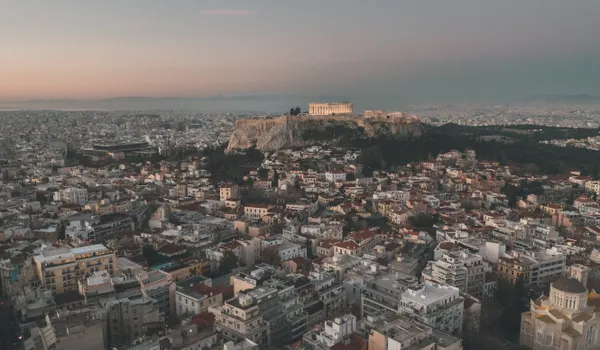
City🇬🇷 Athens
 City
City🇮🇪 Dublin
 City
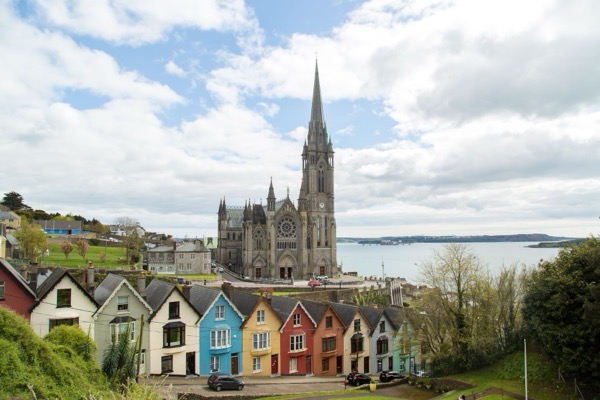
City🇮🇪 Cork
 City
City