When to go to Kenya?
→ The detailed month-by-month page, with real weather records
Best time: July to October and January to February
At a glance
Why go to Kenya?
Kenya is the birthplace of the safari as we dream of it. It is here, in the golden grasses of the Masai Mara, that the greatest wildlife spectacle on the planet plays out every year, as millions of wildebeest cross the Mara River under the gaze of the crocodiles. No documentary footage matches the real rumble of this living tide.
But the country is about more than its big cats. It unrolls a striking variety of settings: flamingos turning the Rift Valley lakes pink, the snowy cone of Kilimanjaro looking down on the elephants of Amboseli, white sand beaches and the reefs of the Indian Ocean. You can end a safari with your feet in the turquoise lagoon of Diani.
Meeting the Maasai and Samburu peoples adds a rare human dimension. Draped in red, herders and warriors happily share their traditions in villages where time seems to stand still. This hospitality, along with widely spoken English, makes Kenya surprisingly accessible for a first big African trip.
Map of Kenya: what is where?
The map shows the 6 places covered in this guide, to picture the distances and plan your route.
- Masai Mara Reserve
- Amboseli National Park
- Lake Nakuru
- Nairobi
- Diani Beach
- Samburu Reserve
How much does a trip to Kenya cost?
Kenya can be travelled on any budget, but lodge safaris and domestic flights quickly push up the bill.
| Style | Per day | What it covers |
|---|---|---|
| Backpacker | €50-80/day | budget camps, shared group safaris and local transport |
| Comfort | €150-250/day | tented camps, private 4x4 safaris with a guide and a few flights |
| Premium | €400+/day | luxury conservancy camps, light aircraft flights and top-end service |
Kenyan shillings are available from ATMs; cards are accepted in lodges and dollars are accepted for the parks.
Is Kenya safe?
Kenya is safe in the tourist areas and parks, but Nairobi calls for caution: avoid flashing valuables and use ride-hailing apps at night. The border regions of the north-east and near Somalia are advised against. Health-wise, malaria is present in most of the country except Nairobi and high altitudes: antimalarial prophylaxis is strongly recommended, along with repellent and a mosquito net. The yellow fever vaccination is required if you are coming from an at-risk country and strongly advised otherwise. Bring your routine vaccinations, hepatitis A and typhoid up to date, and take out solid repatriation insurance.
What to see and do in Kenya
- the Masai Mara reserve
- the great wildebeest migration
- Amboseli and Kilimanjaro
- meeting the Maasai
- the beaches of Diani
Masai Mara National Reserve

The flagship of Kenyan safaris extends Tanzania's Serengeti in an ocean of savannah. It has the highest density of lions in Africa, along with cheetahs, leopards and elephants along the tracks. From July to October, the great migration of wildebeest and zebras brings dramatic river crossings. A hot-air balloon flight at dawn crowns the experience.
Amboseli National Park
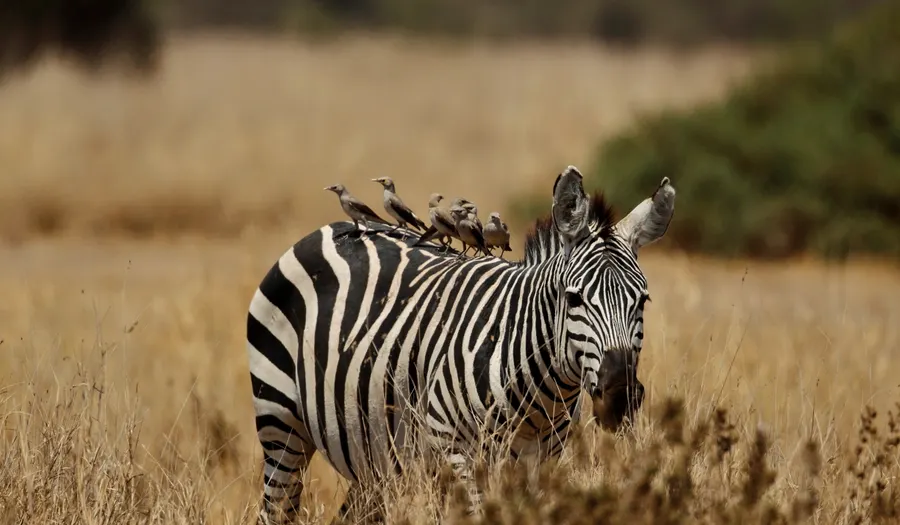
Amboseli offers the quintessential African postcard: herds of elephants parading in front of snow-capped Kilimanjaro. The light is magical at sunrise and sunset, when the mountain emerges from the clouds. The swamps attract hippos, buffalo and abundant birdlife. Neighbouring Maasai communities offer authentic visits to their villages.
Lake Nakuru

This alkaline lake in the Rift Valley is sometimes cloaked in a pink carpet of thousands of flamingos. The surrounding national park protects white and black rhinos, easier to see here than elsewhere, as well as Rothschild's giraffes. Viewpoints on the heights take in the lake and its acacia forests. A compact, spectacular stop between two big parks.
Nairobi
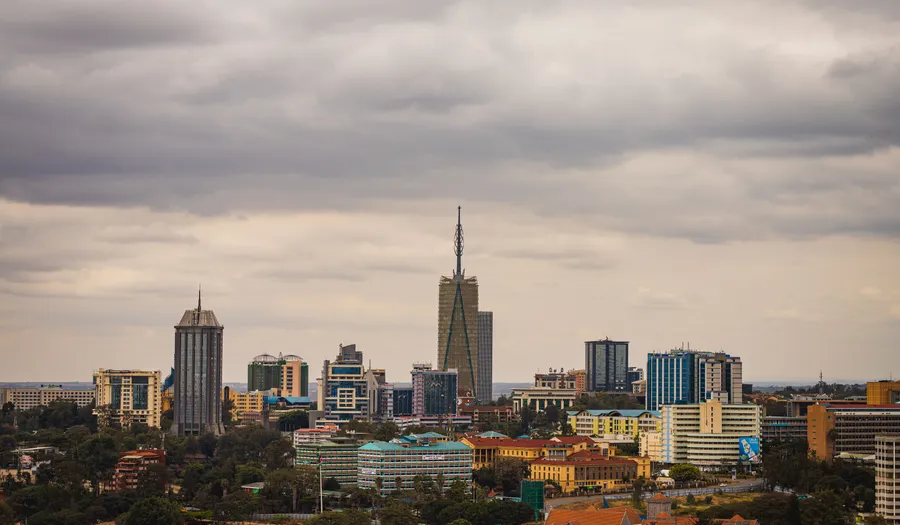
The capital deserves more than a mere stopover. Visit the David Sheldrick elephant orphanage, where rescued baby elephants are fed, and the Langata Giraffe Centre. Nairobi National Park lets you go on safari with skyscrapers as a backdrop, a world first. The Karen Blixen Museum takes you back into the world of Out of Africa.
Diani Beach
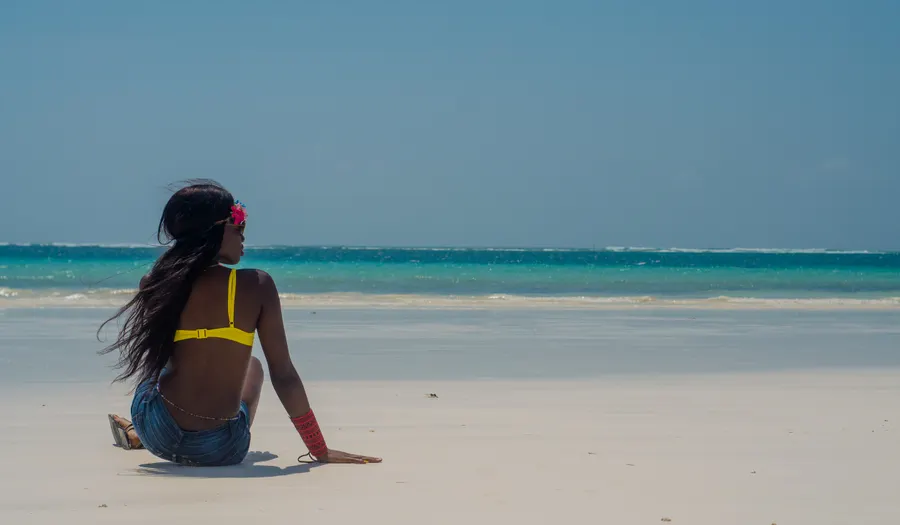
On the Indian Ocean coast, Diani spreads dazzling white sand fringed with coconut palms and turquoise water. You can dive on the coral reefs, head out to watch dolphins and unwind after the intensity of the safari. Hotels and resorts are plentiful and affordable. The nearby archipelago and unspoilt coves invite you to extend the lazy days.
Samburu National Reserve

In the arid north of the country, Samburu offers a wilder, more secluded safari along the Ewaso Ng'iro River. Here you track the so-called northern species: reticulated giraffe, Grevy's zebra, beisa oryx and gerenuk, absent from the south. Leopards are common and the semi-desert landscapes make a change from the classic savannahs. Samburu culture, related to the Maasai, is very much alive.
How many days, and which itinerary?
Ten to fourteen days are enough to string together two or three big parks and finish on the coast.
🗺️ Day-by-day itinerary · 📓 Free printable Kenya guide (PDF)
Classic safari (8 days)
From Nairobi, travel to Amboseli facing Kilimanjaro, Lake Nakuru and its flamingos, then the Masai Mara for three nights deep in the savannah. The country's finest parks in a nutshell, ideal for a first time.
Safari and Indian Ocean (12 days)
After a week of safari between the Mara, Nakuru and Amboseli, a domestic flight takes you to Diani or Mombasa for four days of beach and diving. The perfect blend of wildlife adrenaline and seaside relaxation.
The wild north (10 days)
A more adventurous circuit combining Samburu in the north, Lake Nakuru and the Masai Mara. You see rare species and meet fewer vehicles, for a more authentic immersion away from the crowds.
Getting there and getting around
Light domestic flights (small planes) are very handy for reaching the Masai Mara and save precious time.
Safari by 4x4 with a driver-guide: the classic option, often included in tours, essential on the tracks.
Car hire is possible but not recommended for beginners: tough tracks and limited signage.
The modern SGR train links Nairobi with Mombasa in five hours, a comfortable and cheap way to the coast.
Where to stay in Kenya?
Campsites and budget lodges on the edge of the parks: €20-40 a night, often in basic tents.
Comfortable tented camps and mid-range lodges: €80-180 per person, meals included.
Luxury camps in private Mara conservancies: €300-700 per person, all inclusive with guided safaris.
Beach hotels and resorts in Diani: €60-200 a room depending on the standard.
Our places to stay, stop by stop, at three budgets →
What to eat in Kenya?
Nyama choma, grilled meat (goat or beef) shared among friends, the ultimate convivial dish.
Ugali, a dense maize porridge served alongside stews and greens (sukuma wiki).
Pilau and curries from the Swahili coast, fragrant with coconut and Zanzibar spices.
Fresh grilled fish and seafood on the Indian Ocean coast, in Diani and Mombasa.
Entry requirements
An electronic travel authorisation (eTA) is required for EU, UK, US, Canadian and Australian citizens, applied for online before departure; allow at least two weeks. Your passport must be valid six months after arrival with two blank pages.
Rules change: check your own government's travel advice before you go.
Cities and regions to discover
 Region
🇰🇪 Masai Mara
 City
City🇰🇪 Mombasa
Frequently asked questions about Kenya
When is the best time for the migration?
The great wildebeest migration reaches the Masai Mara from July to October, with the spectacular crossings of the Mara River. The dry season from June to October is also the best for safaris in general. Avoid the long rains of April and May.
What budget should I plan for a safari?
A shared group safari starts at around €150 a day all inclusive. In a comfortable lodge with a private 4x4, allow €200-350 per person per day. The luxury camps of the Mara exceed €500 a night.
Do I need antimalarial treatment?
Yes, malaria is present in most of the country, including the Masai Mara and Amboseli. Antimalarial prophylaxis is strongly recommended, along with an effective repellent and covering clothes at dusk. Nairobi and high altitudes are barely affected.
Is the coast worth the detour after the safari?
Absolutely: Diani and Mombasa have some of the most beautiful beaches on the Indian Ocean, ideal for resting. A one-hour domestic flight separates the safari from the sea. Diving, snorkelling and Swahili cuisine round off the trip perfectly.
Similar destinations
 Country
🇿🇦 South Africa
 Country
🇹🇿 Tanzania
 Country
🇲🇬 Madagascar
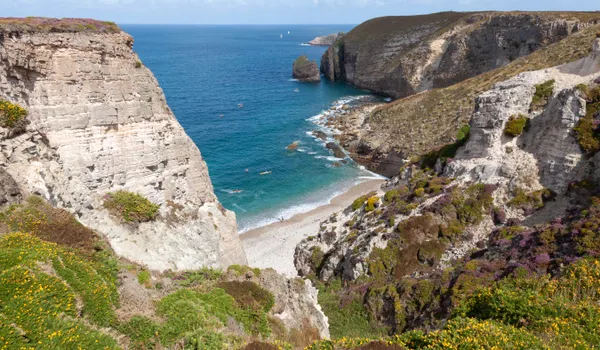 Region
🇫🇷 Brittany
 Region
🇫🇷 The French Basque Country
 Country
🇮🇪 Ireland
 City
City🇮🇪 Donegal
 City
City🇮🇪 The Ring of Kerry
 City
City🇬🇧 Northern Ireland
 City
City