When to go to South Africa?
→ The detailed month-by-month page, with real weather records
Best time: August to March
At a glance
Why go to South Africa?
South Africa packs an entire continent into a single country. In a fortnight you go from the sun-drenched vineyards of Cape Town to the savannahs of Kruger where the Big Five roam, from cliffs pounded by two oceans to the icy plateaus of the Drakensberg. Few destinations offer such a density of experiences without ever tiring the eye.
It is also a land of reassuring infrastructure for a first African safari. The roads are excellent, driving on the left is quickly mastered, and you can criss-cross the country at the wheel of your own car, completely independently. This freedom of movement, rare in sub-Saharan Africa, turns the trip into a grand road trip open to families and adventurers alike.
Beyond the landscapes lies the intensity of a history that is still very much alive. Soweto, Robben Island and the Apartheid Museum recall how far the country has come since Mandela's release. This depth of memory, combined with the warmth of a mixed people with eleven official languages, gives the journey a human dimension that goes far beyond the wildlife postcard.
Map of South Africa: what is where?
The map shows the 6 places covered in this guide, to picture the distances and plan your route.
- Cape Town
- Kruger National Park
- Knysna (Garden Route)
- Stellenbosch
- Soweto
- Drakensberg (Royal Natal)
How much does a trip to South Africa cost?
Safaris aside, South Africa offers unbeatable value for money by European standards.
| Style | Per day | What it covers |
|---|---|---|
| Backpacker | €40-60/day | hostels, self-catering, a shared car and self-drive national parks |
| Comfort | €90-160/day | guesthouses, restaurants, your own hire car and a few safaris |
| Premium | €250+/day | all-inclusive safari lodges in private reserves, where the bill climbs fast |
The rand is weak against the euro, bank cards are accepted everywhere and ATMs are plentiful.
Is South Africa safe?
South Africa calls for vigilance in cities, especially Johannesburg: avoid flashing valuables, don't walk alone at night and find out about neighbourhoods in advance. The tourist areas of Cape Town, the Winelands and the parks are generally safe. Health-wise, malaria is present in the north-east, notably in Kruger: antimalarial prophylaxis is recommended depending on the season, along with repellent and covering clothes in the evening. Cape Town and the Garden Route are outside the malaria zone. No vaccinations are compulsory, but bring your routine vaccinations up to date and take out good repatriation insurance.
What to see and do in South Africa
- a safari in Kruger National Park
- Cape Town and Table Mountain
- the Garden Route
- the Stellenbosch vineyards
- the Cape of Good Hope
Cape Town and Table Mountain

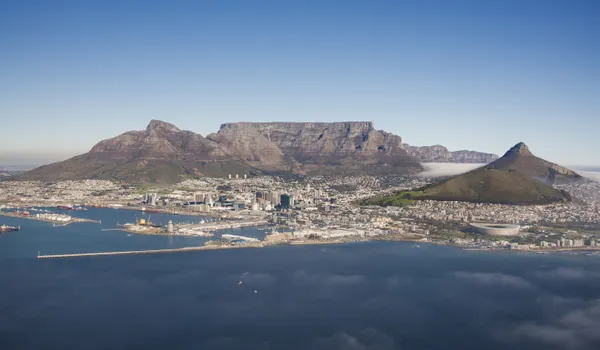
Africa's most beautiful city spreads its colourful neighbourhoods at the foot of a spectacular flat-topped mountain. You ride the rotating cable car to the summit for a panorama over two oceans, stroll through the Malay quarter of Bo-Kaap with its multicoloured façades, and follow the coast down to the Cape of Good Hope. Sunsets from Signal Hill are unforgettable. Allow at least three days so you don't have to rush.
Kruger National Park

The jewel of South African safaris covers nearly twenty thousand square kilometres. You come across lions, leopards, elephants, rhinos and buffalo along tracks you can drive yourself. Adjoining private reserves such as Sabi Sands guarantee exceptional leopard sightings on guided safaris. The dry season, from May to September, concentrates the animals around waterholes.
Garden Route

This coastal ribbon between Cape Town and Port Elizabeth strings together wild beaches, forests and lagoons. Stop at Knysna for its oysters and lagoon, hike the gorges of Tsitsikamma, and leap off Bloukrans Bridge, one of the highest bungee jumps in the world. Wilderness and Plettenberg Bay have superb beaches. The drive is best savoured over five to seven days.
Stellenbosch and Franschhoek Winelands
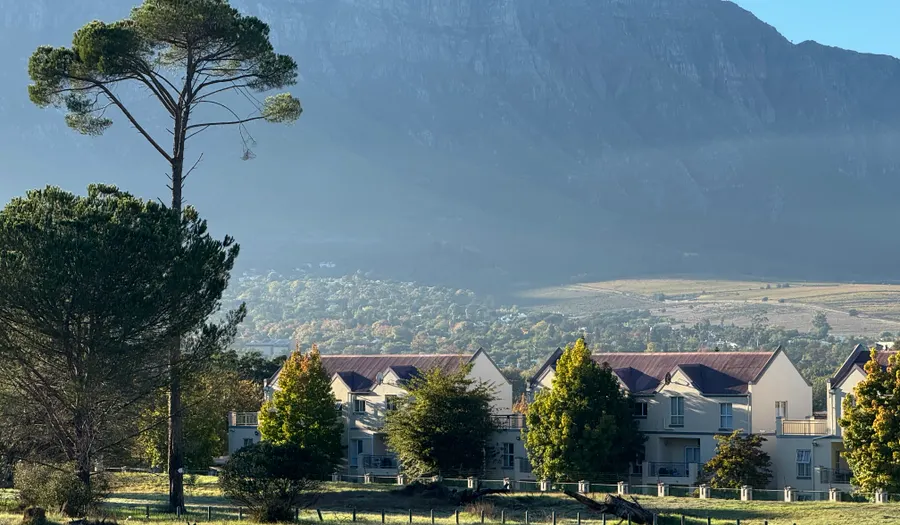
Less than an hour from Cape Town, the Cape Winelands unfold estates ranked among the most beautiful in the world. You taste award-winning wines between mountains and rows of vines, lunch on gourmet farms and take in the Cape Dutch architecture of Stellenbosch. The little Franschhoek Wine Tram links the cellars in a thoroughly relaxed way. The good life at gentle prices compared with Europe.
Soweto and Johannesburg

The vast township of Soweto tells the story of the struggle against apartheid better than any textbook. You visit Mandela's house on Vilakazi Street, the only street in the world to have been home to two Nobel Prize winners, and the Hector Pieterson Memorial. The Apartheid Museum in Johannesburg completes this deeply moving immersion. A local guided tour, often by bike, gives the neighbourhood its full humanity.
Drakensberg

The great wall of the Drakensberg raises its basalt ramparts to more than three thousand metres. You hike to the Amphitheatre in Royal Natal park, discover San rock paintings thousands of years old and sleep in mountain lodges facing the peaks. The air is crisp and the landscapes change from hour to hour. Ideal for catching your breath between livelier stops.
How many days, and which itinerary?
Two to three weeks let you combine Cape Town, the Garden Route and a Kruger safari without rushing.
🗺️ Day-by-day itinerary · 📓 Free printable South Africa guide (PDF)
Cape Town and the Winelands (7 days)
Three days to explore the city, the mountain and the peninsula, then two days of tastings in the vineyards of Stellenbosch and Franschhoek. Finish with a trip to the Boulders penguin colony and the Cape of Good Hope.
Grand tour Cape Town-Kruger (15 days)
Start in Cape Town, drive the Garden Route down to Port Elizabeth, then fly to Kruger for three nights of safari. A balanced pace between sea, mountains and savannah, ideal for a first big South African trip.
Safari and Panorama Route (10 days)
From Johannesburg, visit Soweto before heading to Kruger via the spectacular Panorama Route and the Blyde River Canyon. Four nights of safari in a lodge round off this circuit packed with wildlife and scenic thrills.
Getting there and getting around
A hire car is essential for the Garden Route and Kruger: excellent roads, driving on the left, cheap petrol.
Frequent, affordable domestic flights between Cape Town, Johannesburg and Durban save you long drives.
Avoid driving at night, especially in rural areas: animals, pedestrians and limited lighting.
In town, use ride-hailing apps such as Uber, reliable and cheap, rather than public transport.
Where to stay in South Africa?
Hostels and backpackers in Cape Town or along the Garden Route: €15-30 a night in a dorm or single room.
Charming guesthouses and B&Bs: €50-90 for a double room, often with a pool and a hearty breakfast.
Safari lodges in private reserves: €200-500 per person, all inclusive with guided safaris and meals.
Upmarket hotels in Cape Town facing the sea or in the Winelands: €150-300 a night.
Our places to stay, stop by stop, at three budgets →
What to eat in South Africa?
The braai, the convivial national barbecue mixing boerewors (spiced sausage) and meats grilled over a wood fire.
Bobotie, a sweet and savoury curried minced-meat bake, a legacy of Cape Malay cuisine.
Seafood from the coast: Knysna oysters, crayfish and grilled fish facing the ocean.
Biltong, spiced dried meat that people snack on everywhere, the country's iconic nibble.
Entry requirements
Visa-free for 90 days for EU, UK, US, Canadian and Australian passports.
Rules change: check your own government's travel advice before you go.
Cities and regions to discover
Frequently asked questions about South Africa
When is the best time to go?
The dry season from May to September is ideal for safaris, when animals gather at waterholes. For Cape Town and the beaches, go for the southern summer from November to March. The shoulder seasons offer a good compromise between weather and crowds.
What budget should I plan for a safari?
A self-drive safari in Kruger costs little, excluding car hire and accommodation. In a private reserve lodge with guided safaris, allow €200-500 per person per night. SANParks rest camps offer a much cheaper alternative.
Do I need malaria tablets?
Malaria is present in the north-east, including Kruger, especially from November to April. Antimalarial prophylaxis is advised, combined with repellent and covering clothes in the evening. Cape Town and the Garden Route are not affected.
Is it safe to drive yourself?
Yes, the road network is excellent and signage is clear, despite driving on the left. Avoid driving at night outside towns and lock your doors in built-up areas. It is the best way to explore the country freely.
Similar destinations
 City
City🇯🇵 Hokkaido
 Country
🇫🇷 France
 Region
🇫🇷 The French Basque Country
 Region
🇮🇹 Sicily
 Country
🇮🇪 Ireland
 City
City🇮🇪 Galway and Connemara
 Country
🇹🇿 Tanzania
 Country
🇲🇬 Madagascar
 Country
🇻🇳 Vietnam
 Country