When to go to Petra?
→ The detailed month-by-month page, with real weather records
Best time: March to May and October to November
At a glance
Why go to Petra?
Petra is one of the most fascinating archaeological sites on the planet, carved straight into the rose-pink rock of the Jordanian desert more than two thousand years ago. The former capital of the Nabataean kingdom, the city appears at the end of a narrow gorge in a surreal canyon setting. Every facade carved into the sandstone bears witness to a vanished architectural and commercial genius. Its World Heritage listing and place among the New Seven Wonders of the World are thoroughly deserved.
What strikes you is the sheer scale of the site. Many expect to visit a single monument, but Petra is an entire city stretching over kilometres, between tombs, temples, a Roman theatre and mountain trails. You have to walk, climb and get lost to grasp its size. Every bend reveals a new facade or a dizzying viewpoint.
Petra is also experienced through its light. The sandstone changes colour with the hours, from pink to gold by way of ochre. The candlelit night visit in front of the Treasury adds an almost magical dimension. Combined with the nearby Wadi Rum desert, it makes for an unforgettable journey.
Map of Petra: what is where?
The map shows the 6 places covered in this guide, to picture the distances and plan your route.
- The Treasury (Al-Khazneh)
- The Siq
- The Monastery (Ad-Deir)
- The Roman Theatre
- The Royal Tombs
- The High Place of Sacrifice
How much does a trip to Petra cost?
Petra remains affordable, but the entry ticket is the main expense.
| Style | Per day | What it covers |
|---|---|---|
| Backpacker | €40-60/day | Hostel, local meals and bus travel, excluding the Petra ticket. |
| Comfort | €80-140/day | Mid-range hotel, hire car and a few excursions. |
| Premium | €250+/day | Luxury camp in Wadi Rum, private guide and upmarket hotels. |
Carry dinars in cash, as many small shops and tips can only be paid in cash.
Is Petra safe?
Jordan is a safe and welcoming country where tourism is well organised. At Petra, the main risks are heat, dehydration and falls on rocky paths, so bring water, a hat and good shoes. Bedouin vendors are persistent but rarely aggressive; a polite refusal is enough. Women travelling alone generally feel at ease; covering clothing, out of respect for local customs, is still appreciated.
What to see and do in Petra
- the Treasury (Khazneh)
- the Siq canyon
- the Monastery (Ad-Deir)
- Petra by Night
- the royal tombs
The Treasury (Al-Khazneh)
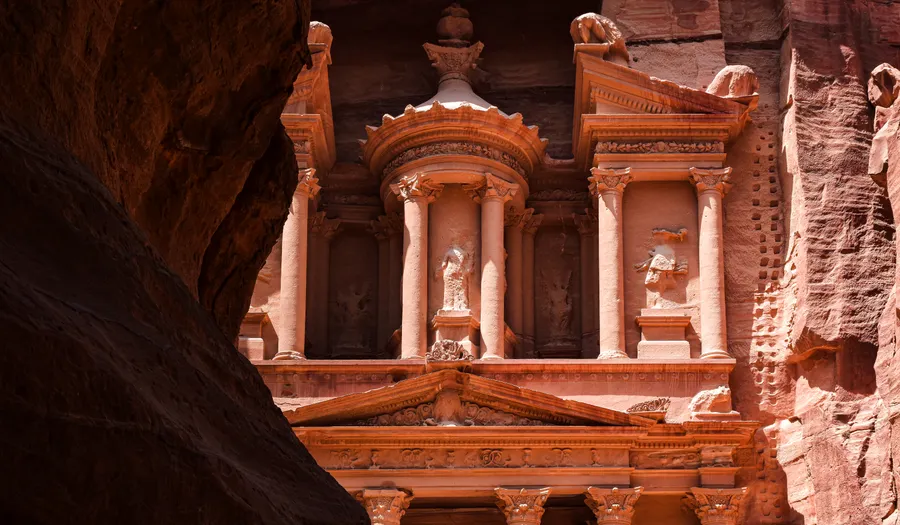
Petra's most famous facade suddenly appears at the end of the Siq, in a breathtaking moment of revelation. Nearly forty metres high, it was in fact a Nabataean royal tomb. Its columns and pediments carved into the rose sandstone are astonishingly fine. This is also where the candlelit night visit takes place.
The Siq
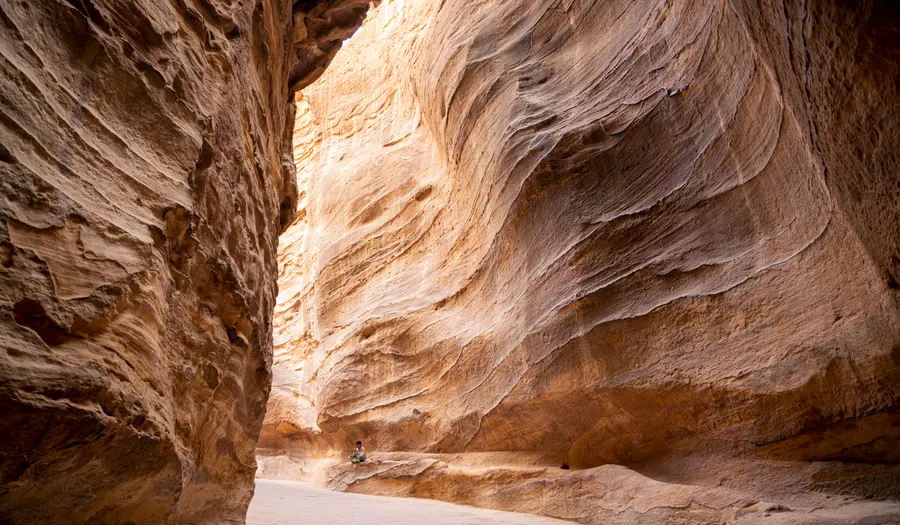
This narrow gorge, around a kilometre long, forms the city's spectacular entrance. The sandstone walls sometimes rise more than a hundred metres, letting through a thin shaft of light. You can still make out the channels that supplied the city with water. The walk builds perfect suspense before the Treasury comes into view.
The Monastery (Ad-Deir)

Perched high up, this colossal monument has to be earned at the top of eight hundred steps cut into the rock. Even more imposing than the Treasury, it was probably used as a place of worship. The climb passes through superb scenery and small Bedouin stalls. The nearby viewpoint looks out over the valley in breathtaking fashion.
The Roman Theatre
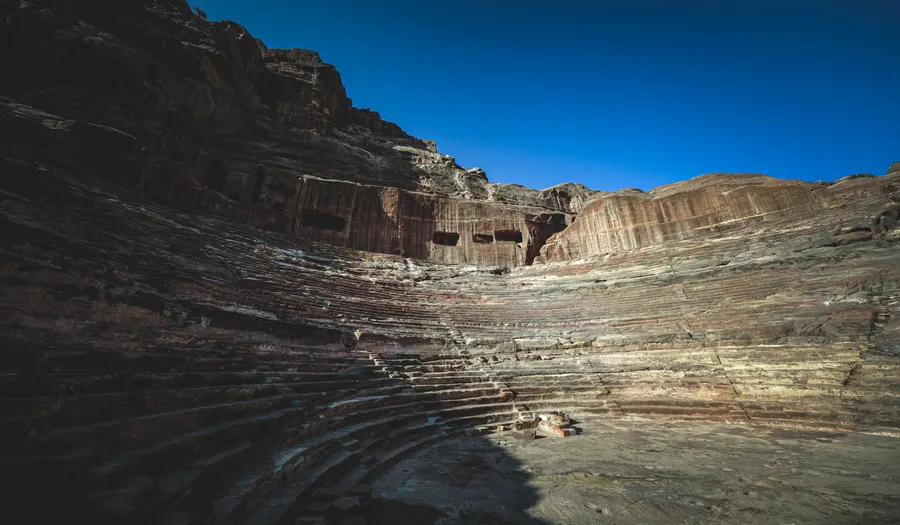
Carved directly into the mountain, this theatre could seat several thousand spectators. It blends Nabataean and Roman influences, reflecting the city's eventful history. Its tiers face a row of spectacular royal tombs. It is a natural stop at the heart of the site.
The Royal Tombs

Lined up along the eastern flank of the valley, these vast tombs display monumental facades in shifting colours. The Urn Tomb, with its large esplanade, is particularly impressive. Late-afternoon light reveals blazing veins in the sandstone. A path lets you look down on them from above.
The High Place of Sacrifice

This lofty sanctuary offers one of the finest panoramas over the whole of Petra. You reach it by a staircase cut into the mountain, away from the crowds. The Nabataeans performed religious rites here on carved altars. The descent via Wadi Farasa reveals other little-known monuments.
How many days, and which itinerary?
Allow two full days to explore Petra without rushing, three with nearby Wadi Rum.
🗺️ Day-by-day itinerary · 📓 Free printable Petra guide (PDF) · 🌍 All of Jordan
Petra express (1 day)
Enter early through the Siq, discover the Treasury, then follow the main route to the theatre and the royal tombs. Climb to the Monastery in the afternoon if you have the energy. An intense day, but doable.
Petra in depth (2 days)
The first day covers the Siq, the Treasury and the centre of the city. The second is devoted to the Monastery and the High Place of Sacrifice, along the quieter hiking trails.
Petra and Wadi Rum (3 days)
Add a night in the Wadi Rum desert, an hour's drive away, for a Bedouin experience under the stars. Desert plus ancient city makes the most complete circuit in southern Jordan.
Getting there and getting around
The town of Wadi Musa, at Petra's entrance, can be covered on foot to the visitor centre.
JETT buses link Amman and Petra in around four hours; book in advance.
Hiring a car gives the most freedom to combine Petra, Wadi Rum and the Dead Sea.
On the site, everything is done on foot; horses, donkeys and carriages are available but often discouraged for animal welfare reasons.
Where to stay in Petra?
Hostels and budget hotels in Wadi Musa, single room around €20 to €40.
Mid-range hotels close to the entrance, allow €50 to €90 a night.
Comfortable establishments with pool and views, from €100 to €160.
Luxury camps in nearby Wadi Rum, bubbles under the stars at around €150 to €250.
Our places to stay, stop by stop, at three budgets →
What to eat in Petra?
Try mansaf, the national dish of lamb, rice and fermented yoghurt.
Mezze of hummus, falafel and flatbread accompany every meal.
Sage and mint tea is offered everywhere, a symbol of Bedouin hospitality.
Some camps serve zarb, meat and vegetables cooked under the desert sand.
Entry requirements
Visa on arrival for EU, UK, US, Canadian and Australian passports, or included at no extra cost with the Jordan Pass bought online before you fly.
Rules change: check your own government's travel advice before you go.
Frequently asked questions about Petra
When is the best time to visit Petra?
Spring, from March to May, and autumn, from September to November, offer ideal temperatures. Summer is very hot and winter can be cold and rainy.
How many days should I spend in Petra?
One day lets you see the essentials, but two days are recommended to explore the quieter trails and the Monastery without rushing.
What daily budget for Petra?
Allow around €50 a day as a backpacker excluding the entry ticket, €80 to €140 for comfort and over €250 for a premium experience including Wadi Rum.
How do I get around Petra?
The site is visited entirely on foot; to reach Petra, take the JETT bus from Amman or hire a car for more freedom.
Where should I stay to visit Petra?
Stay in Wadi Musa, the town bordering the site's entrance, choosing a hotel close to the visitor centre so you can walk to the entrance.
Similar destinations
 Country
🇨🇳 China
 Country
🇴🇲 Oman
 Country
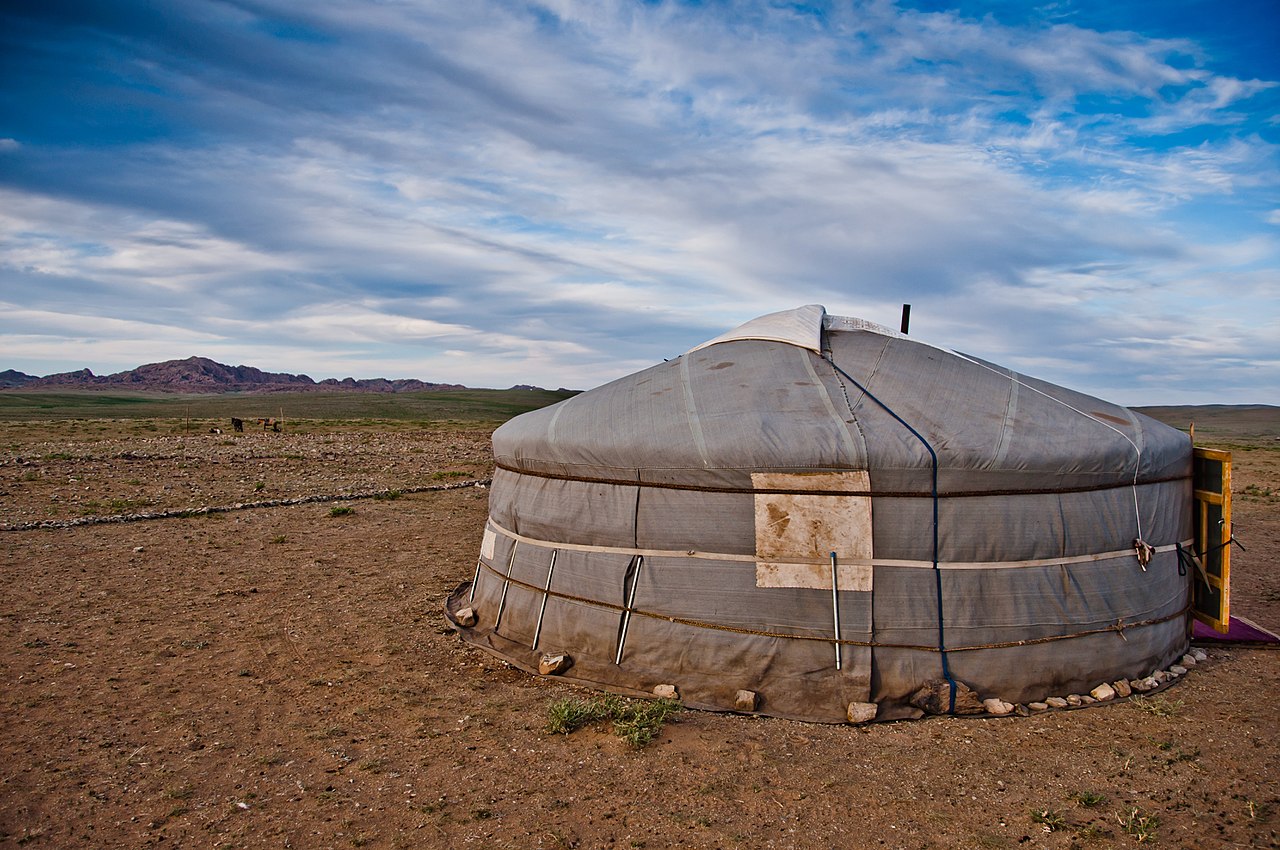
🇲🇳 Mongolia
 Country
🇯🇵 Japan
 Country
🇮🇳 India
 Country
🇺🇸 The American West
 Country
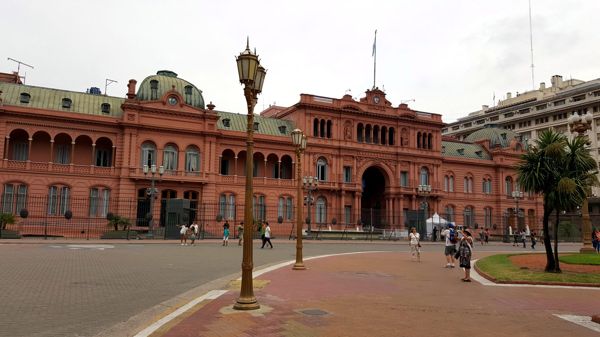
🇦🇷 Argentina
 Country
🇵🇪 Peru
 Country
🇨🇱 Chile
 Region