
Best time to travel in Santorini?
→ The detailed month-by-month page, with 2015-2024 averages
Best time: May to June and September to October
- ✓Clifftop Fira-Oia trail in good conditions
- ✓Sunsets in Oia without the big summer crowds
- ✓Warm sea in September-October
- ✗Sea still cool in May
- ✗Wind sometimes strong over the caldera
- ✓Black-sand beaches of Perissa and Kamari in full season
- ✓Island buzzing until late at night
- ✗Oia overrun at sunset, swollen by cruise passengers
- ✗Hotel prices among the highest in Greece
Temperatures and rainfall modelled for Oia · averages over recent years, Open-Meteo data (ERA5 reanalysis).
Mediterranean, with hot, dry summers and pleasant sea breezes. The best time to visit Santorini is May, June, September and October, with temperatures reaching 29-31°C (summer). Conversely, January, February, March, April, July, August, November and December are generally less favourable (less pleasant weather or heavy crowds, depending on the destination), although a trip is still possible with some planning. In high season, book early: prices and visitor numbers climb fast.
Go against the flow. To avoid the crowds without sacrificing too much on the weather, aim for April and November: the crowds thin out, prices drop too, and the climate stays pleasant.
Do these months appeal to you? See what's best elsewhere too: where to go in May · where to go in June · where to go in September · where to go in October.
At a glance
Why go to Santorini?
Santorini was born of one of the largest volcanic eruptions in history, and that original violence shaped a setting unique in the world. The caldera, an immense crater flooded by the sea, traces dizzying cliffs crowned with white villages. Cube-shaped houses cling to the edge of the void, dotted with blue domes that echo the azure of the Aegean. Nothing really prepares you for the visual shock of your first look at this bay.
The island lives to the rhythm of its sunsets, considered among the most beautiful on the planet. In Oia, crowds gather every evening to watch the sun sink into the sea and set the white façades ablaze. But Santorini can also be savoured off the beaten track, in its inland villages and windswept vineyards. The assyrtiko grape produces mineral white wines of real character here.
Beyond the postcard, Santorini hides a history stretching back millennia and a singular natural world. The site of Akrotiri, a Minoan city frozen by ash, rivals Pompeii in its state of preservation. Black and red sand beaches are a constant reminder of the island's volcanic origins. Between swims, tastings and clifftop villages, the island offers far more than a backdrop for photos.
Tourist map of Santorini: what's where?
The map below pinpoints the 6 places covered in this guide: a handy way to picture the distances between each stop and plan your route in Santorini.
- Oia
- Fira
- Akrotiri
- Red Beach
- Pyrgos
- Santo Wines
How much does a trip to Santorini cost in 2026? Budget calculator
Estimate your budget for Santorini based on your travel style: accommodation, meals, activities and local transport included (flights excluded). Adjust the length and the number of travellers, and the totals update.
Totals for all travellers over the chosen length; the daily amount is per person. Flights extra, indicative amounts to adjust depending on the season.
The euro is the currency and cards are accepted everywhere, but bring cash for small shops and remote villages.
Safety in Santorini: should you be worried?
Santorini is a very safe destination, where the main risk comes from the island's narrow, winding roads. Riding a scooter or quad calls for caution, especially on steep, busy stretches. The caldera-edge paths require good shoes and care near the drop. In high season, the crowds in Oia at sunset can lead to jostling, so keep an eye on your belongings. Overall, visitors enjoy a peaceful island where crime is almost non-existent.
Things to see and do in Santorini
Our first-hand favourites, and the great classics:
- the sunset in Oia
- the village of Fira
- the caldera
- the black sand beaches
- the island's vineyards
What to book before you go to Santorini →
🧭 Discover the Santorini itinerary, day by dayMap, timings, budget and where to stay: free to access, to fit your dates. Create my tailor-made itinerary →Oia and its caldera

Santorini's most famous village, Oia stretches across the island's northern tip above the caldera. Its white lanes, blue domes and windmills make up the ultimate Cycladic postcard. This is where the famous sunset plays out every evening, admired from the castle ruins. Art shops and overhanging terraces invite you to wander. Arrive early to find a spot facing the horizon.
Fira

The island's capital, Fira overlooks the caldera from its spectacular cliffs. Its lively lanes are packed with cafés, shops and restaurants with plunging views. A cable car or a mule path links the town with the old port below. The Firostefani district offers the same panoramas in a more peaceful atmosphere. It is the ideal central base for exploring the island.
Akrotiri archaeological site

Nicknamed the Pompeii of the Aegean, Akrotiri was buried under ash around 1600 BC. This remarkably preserved Minoan city reveals streets, multi-storey houses and drainage systems. Frescoes of striking delicacy bear witness to an advanced civilisation. A modern shelter protects the site and makes for a shaded visit. It is a fascinating plunge into the Bronze Age.
Red Beach

Tucked away near Akrotiri, Red Beach owes its name to its cliffs of dark red lava. The contrast between the fiery rock and the turquoise sea creates a spectacular setting. It is reached by a short path from a small fishing harbour. The calm waters are ideal for swimming and snorkelling. It is one of the most photographed beaches in Greece.
Pyrgos village

Perched on the island's highest point, Pyrgos is a medieval village with unspoilt charm. Its concentric lanes climb towards the remains of a Venetian castle. Away from the bustle, you can savour the calm, the old churches and a 360-degree view. At the top, a terrace café offers one of the finest panoramas in Santorini. It is the perfect place for a sunset away from the crowds.
Santorini wine estates

Santorini's volcanic soil produces unique white wines, dry or sweet like vinsanto. The vines, trained into low basket-shaped crowns at ground level, withstand wind and drought. Several estates, such as Santo Wines, offer tastings and tours facing the caldera. The assyrtiko grape expresses a rare, vibrant minerality. A wine stop reveals a little-known side of the island.
How many days, and which itinerary in Santorini?
Three to four days let you savour the villages, a beach, a wine tasting and a sunset in Oia without rushing.
🗺️ Day-by-day Santorini itinerary · 📓 Printable Santorini travel guide (PDF) · 🌍 Discover all of Greece
Santorini express (2 days)
The first day explores Fira and the sunset in Oia. The second combines Akrotiri, a volcanic beach and a tasting at a wine estate.
Relaxed Santorini (4 days)
The two essential days are followed by a boat trip to the volcano and the hot springs, then a day between Pyrgos and the southern beaches. Finish with a walk along the trail from Fira to Oia.
Wider Cyclades (6 days)
Three days in Santorini, then a ferry to Naxos or Ios for a change of scene. You alternate hilltop villages, wild beaches and a more authentic island life.
How to get to Santorini and get around?
The local KTEL bus links Fira with the main villages and beaches cheaply, but with infrequent timetables.
Hiring a car, quad or scooter gives you the most freedom to explore the island at your own pace.
Taxis are few and quickly snapped up, so book ahead in high season.
Ferries and catamarans link the port of Athinios with Piraeus and the other Cycladic islands.
Where to stay in Santorini?
Rooms and hostels inland, for example in Karterados, from €45 to €80 a night.
Comfortable hotels in Fira or Firostefani with partial views, between €100 and €180 a night.
Cave suites with caldera views in Imerovigli, from €200 to €400 a night.
Luxury cave houses with a private pool in Oia, from €450 a night.
Our picks stop by stop, in three price ranges →
What to eat in Santorini?
Savour Santorini's cherry tomatoes, sweet and intense, as fritters or tomatokeftedes.
Try fava, a local split-pea purée served with onion and olive oil.
Sit down at a fishermen's taverna in Ammoudi for grilled fish by the water.
Accompany your meals with a glass of dry assyrtiko, or a vinsanto with dessert.
Which kind of traveller is it for?
Santorini is ideal for romance and relaxation. Whether you travel as a couple or solo, everyone can find their own pace. Accommodation is mostly standard hotels, boutique hotels and resorts.
Entry requirements & practical info
Schengen area: an ID card or passport for EU citizens, 90 days visa-free for UK, US, Canadian and Australian passports.
Rules change: before you leave, check your country's official travel advice.
Frequently asked questions about Santorini
When is the best time to visit Santorini?
May, June, September and October offer an ideal climate and fewer visitors. July and August are very hot and packed, while in winter many establishments close.
How many days do you need in Santorini?
Three to four days are enough to discover the villages, one or two beaches and an archaeological site, and to enjoy the sunsets without rushing.
What daily budget should you plan for Santorini?
Allow around €75 a day as a backpacker, €200 for a comfortable stay and over €400 for a premium experience with a caldera-view suite.
How do you get around Santorini?
Hiring a car or scooter gives you the most freedom, the KTEL bus serves the villages cheaply, and taxis, which are scarce, should be booked in advance.
Which village should you stay in in Santorini?
Oia and Imerovigli offer the finest views and the most calm, Fira is central and lively, while the island's interior has gentler prices.
Similar destinations
 City
🇸🇪 Stockholm
 Region
🇫🇷 The French Riviera
 City
🇮🇹 Positano
 City
🇮🇹 Capri
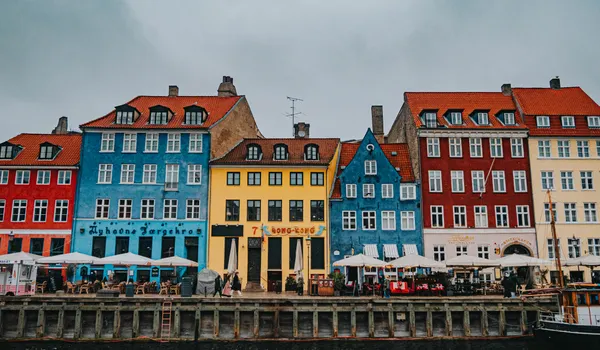 City
🇩🇰 Copenhagen
 Countries
🇲🇺 Mauritius
 Countries
🇸🇨 The Seychelles
 Countries
🇲🇻 The Maldives
 Countries
🇵🇫 French Polynesia
 City