When to go to Sucre and Potosí?
→ The detailed month-by-month page, with real weather records
Best time: April to October
At a glance
Why go to Sucre and Potosí?
Two cities, two faces, the same Andean altitude and the same colonial past: Sucre and Potosí form the historic heart of Bolivia, a few hours' drive apart in the southern highlands. Sucre, the country's constitutional capital, goes by the nickname of the White City: its whitewashed façades, flower-filled patios and Baroque churches make up one of the best-preserved colonial ensembles in South America, a UNESCO World Heritage Site. Perched at 2810 metres, it enjoys a mild, luminous climate that contrasts sharply with the harshness of the rest of the Altiplano. It was here, in the Casa de la Libertad, that Bolivia's independence was proclaimed in 1825.
Potosí tells a very different story. Set at almost 4000 metres, it ranks among the highest inhabited cities in the world and, in the 16th and 17th centuries, enjoyed one of the most dazzling fortunes in history. At the foot of the Cerro Rico, the red mountain gorged with silver, it became one of the most populous and wealthiest cities on the planet, single-handedly bankrolling a large share of the Spanish Empire. That wealth came at an appalling human cost: hundreds of thousands of Indigenous workers and enslaved Africans died in the tunnels. Its colonial centre, also on the UNESCO list, holds the ambivalent memory of a splendour built on suffering.
Travelling from Sucre to Potosí means exploring both sides of the same era: on one hand the gentleness of a scholarly capital where people happily come to learn Spanish, on the other the gravity of a mining city where underground work carries on to this day. You'll see the pomp of the convents and the old mint, but also the raw reality of cooperative mines still in operation. Together the pair offer a rich immersion in Bolivia's Andean and colonial soul, far beyond the natural scenery of the Altiplano.
Map of Sucre and Potosí: what is where?
The map shows the 5 places covered in this guide, to picture the distances and plan your route.
- Sucre colonial centre
- Recoleta viewpoint
- Cerro Rico, Potosí
- Casa de la Moneda, Potosí
- Sucre central market
How much does a trip to Sucre and Potosí cost?
The Sucre and Potosí region is one of the most affordable destinations in South America. You can travel comfortably on a modest budget, between cheap accommodation and inexpensive market meals. The prices below are per person per day, excluding long-distance transport and international flights.
| Style | Per day | What it covers |
|---|---|---|
| Backpacker | BOB 80-150 (€11-20) | A night in a hostel or a basic room, meals in markets and local canteens, getting around on foot and by shared taxi, a few museum tickets. |
| Comfort | BOB 200-400 (€26-52) | A room in a colonial boutique hotel, a mix of casual and good restaurants, a guided tour of the Potosí mines, an excursion to Cal Orcko. |
| Luxury | BOB 600 and up (€78 and up) | The best addresses in both cities, fine dining, a private guide, tailor-made excursions and comfortable transfers between Sucre, Potosí and Uyuni. |
The currency is the boliviano (BOB). Cash is king: while hotels and a few restaurants in Sucre take cards, the markets, taxis and Potosí run almost entirely on cash. There are ATMs in both centres, but it's wise to carry small change before excursions and for tips.
Is Sucre and Potosí safe?
Sucre and Potosí are among the calmest cities in Bolivia, and you can get around without any particular difficulty while taking the usual precautions against pickpockets in markets and bus stations. The main issue is altitude, especially in Potosí, at nearly 4000 metres: acute mountain sickness can affect anyone, so acclimatise gradually, drink plenty of water and avoid strenuous effort for the first few days. The Cerro Rico mine tour deserves a specific warning: it takes place in working tunnels, cramped and dusty, where there are real risks of collapse, explosion and respiratory problems. It is not recommended for anyone who is claustrophobic, has a heart condition or asthma, or is in poor physical shape. It's best to go with a reputable agency that employs former miners as guides.
What to see and do in Sucre and Potosí
- Sucre's colonial centre
- the Recoleta viewpoint
- Potosí's Cerro Rico
- touring the silver mines
- markets and easy Spanish lessons
Sucre's colonial centre 2 798 m
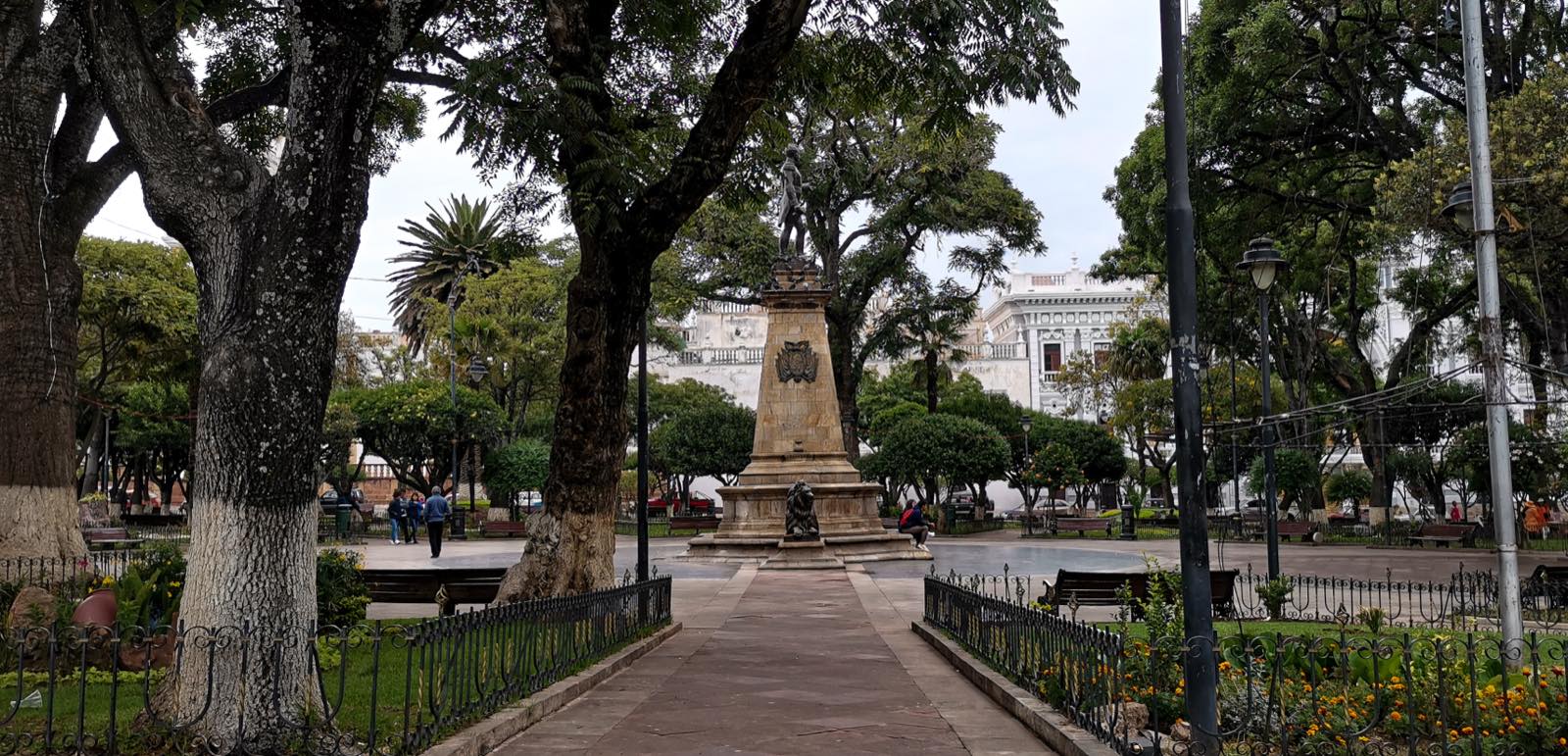
The heart of Sucre is best explored on foot, around the Plaza 25 de Mayo, lined with palm trees and immaculate buildings. Everything breathes colonial elegance: the cathedral, the arcades, the wooden balconies and the inner courtyards hidden behind heavy doors. The Casa de la Libertad, a former Jesuit university, holds the declaration of independence signed in 1825 and makes for a concentrated lesson in national history. A few streets away, the rooftop terraces of the church of San Felipe Neri offer a superb view over the sea of tiled roofs. You drift from one square to the next, guided by bell towers and whitewashed façades. The mild climate makes these walks especially pleasant.
The Recoleta viewpoint 2 820 m

Perched on a hill south of the centre, the La Recoleta neighbourhood offers the finest panorama over Sucre. From the arcades of the lookout, you take in the sweep of red roofs, bell towers and the mountains that close off the horizon. The La Recoleta convent, founded by the Franciscans in the early 17th century, is worth visiting for its peaceful cloister, its religious paintings and a thousand-year-old cedar planted in the courtyard. The cafés around the square invite you to linger in the late afternoon, when the light gilds the façades. It's the ideal spot to soak up the city's provincial, scholarly atmosphere. Many travellers who come to learn Spanish make it their meeting point.
Potosí's Cerro Rico 4 643 m

There's no ignoring the Cerro Rico: its reddish conical silhouette looms over every street in Potosí and even features on the city's flag. From its depths came the silver that made the fortune of the Spanish Empire for more than two centuries. The mountain has been dug out so much that it is said to have lost height, riddled like Swiss cheese by thousands of tunnels. Forced labour is estimated to have cost the lives of hundreds of thousands of men there, Indigenous workers subjected to the mita and enslaved Africans. Even today, miners go down into it in very harsh conditions. The contrast between the beauty of the landscape and the tragic memory of the place makes it a powerful symbol of Bolivian history.
Touring the silver mines

Some agencies offer trips down into the cooperative mines that are still being worked, often led by a former miner. You move bent double through narrow passages, in dust, heat and a heavy atmosphere, alongside men who still work with picks and dynamite. The tour stops at altars to El Tío, the god of the underworld, to whom miners offer coca leaves, alcohol and cigarettes for protection. Custom has it that you bring small gifts for the workers you meet. The experience is powerful but physically gruelling and carries real risks linked to dust, collapses and altitude. It is not suitable for anyone claustrophobic or in poor physical shape.
Markets and Andean life

To get a feel for daily life in both cities, nothing beats their markets. Sucre's central market overflows with tropical fruit brought up from the valleys, fresh-pressed juices, medicinal herbs and popular dishes served straight over the counter. You'll see women in traditional dress, hat and full skirt, who have come to sell vegetables and cheese. The textile stalls show off the craftsmanship of the surrounding Quechua communities, renowned for their weaving. In Potosí as in Sucre, these lively market halls are the best place to taste local food for very little. Here you feel the pulse of an Andean Bolivia that is very much alive, well beyond the monuments.
How many days, and which itinerary?
Three to four days let you combine the two cities: two days for Sucre and its colonial centre, an optional day trip to the dinosaur footprints of Cal Orcko, then a day in Potosí, including the mines and the Casa de la Moneda. Anyone hoping to learn Spanish or to take their time at La Recoleta will happily extend their stay in Sucre, the ideal capital for slowing down.
🗺️ Day-by-day itinerary · 📓 Free printable Sucre and Potosí guide (PDF) · 🌍 All of Bolivia
2 days (the essentials)
Day 1: explore Sucre's colonial centre, with the Plaza 25 de Mayo, the Casa de la Libertad and the terraces of San Felipe Neri, before ending at the Recoleta viewpoint at sunset. Day 2: early drive to Potosí, guided tour of the Cerro Rico cooperative mines, then the Casa de la Moneda and the historic centre.
4 days (in depth)
Keep the programme above, adding a morning in Sucre for the central market and the Cal Orcko site, where thousands of dinosaur footprints can be seen on a rock face. In Potosí, devote a full day to the city and its Baroque churches, sleeping there to acclimatise better to the altitude before heading down into the tunnels.
Getting there and getting around
Sucre and Potosí are linked by a mountain road of about three hours, served by regular buses and shared taxis, which are often faster. Sucre has an airport connecting it to La Paz and Santa Cruz, making it a handy gateway to the south of the country. Long-distance bus companies also run from both cities to Uyuni or La Paz, usually overnight.
In the historic centres, everything can be done on foot, as the streets are compact and clustered around the main squares. In Potosí, the altitude of nearly 4000 metres makes walking more tiring: it's best to take taxis for the uphill stretches and go easy on yourself for the first few days. Trips to the mines or to Cal Orcko are easy to book through local agencies, transport included.
Where to stay in Sucre and Potosí?
Sucre has the widest choice of accommodation, from backpacker hostels in old colonial houses to boutique hotels set around patios. The mild climate and the calm of the city make it a pleasant place to settle in for several nights, all the more so as the Spanish schools often arrange homestays. Addresses near the Plaza 25 de Mayo put everything within walking distance.
In Potosí the choice is more limited but sufficient, with a handful of hotels in fine old mansions in the centre. The altitude can disturb your sleep for the first few nights: go for a well-heated room, as nights are cold all year round. Many travellers spend just one night there, as a base for the mine tour, before moving on to Sucre or Uyuni.
Our places to stay, stop by stop, at three budgets →
What to eat in Sucre and Potosí?
Highland cooking is filling and built for the cold. In Sucre, try salteñas, juicy pastries filled with meat and sauce, reputed to be among the best in the country, as well as the corn soups and stews served in the markets. The milder city also has cafés and good restaurants where Bolivian cooking gets more creative. Local chocolate, made from beans grown in the valleys, is a much sought-after speciality.
In Potosí the food is more rustic, like kalapurka, a corn soup heated by a scorching volcanic stone dropped into the bowl, perfect against the high-altitude cold. Coca leaves are everywhere, chewed or brewed as tea, to help cope with the lack of oxygen. The markets remain the cheapest and most authentic option for a meal, at any time of day.
Entry requirements
Visa-free for up to 90 days a year for UK, US, Canadian and Australian passports, and for EU citizens except Cypriots. US citizens have been exempt since December 2025. Make sure your passport is stamped on arrival: a missing stamp means a fine on the way out.
Rules change: check your own government's travel advice before you go.
Frequently asked questions about Sucre and Potosí
What's the difference between Sucre and La Paz as capitals?
Sucre is the constitutional capital and the seat of the judiciary, while La Paz hosts the government and parliament. It was in Sucre, in the Casa de la Libertad, that Bolivia's independence was proclaimed in 1825, which earns it this symbolic status.
Is the Potosí mine tour dangerous?
It carries real risks: the tunnels are narrow, dusty and still in operation, with dangers of collapse and explosion. It is not recommended for anyone claustrophobic, asthmatic or frail, and should be done with a reputable agency led by former miners.
Should I worry about the altitude?
Sucre, at 2810 metres, is easy to cope with, but Potosí, at nearly 4000 metres, exposes you to altitude sickness. Acclimatise gradually, drink a lot, avoid alcohol and strenuous effort for the first few days, and turn to coca tea as the locals do.
Can you learn Spanish in Sucre?
Yes, Sucre is known for its Spanish schools and draws many travellers who come to study for several weeks. The mild climate, the moderate cost of living and the peaceful atmosphere make it an ideal setting for taking classes and staying with a local family.
How much time should I allow between the two cities?
The road between Sucre and Potosí takes about three hours, by bus or shared taxi. Many travellers base themselves in Sucre and head to Potosí for a day or a night, before moving on to Uyuni or La Paz.
Similar destinations
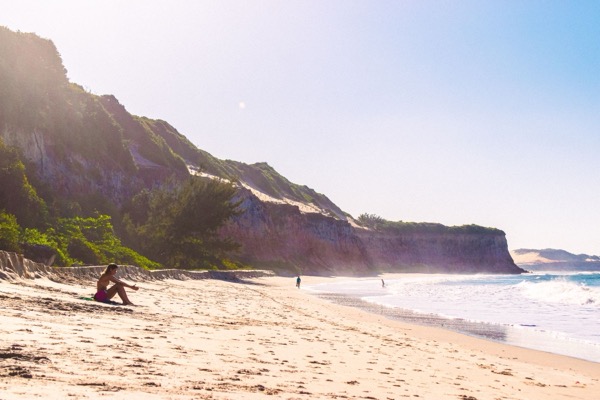 Region
🇧🇷 Northeast Brazil
 City
City🇬🇹 Lake Atitlán
 Country
🇲🇦 Morocco
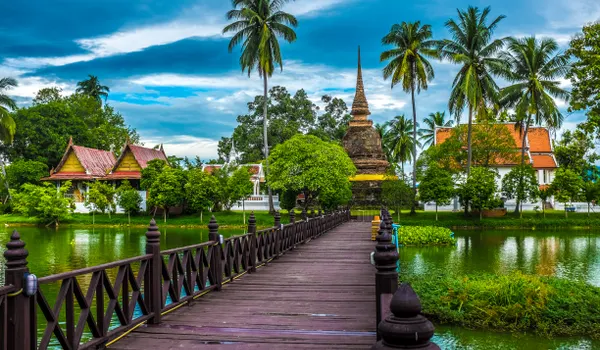 Country
🇹🇭 Thailand
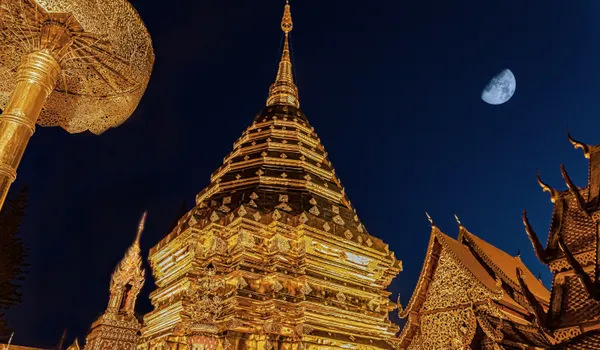 City
City🇹🇭 Chiang Mai
 City
City🇧🇴 La Paz and the Yungas Road
 City
City🇧🇴 Lake Titicaca (Copacabana)
 Country
🇨🇴 Colombia
 Country
🇹🇷 Turkey
 Country