When to go to Vienna?
→ The detailed month-by-month page, with real weather records
Best time: April to June, September to October and December
At a glance
Why go to Vienna?
Austria's capital on the banks of the Danube, Vienna still bears the mark of the Habsburgs everywhere; for more than six centuries they made it the heart of an empire stretching across a large part of Central Europe. From that imperial grandeur the city has inherited a heritage of rare density: Baroque palaces, monumental avenues, Gothic churches and first-rate musical institutions. Its historic centre, encircled by the famous Ring boulevard, is a UNESCO World Heritage Site. You stroll from one royal residence to the next, between the splendour of Schönbrunn and the majesty of the Hofburg.
Vienna is also, and perhaps above all, a capital of music. Mozart, Beethoven, Schubert, Brahms and the Strauss dynasty lived and composed here, and that legacy lives on today in the programmes of the State Opera, the Musikverein and dozens of concert halls. The Viennese coffee house tradition, recognised by UNESCO as intangible cultural heritage, completes the picture: people sit for hours, newspaper in hand, over a slice of cake and a glass of water.
Far from being frozen in its past, Vienna regularly ranks among the most liveable cities in the world. Its remarkably efficient public transport, its parks, markets and districts of contemporary architecture sit comfortably alongside the splendours of old. In a few metro stops, you go from the gilding of the old town to the colourful façades of the Hundertwasserhaus or the buzz of the Naschmarkt. It's this meeting of historic grandeur and easy living that best defines the city.
Map of Vienna: what is where?
The map shows the 5 places covered in this guide, to picture the distances and plan your route.
- Schönbrunn Palace
- Hofburg
- Upper Belvedere
- St Stephen's Cathedral
- Vienna State Opera
How much does a trip to Vienna cost?
Vienna is a Western European capital with a high cost of living, but its excellent transport network and varied offer let you adjust your budget. The prices below are per person per day, excluding international flights and, for the lower bracket, excluding accommodation.
| Style | Per day | What it covers |
|---|---|---|
| Backpacker | €70-110 | A night in a youth hostel or a simple guesthouse, meals at markets, canteens and Naschmarkt stalls, getting around with a day pass, a few museums and standing places at the Opera. |
| Comfort | €150-250 | A room in a boutique hotel in a central district, a mix of traditional restaurants and fine dining, entry to palaces and museums, a seat for a concert or the Opera. |
| Luxury | €350 and up | A suite in a grand hotel in the 1st district, gourmet restaurants, private tours, the best seats at the Opera and the Musikverein, tailor-made excursions to the Wachau Valley. |
Austria is in the eurozone. Bank cards are accepted almost everywhere, but it's still useful to keep a little cash for small shops, some cafés and the markets. Tipping, around 5 to 10 per cent, is customary in restaurants and cafés when the service has been good.
Is Vienna safe?
Vienna is regularly listed among the safest major cities in the world, and you can get around without any particular worry, by day or night. Violent crime is rare, and the main thing to watch out for is pickpocketing in very busy areas: around St Stephen's Cathedral, on crowded public transport, at Christmas markets and in stations. Just keep your belongings close and stay alert in crowds. Public transport is reliable and well lit, and both staff and locals are happy to help. The tap water, from Alpine springs, is excellent and perfectly drinkable, so there's no need to buy bottled water.
What to see and do in Vienna
- Schönbrunn Palace
- the Hofburg and the Ring
- the Belvedere and Klimt
- Vienna's historic coffee houses
- a concert or the Opera
Schönbrunn Palace

Once the summer residence of the imperial court, Schönbrunn Palace ranks among the largest Baroque complexes in Europe, with 1,441 rooms behind a long façade in imperial yellow. You can visit around forty state rooms, including the apartments of Empress Sisi and Emperor Franz Joseph, decorated with gilded stucco and porcelain. Behind the palace stretch formal French gardens, dotted with groves, fountains and a maze. At the top of the hill, the Gloriette offers a celebrated panorama over the palace and the city below. The park is also home to the oldest zoo in the world still in operation, founded in 1752. Book your time slot in advance, as crowds are heavy in high season.
The Hofburg and the Ring

The Habsburgs' winter residence for centuries, the Hofburg is a huge complex of courtyards, wings and squares added reign after reign. Inside are the Imperial Apartments, the museum devoted to Empress Elisabeth, known as Sisi, and the court silver collection. The palace still houses the Spanish Riding School with its famous Lipizzaner horses, as well as the National Library and its Baroque State Hall. All around runs the Ring, the circular boulevard laid out in the 19th century on the site of the old ramparts. Along it stand some of the city's great monuments: the neo-Greek Parliament, the neo-Gothic City Hall, the Opera and the twin museums. A loop of the Ring on foot or by tram is a crash course in imperial architecture.
The Belvedere and Klimt's Kiss

Built in the early 18th century for Prince Eugene of Savoy, the Belvedere consists of two Baroque palaces linked by a terraced garden decorated with pools and statues. The Upper Belvedere now houses an art museum whose centrepiece is The Kiss, Gustav Klimt's most famous painting, covered in gold leaf. You can also admire other works by the artist and a fine collection of Austrian painting, from the Middle Ages to the modern era. The formal French gardens frame a striking view over the city. The Lower Belvedere, for its part, hosts temporary exhibitions in the prince's former apartments. It's a must for anyone interested in Viennese painting around 1900.
Vienna's historic coffee houses

The Viennese coffee house is not just a place to eat and drink but a true institution, listed by UNESCO as intangible cultural heritage. You settle in for a long while, with newspapers clipped to wooden holders, amid velvet banquettes, marble and chandeliers. Café Central, with its vaults and columns, and Café Sacher, famous for its secret cake recipe, are among the most iconic. Try the Sachertorte, a chocolate and apricot cake, or apfelstrudel, a flaky apple pastry served warm. Each café has its own personality and its regulars, writers, artists or chess players. Custom dictates that coffee always comes with a glass of water, and you can linger as long as you like without being hurried out.
The Opera and musical Vienna

Vienna claims the title of world capital of classical music, and the State Opera is its most visible symbol. Opened in 1869 on the Ring, the building offers an opera programme of the very highest level, with performances almost every day during the season. Nearby, the Musikverein and its Golden Hall host the New Year's Concert, broadcast around the world every year. The city honours its great composers, from Mozart to Beethoven and the Strauss dynasty, through museums, houses and concerts. You can watch performances from cheap standing places, a tradition much loved by music lovers. Guided tours of the Opera let you see backstage and the auditorium during the day.
How many days, and which itinerary?
Vienna is best enjoyed over three to four days: two days for the old town, the Hofburg, St Stephen's Cathedral and the great museums of the Ring, a full day for Schönbrunn and its gardens, then a day for the Belvedere, the coffee houses and quirkier districts such as the Prater or the Hundertwasserhaus. Fans of opera, museums or excursions further afield, to the Wachau Valley or Bratislava, will do well to stay longer.
🗺️ Day-by-day itinerary · 📓 Free printable Vienna guide (PDF) · 🌍 All of Austria
2 days (the essentials)
Day 1: the historic heart with St Stephen's Cathedral, the Hofburg and its Imperial Apartments, then a loop of the Ring and a break in a Viennese coffee house. Day 2: morning at Schönbrunn Palace and its gardens, afternoon at the Belvedere for Klimt's Kiss, and an evening at the Opera or a concert.
4 days (in depth)
Follow the two-day programme, then add a day devoted to the museums of the Ring and the MuseumsQuartier, as well as markets such as the Naschmarkt. The fourth day is more free-form: the Prater park and its giant Ferris wheel, the façades of the Hundertwasserhaus, or a day trip to the Wachau Valley.
Getting there and getting around
From Vienna-Schwechat airport, about fifteen kilometres from the centre, you reach the city by regional train, express shuttle or taxi in thirty minutes at most. Vienna has one of the most efficient public transport networks in Europe, combining metro, trams, buses and suburban trains under a single ticketing system. A day or weekly pass quickly pays for itself and lets you travel hassle-free from one end of the city to the other.
The historic centre is easy to explore on foot, as most of the major sights are grouped in a compact area around the cathedral and the Hofburg. The tram that follows the Ring is a pleasant and cheap way to take in the landmark monuments. Vienna is also very bike-friendly, with plenty of cycle lanes and a bike-sharing scheme, handy for reaching outlying districts along the Danube.
Where to stay in Vienna?
The 1st district, which corresponds to the historic heart enclosed by the Ring, offers the most prestigious setting, with grand hotels in former palaces and the main sights right on the doorstep. Comfort and location come at a high price here, but you enjoy an ideal base for doing everything on foot. Travellers looking for characterful addresses will appreciate the history-laden establishments of this central district.
For more moderate prices, neighbouring districts such as Neubau, Leopoldstadt or Landstrasse combine good value, a local feel and quick metro links. You'll find boutique hotels, guesthouses and apartments, often just a few minutes from the centre. Booking ahead is strongly recommended during major events, the Christmas markets and the festive season, when the city quickly fills up.
Our places to stay, stop by stop, at three budgets →
What to eat in Vienna?
Viennese cooking rests on a few great classics found in traditional restaurants and neighbourhood inns. The breaded escalope, the famous Wiener Schnitzel, Tafelspitz (boiled beef served with its sauces) and goulash are among the essentials, often generously portioned. On the sweet side, Sachertorte, apfelstrudel and Kaiserschmarrn, a sweet pancake torn into pieces, rule the roost, best enjoyed in a coffee house.
The Naschmarkt, the big open-air market in the city centre, offers a foodie overview of the city, with stalls of fresh produce, spices, specialities from around the world and lively little restaurants. Those who love a convivial atmosphere will head for the Heuriger, the taverns of the wine-growing suburbs where you drink the new wine with cold meats. Vienna also has a dynamic dining scene and a wide variety of international cuisines, reflecting its past as a crossroads of Central Europe.
Entry requirements
Schengen area: an ID card or passport for EU citizens, 90 days visa-free for UK, US, Canadian and Australian passports.
Rules change: check your own government's travel advice before you go.
Frequently asked questions about Vienna
When is the best time to visit Vienna?
Spring (April to June) and early autumn (September to October) offer a mild climate and reasonable crowds. Winter has its own charm thanks to the Christmas markets and the music season, while summer can be hot and very busy.
How many days do you need to visit Vienna?
Three to four days let you discover the old town, the Hofburg, Schönbrunn Palace and the Belvedere, and enjoy the coffee houses and the Opera. A longer stay is worthwhile to explore the museums in depth or venture into the surrounding area.
Should I book tickets in advance?
Yes, for the most popular sights such as Schönbrunn or the Belvedere, booking a time slot online saves long queues, especially in high season. For the Opera, you can also try for standing places, sold cheaply on the day.
How do I get around the city?
The historic centre is easy to explore on foot, and the metro, tram and bus network efficiently serves the rest of the city. A day or weekly pass is the cheapest way to travel without counting.
Can you go to a concert without breaking the bank?
Yes, the State Opera offers very cheap standing places on the evening itself, and many churches and halls put on affordable concerts. The city celebrates its musical tradition at every budget level.
Similar destinations
 Region
🇫🇷 The Loire Valley
 City
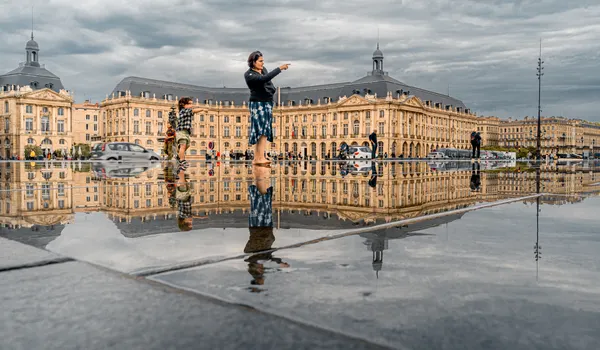
City🇫🇷 Bordeaux and Around
 Country
🇪🇸 Spain
 City
City🇪🇸 Barcelona
 Region
🇮🇹 The Amalfi Coast
 City
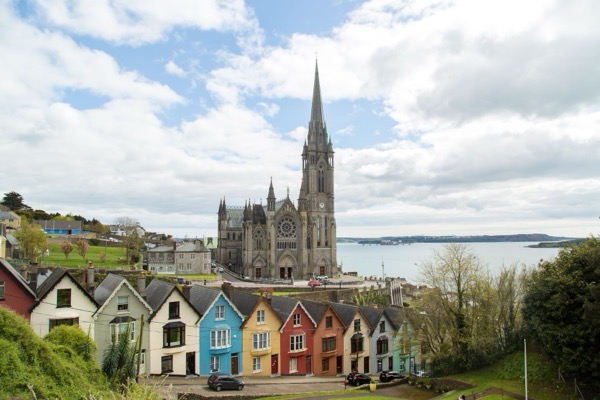
City🇮🇪 Cork
 City
City🇬🇧 Belfast
 City
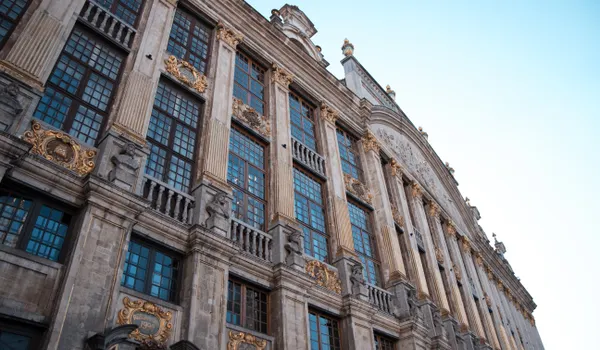
City🇧🇪 Brussels
 Region
🇮🇹 Puglia
 Region