When to go to the Algarve?
→ The detailed month-by-month page, with real weather records
Best time: May to June and September to October
At a glance
Why go to the Algarve?
The Algarve is Portugal's most beautiful stretch of coast, a sun-drenched ribbon of golden shoreline. Its ochre cliffs plunging into a turquoise ocean, its sea caves and secret coves create spectacular scenery. With more than three hundred days of sunshine a year, the region wins over beach and nature lovers alike. This is southern Portugal in all its luminous splendour.
Beyond its dream beaches, the Algarve offers a surprising variety of landscapes and experiences. Hilltop white villages, salt pans, nature reserves and rolling hinterland complete the seaside postcard. You can surf on the wild west coast or swim peacefully in sheltered coves. The easy-going way of life is palpable at every moment.
Finally, the Algarve combines an ideal climate, seafood cooking and prices that are still reasonable. The fishing ports serve fish and seafood of incomparable freshness, at rates far gentler than elsewhere in Europe. The region suits family holidays just as well as trips with friends or romantic getaways. Its easy access makes it a safe bet for a Mediterranean-style holiday.
Map of the Algarve: what is where?
The map shows the 6 places covered in this guide, to picture the distances and plan your route.
- Benagil Beach
- Ponta da Piedade, Lagos
- Lagos
- Cape St Vincent, Sagres
- Tavira
- Ria Formosa (Faro)
How much does a trip to the Algarve cost?
The Algarve remains affordable out of season, but prices climb steeply in July and August. Car hire and seafront accommodation weigh most heavily on a summer budget.
| Style | Per day | What it covers |
|---|---|---|
| Backpacker | €45-70/day | hostel, harbour meals, free beaches and public transport |
| Comfort | €100-170/day | hotel or apartment, restaurants, car and a boat trip |
| Premium | €300+/day | resort or sea-view villa, fine dining, private outings and golf |
Cards are accepted everywhere, but keep a little cash for markets and small village restaurants.
Is the Algarve safe?
The Algarve is a very safe region, used to welcoming millions of tourists every year. Crime is low and mostly limited to a few thefts from cars or on crowded beaches. The main thing to watch is the ocean: Atlantic currents and swell can be powerful, and you must respect the bathing flags. On clifftop paths, stay careful near edges that are sometimes unstable. Beyond these precautions, your stay will unfold in a relaxed, friendly atmosphere.
What to see and do in the Algarve
- Benagil cave
- Marinha Beach
- Lagos and its cliffs
- Cape St Vincent
- Tavira and Sagres
Benagil Beach
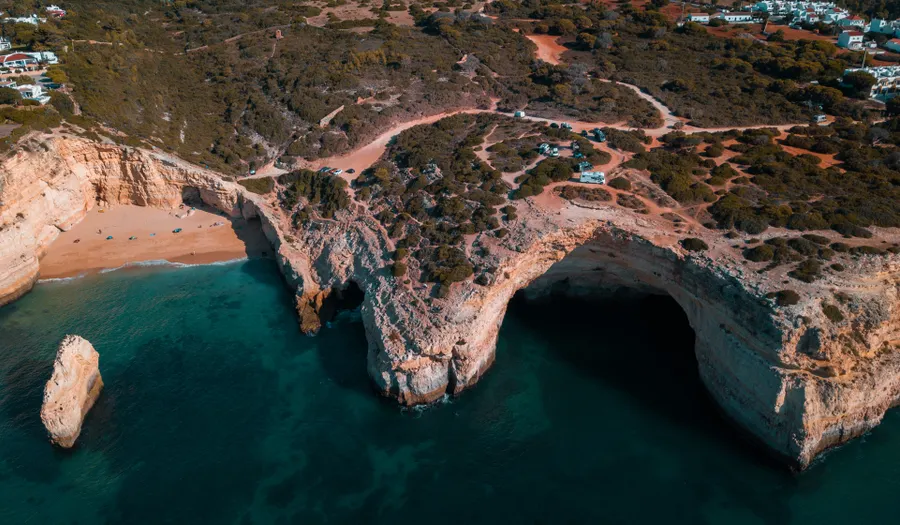
This sea cave has become the Algarve's emblematic image the world over. A vast hollow carved into the ochre cliff opens onto a golden sand beach, bathed in light through an opening in its roof. It can only be reached by sea, by kayak, paddleboard or boat from the neighbouring beach. The sight of light falling onto the sand through the rocky eye is unforgettable.
Ponta da Piedade (Lagos)

This headland near Lagos lines up spectacular cliffs, natural arches and honey-coloured grottoes. A staircase leads down to the water, where you board a boat to cruise past these ocean-sculpted formations. The hidden coves and pillars of golden stone against a turquoise sea are a marvel. Sunset from the lighthouse is one of the finest in the region.
Lagos

This wildly charming historic town was the port of the great Portuguese voyages of discovery. Its ramparts, cobbled lanes and lively squares make it an ideal base. All around, some of the Algarve's finest beaches, such as Dona Ana and Camilo, nestle between the cliffs. Nightlife, the marina and boat trips round off the offer.
Cape St Vincent (Sagres)

In the Middle Ages this wild cape was considered the end of the known world. Its Atlantic-battered cliffs, crowned by a lighthouse, put on a grandiose show, especially at sunset. Close by, the fortress of Sagres recalls the navigation school of Henry the Navigator. The arid, windswept landscapes contrast with the sheltered beaches of the east.
Tavira
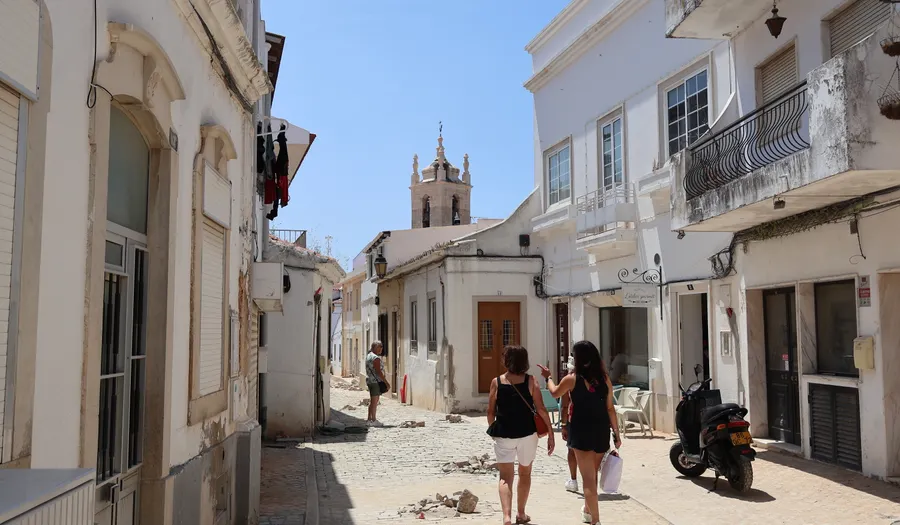
This elegant town in the eastern Algarve has kept its authenticity, far from the crowds. Its Roman bridge, churches and distinctive tiled roofs give it a unique character. The Gilão river flows peacefully through it, lined with gardens and terraces. A boat takes you to Tavira Island and its vast unspoilt sandy beaches in the Ria Formosa Natural Park.
Ria Formosa

This natural park protects a vast system of lagoons, islands and marshes stretching along the east coast. A refuge for exceptional wildlife, notably many birds such as flamingos, it is best explored by boat or kayak. Its barrier islands shelter some of the most peaceful wild beaches in the country. It makes a striking contrast with the spectacular cliffs of the west.
How many days, and which itinerary?
Allow 5 to 7 days to explore the beaches, the villages and both faces of the Algarve coast.
🗺️ Day-by-day itinerary · 📓 Free printable Algarve guide (PDF) · 🌍 All of Portugal
Cliffs of the Algarve (4 days)
A stay focused on the western and central coast around Lagos: Benagil cave, Ponta da Piedade, the finest beaches and boat trips along the cliffs.
Tour of the Algarve (7 days)
From Sagres to Tavira, you take in both faces of the region: the wild cliffs of the west, the historic towns of the centre and the peaceful lagoons of the Ria Formosa in the east.
Natural and authentic Algarve (10 days)
The long version blends beaches, white villages of the hinterland such as Silves, hikes on the wild Vicentine Coast and lazy days in secret coves.
Getting there and getting around
A hire car is strongly recommended to reach isolated coves and villages freely.
A regional train links Lagos with Faro and Tavira along the coast, cheap but slow.
Faro Airport, well served from across Europe, is the region's main gateway.
Boat trips are essential to reach Benagil cave and the sea grottoes.
Where to stay in the Algarve?
Hostels and guesthouses in Lagos or Faro: €25-50 a night in a dorm or small room.
Seafront hotels and apartments: €80-140 a night depending on the season.
Boutique hotels and family resorts with a pool: €150-250 a night in high season.
Luxury resorts and villas with ocean views: from €300 a night in summer.
Our places to stay, stop by stop, at three budgets →
What to eat in the Algarve?
Seafood cataplana, simmered in its traditional copper pan, the region's signature dish.
Sardines and the catch of the day, grilled and served simply in harbour restaurants.
Clams à Bulhão Pato, cooked with garlic, coriander and white wine.
Almond and fig sweets, a legacy of the Arab presence in southern Portugal.
Entry requirements
Schengen area: an ID card or passport for EU citizens, 90 days visa-free for UK, US, Canadian and Australian passports.
Rules change: check your own government's travel advice before you go.
Frequently asked questions about the Algarve
When is the best time to visit the Algarve?
May, June and September offer the best balance of sunshine, warm sea and moderate crowds. July and August are glorious but packed and expensive, while the rest of the year stays mild and peaceful.
How many days do you need in the Algarve?
Five to seven days let you explore the beaches, villages and both sides of the coast. Four days are enough for a focused stay around Lagos and the finest cliffs.
What daily budget should you plan for the Algarve?
Around €45-70 a day as a backpacker, €100-170 in comfort with a car and restaurants, and over €300 for a premium stay in a resort or sea-view villa.
How do you get around the Algarve?
A hire car is strongly recommended to reach isolated coves and villages. A regional train links the main towns along the coast, and boat trips are essential for the caves.
Which town should you stay in in the Algarve?
Lagos is the best base for the west coast and the cliffs, Albufeira for nightlife, Faro for convenience, and Tavira for a more authentic, peaceful stay in the east.
Similar destinations
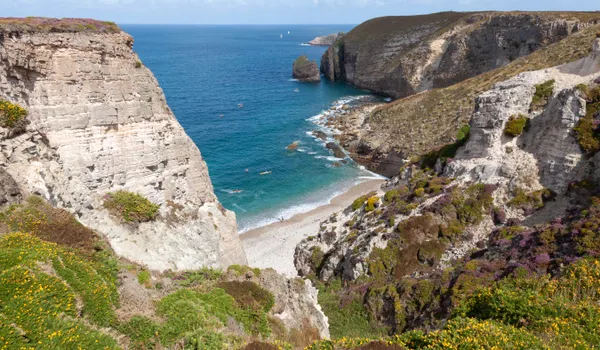 Region
🇫🇷 Brittany
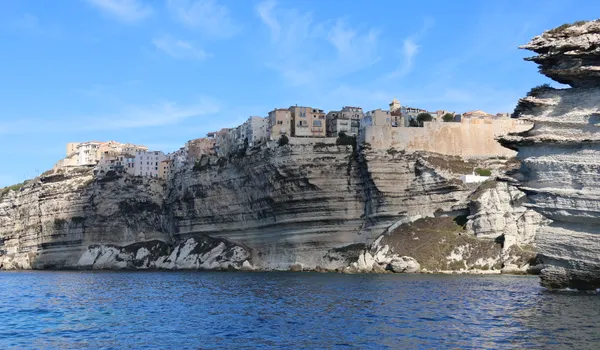 Region
🇫🇷 Corsica
 Region
🇫🇷 The French Basque Country
 Region
🇪🇸 The Canary Islands
 Region
🇮🇹 Sardinia
 Region
🇵🇹 Madeira
 Region
🇬🇷 Crete
 Country
🇭🇷 Croatia
 City
City🇮🇪 Donegal
 City
City