When to go to Prague, Vienna and Budapest?
→ The detailed month-by-month page, with real weather records
Best time: May to September and December (Christmas markets)
At a glance
Why go to Prague, Vienna and Budapest?
Central Europe means three imperial capitals less than five hours apart by train, linked by the Danube and a shared history, that of the Habsburgs. Baroque Prague, opulent Vienna and spa-loving Budapest form a magical triangle in which each city has its own sharply defined personality. You move from medieval bridges to Viennese cafés, then on to steaming baths, without ever getting back on a plane.
It is one of the easiest regions on the continent to travel around, with fast, comfortable trains linking the big cities in half a day. Distances are short, the historic centres are made for walking, and combining several countries in a single trip takes no effort at all. Ideal for a first European road trip or a richly cultural getaway.
Beyond the capitals, the region is full of treasures: Cesky Krumlov and its red roofs, Salzburg and Mozart, Bratislava and its little-known old town. Prices stay gentle once you leave Vienna, the food is hearty and the density of Unesco-listed heritage is among the highest in Europe. A concentrate of the best of the Old Continent.
Map of Prague, Vienna and Budapest: what is where?
The map shows the 6 places covered in this guide, to picture the distances and plan your route.
- Prague
- Vienna
- Budapest
- Cesky Krumlov
- Salzburg
- Bratislava
How much does a trip to Prague, Vienna and Budapest cost?
Central Europe offers excellent value for money, with prices that climb in Vienna but stay gentle in Prague, Budapest and Bratislava. Combining several countries costs hardly more than a single capital.
| Style | Per day | What it covers |
|---|---|---|
| Backpacker | €45-65/day | Dorm, tavern meals, second-class trains and public transport. |
| Comfort | €90-140/day | Double room in a guesthouse, restaurants, a few paid sights and museums. |
| Premium | €180+/day | Boutique hotel, fine dining, the opera in Vienna and private excursions. |
Vienna and Bratislava use the euro; Prague keeps the Czech koruna and Budapest the forint, best withdrawn from bank ATMs rather than at bureaux de change.
Is Prague, Vienna and Budapest safe?
Central Europe is one of the safest regions on the continent, and you can get around without worry day and night. The main nuisance remains pickpockets in the tourist areas of Prague, Vienna and Budapest, especially on crowded public transport and the famous bridges. Beware of unofficial taxis and city-centre bureaux de change with extortionate rates, and agree on taxi fares in advance. Beyond these minor annoyances, no particular precautions are needed.
What to see and do in Prague, Vienna and Budapest
- Charles Bridge in Prague
- Schönbrunn Palace in Vienna
- the thermal baths of Budapest
- the Christmas markets
- the train between the capitals
Prague
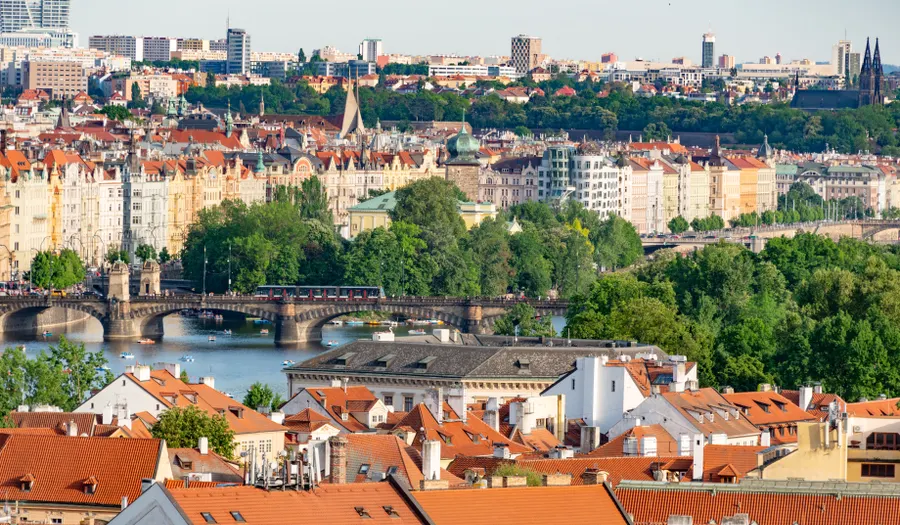
The Czech capital boasts one of the finest baroque and Gothic ensembles in Europe, spared by the wars. From Charles Bridge to the astronomical clock, from the hilltop castle to the lanes of Mala Strana, everything can be covered on foot. Climb up to the castle at sunrise to take in the whole city at a glance. The vaulted taverns of Zizkov pour the best beer in the world for a handful of euros.
Vienna

The Austrian capital cultivates an imperial art of living, between Schönbrunn Palace, St Stephen's Cathedral and its century-old Viennese cafés. You savour a Sachertorte to the sound of Strauss waltzes and visit world-class museums. The city is regularly ranked among the most liveable on the planet. Elegance and refinement on every street corner.
Budapest
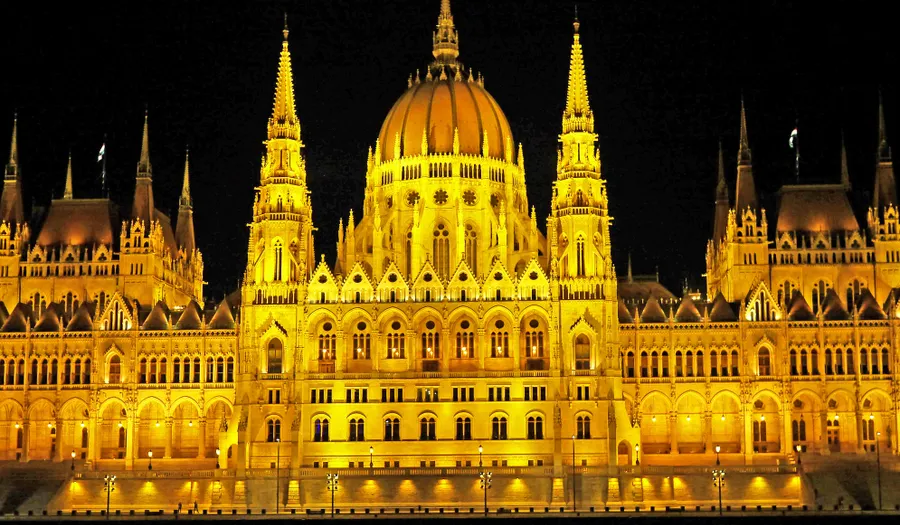
Split in two by the Danube, Budapest weds hilly Buda to lively Pest under the gaze of its neo-Gothic Parliament. The Szechenyi thermal baths, with their steaming outdoor pools, are an institution. At night, the ruin bars of the Jewish Quarter offer nightlife unlike anywhere else in Europe. It is the most affordable and the most laid-back of the three capitals.
Cesky Krumlov
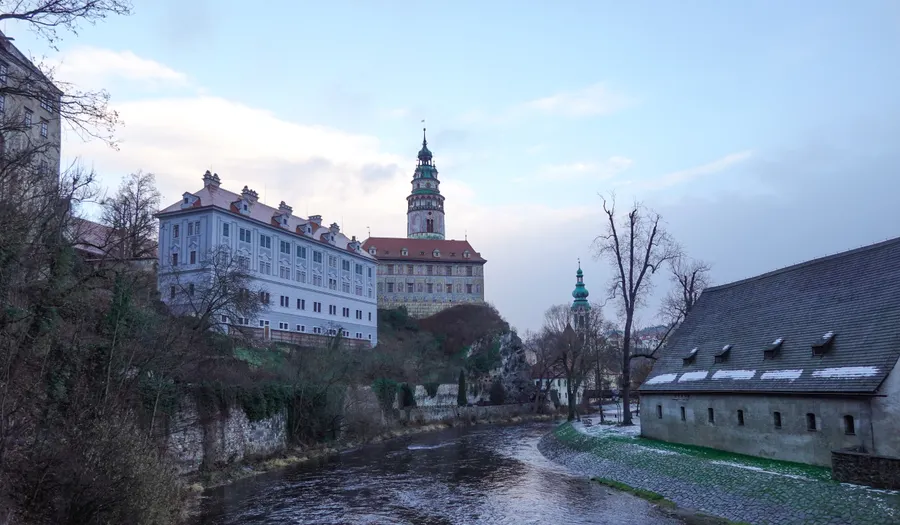
Coiled in a bend of the Vltava, this medieval town between Prague and Austria looks like a fairy-tale set. Its castle, the second largest in the country, towers over a tangle of red roofs and cobbled lanes. Come early in the morning or stay the night to enjoy the town once the coaches have left. An enchanting, Unesco-listed stop.
Salzburg

Mozart's birthplace and the setting of The Sound of Music, Salzburg nestles its baroque spires at the foot of a mighty fortress. The Mirabell Gardens, the listed old town and the surrounding mountains make a perfect picture. Between two concerts you sample the famous Mozartkugel. An ideal musical and Alpine stopover on the way to Vienna.
Bratislava
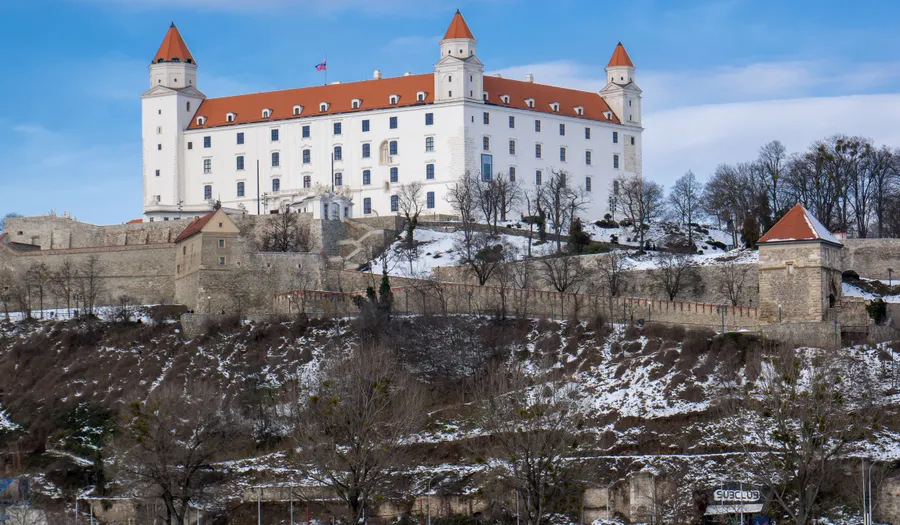
Often overlooked, the Slovak capital surprises with its compact, colourful old town, an hour from Vienna. Its white castle overlooks the Danube, and its pedestrian lanes teem with playful statues and café terraces. Prices are the gentlest in the region and the mood is relaxed. A perfect stop to complete the triangle of capitals.
How many days, and which itinerary?
Allow 8 to 12 days to link Prague, Vienna and Budapest by train, with a few stops such as Cesky Krumlov or Salzburg.
🗺️ Day-by-day itinerary · 📓 Free printable Prague, Vienna and Budapest guide (PDF)
The three capitals (8 days)
Three days in Prague, a hop to Cesky Krumlov, then Vienna and finally Budapest, all by train. A smooth run through the imperial must-sees, without ever getting back on a plane.
Grand imperial tour (12 days)
To the three capitals add Salzburg on the way to Vienna and Bratislava as a day trip. You alternate big cities, medieval towns and Danube landscapes. The most complete itinerary in the region.
Prague-Vienna getaway (6 days)
Three days in each capital, linked by a direct four-hour train, with an optional stop in Cesky Krumlov. Perfect for a first, concentrated taste of Central Europe.
Getting there and getting around
Fast RegioJet and ÖBB trains link Prague, Vienna, Budapest and Bratislava in a few hours, comfortable and cheap.
FlixBus and RegioJet long-distance coaches also serve the big cities at low prices, with wifi on board.
In each capital, trams and metro form dense, reliable networks, with day tickets available.
A car is only useful to explore the South Bohemian countryside or the Austrian lakes; otherwise the train is enough.
Where to stay in Prague, Vienna and Budapest?
Design hostels in all three capitals, from €15 to €25 a night in a dorm.
Guesthouses and small city-centre hotels between €50 and €90 for a double room, cheaper in Budapest and Bratislava.
Boutique hotels in the historic quarters from €90 to €150 a night.
Grand hotels and imperial boutique hotels in Vienna and Prague from €180.
Our places to stay, stop by stop, at three budgets →
What to eat in Prague, Vienna and Budapest?
Hungarian goulash, Czech svickova and Austrian Wiener Schnitzel: three hearty, slow-cooked dishes not to be missed.
Apple strudel and Sachertorte are best enjoyed in Vienna's historic cafés.
Prague's trdelnik, a rolled and grilled pastry, is nibbled warm in the street.
Czech beers Pilsner Urquell and Budvar, plus Austrian and Hungarian white wines, accompany every meal.
Entry requirements
Schengen area: an ID card or passport for EU citizens, 90 days visa-free for UK, US, Canadian and Australian passports.
Rules change: check your own government's travel advice before you go.
Frequently asked questions about Prague, Vienna and Budapest
When is the best time to visit?
From May to September for mild weather and café terraces, with peak crowds in July and August. December is worth the trip for Christmas markets that rank among the most beautiful in Europe, despite the cold.
What daily budget should I plan?
Allow about €45 to €65 a day travelling on a shoestring and €90 to €140 for a comfortable trip. Vienna is noticeably more expensive than Prague, Budapest or Bratislava.
How do I get between the capitals?
The train is ideal: Prague-Vienna, Vienna-Budapest or Vienna-Bratislava take just a few hours in comfortable carriages. Book online in advance for the best fares.
Do they use the euro everywhere?
No, only Austria and Slovakia use the euro. Bring Czech koruna for Prague and forints for Budapest, or pay by card, which is widely accepted.
Similar destinations
 Country
🇫🇷 France
 Region
🇫🇷 Normandy
 Region
🇫🇷 Alsace
 Region
🇫🇷 The Loire Valley
 City
City🇫🇷 Paris
 City
City🇫🇷 Lyon
 City
City🇪🇸 Seville
 Country
🇮🇹 Italy
 City
City🇮🇹 Rome
 Region